Introduction
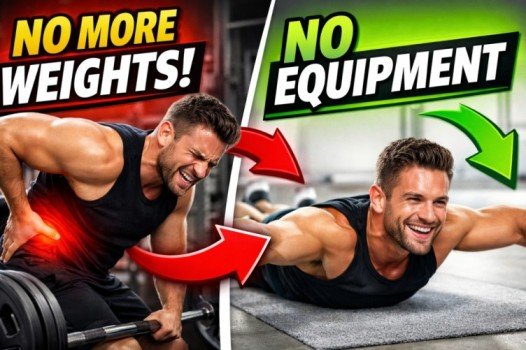
Want to build a strong and toned upper body without going to the gym? A well-planned upper body workout at home can deliver excellent results using just your body weight. Whether you are a beginner or looking to improve strength, this routine is simple, effective, and easy to follow.
This guide will help you train your chest, shoulders, arms, and back from the comfort of your home.
Read our full body workout guide for women complete training
Table of Contents
Benefits of Upper Body Workout at Home
Training your upper body at home has many advantages:
- Saves time and money
- No equipment required
- Improves strength and posture
- Helps in fat loss and muscle toning
- Suitable for all fitness levels
Consistency is the key. Even 20–30 minutes daily can show noticeable results.
Best Upper Body Workout at Home
Here is a complete routine you can follow:
1. Push-Ups
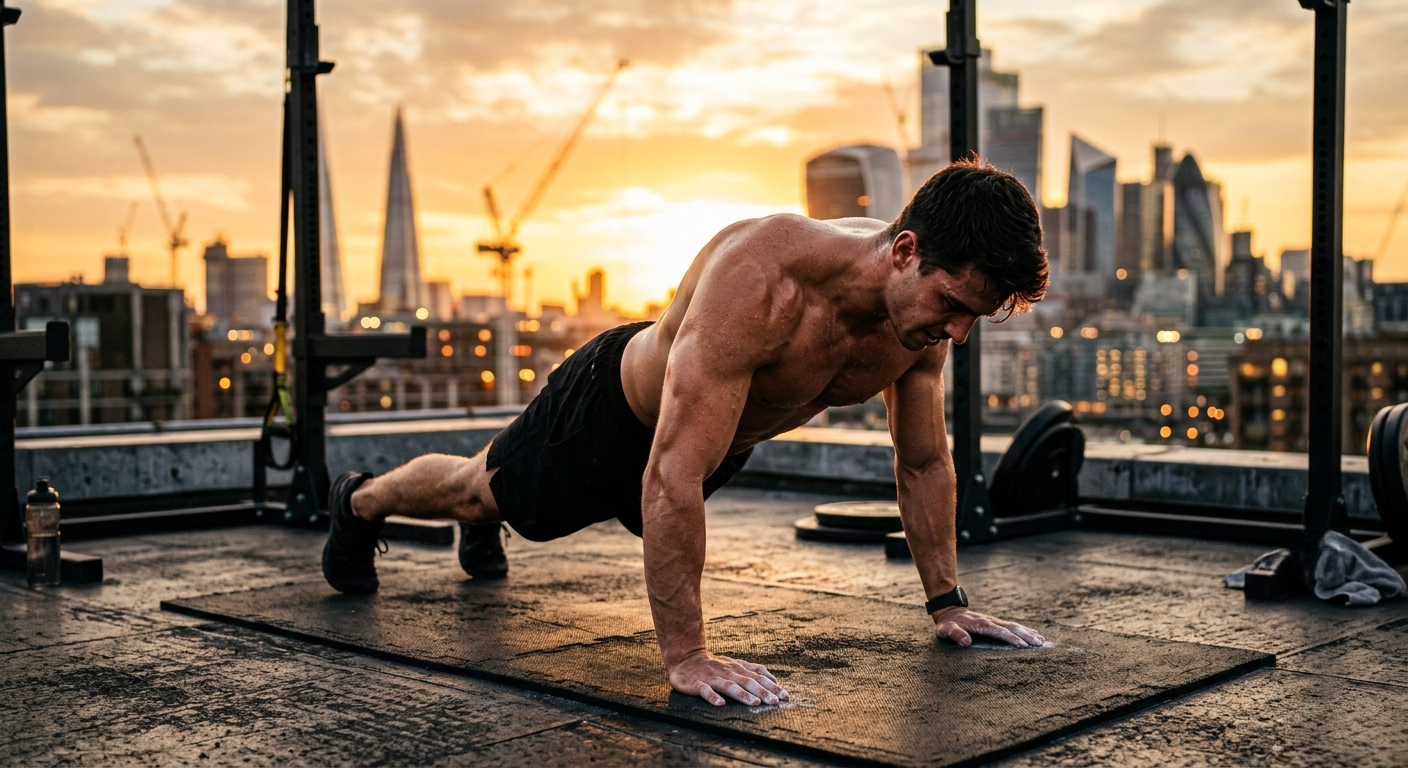
The Push-Ups are one of the most effective and classic bodyweight exercises for building upper body strength. They target your chest, shoulders, triceps, and core, making them a key movement in any upper body workout at home routine.
How to Do Push-Ups
- Start in a high plank position
- Place your hands slightly wider than shoulder-width apart
- Keep your body in a straight line from head to heels
- Engage your core and glutes
- Slowly lower your chest toward the floor
- Push back up to the starting position
- Repeat with controlled movement
Reps / Sets
- Perform 10–15 reps per set
- Do 2–3 sets
- Rest 30–60 seconds between sets
Benefits of Push-Ups
- Builds strong chest and arm muscles
- Strengthens shoulders and triceps
- Improves core stability and posture
- Increases overall upper body strength
- No equipment required, perfect for home workouts
Tips for Best Results
- Keep your body straight throughout the movement
- Avoid letting your hips sag
- Lower yourself slowly for maximum muscle engagement
- Keep elbows at a natural angle (not too wide)
- Breathe in while lowering, exhale while pushing up
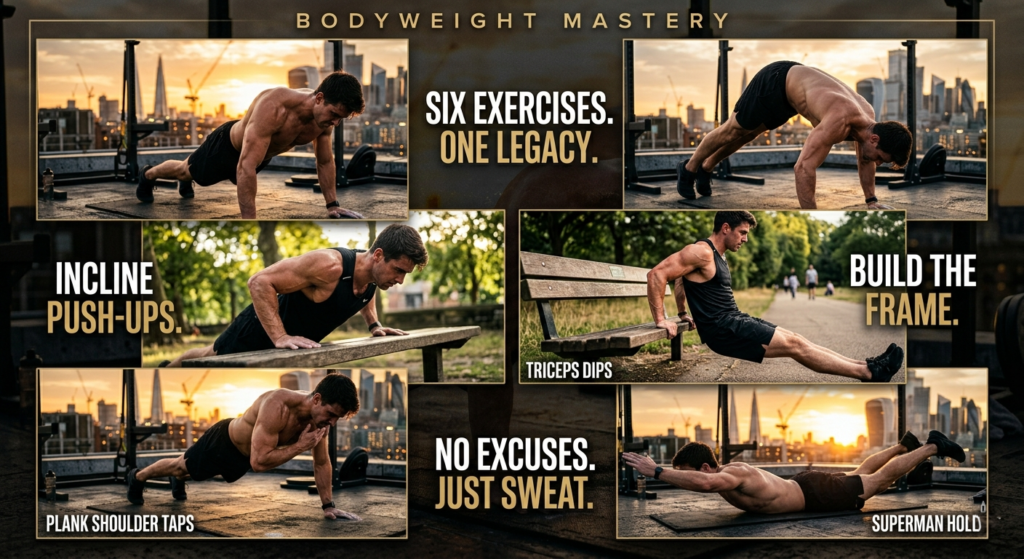
2. Incline Push-Ups
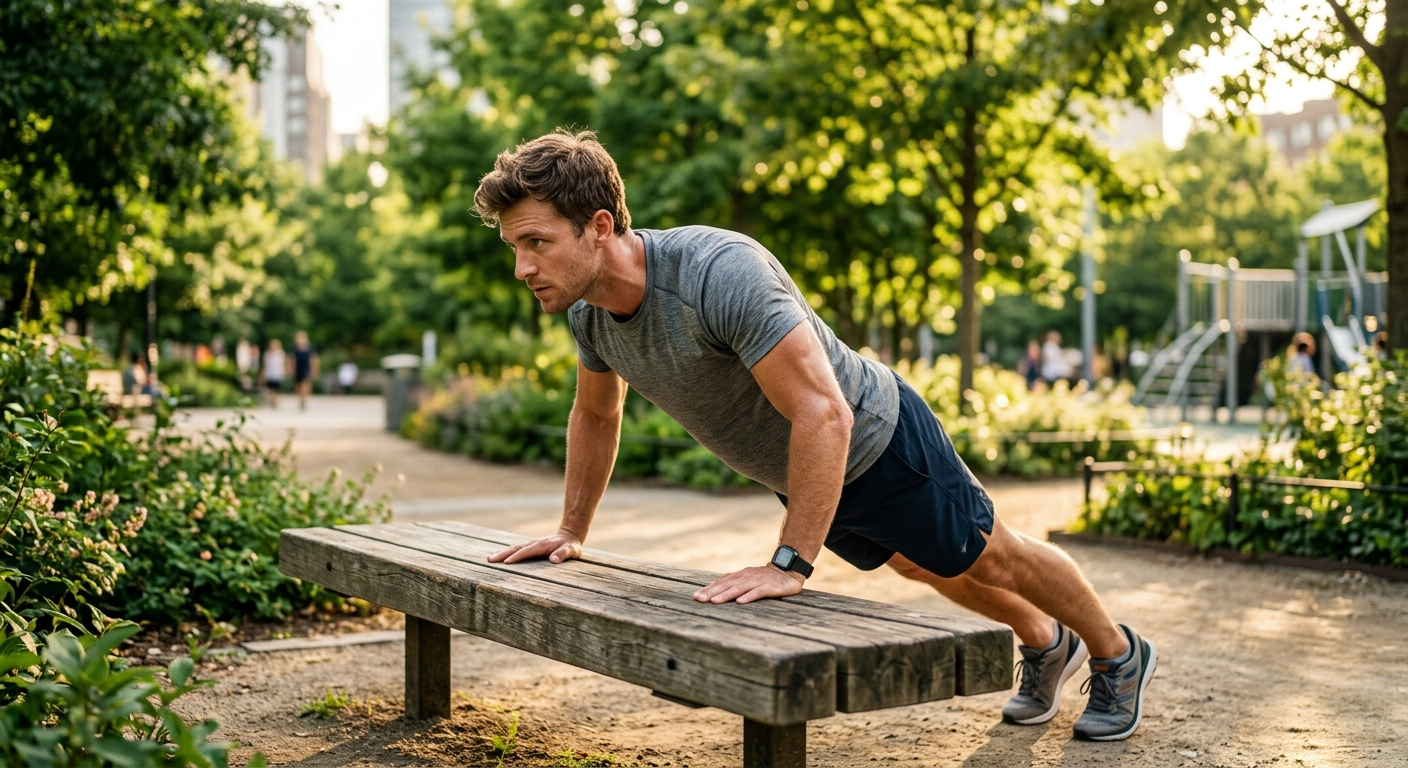
The Incline Push-Ups are a beginner-friendly variation of traditional push-ups that effectively target your chest, shoulders, and triceps. They are perfect for a safe and controlled start in an upper body workout at home, especially if you are new to strength training.
How to Do Incline Push-Ups
- Find a stable surface like a chair, table, or bench
- Place your hands shoulder-width apart on the surface
- Step your feet back until your body forms a straight line
- Keep your core tight and back straight
- Slowly lower your chest toward the surface
- Push yourself back to the starting position
- Repeat with controlled movement
Reps / Sets
- Perform 10–12 reps per set
- Do 2–3 sets
- Rest 30–60 seconds between sets
Benefits of Incline Push-Ups
- Builds foundational upper body strength
- Reduces pressure on wrists and shoulders
- Improves form for standard push-ups
- Strengthens chest, triceps, and shoulders
- Perfect for beginners in home workouts
Tips for Best Results
- Keep your body in a straight line
- Do not let your hips sag or rise too high
- Move slowly for better muscle activation
- Use a stable and non-slippery surface
- Focus on controlled breathing throughout
3. Pike Push-Ups
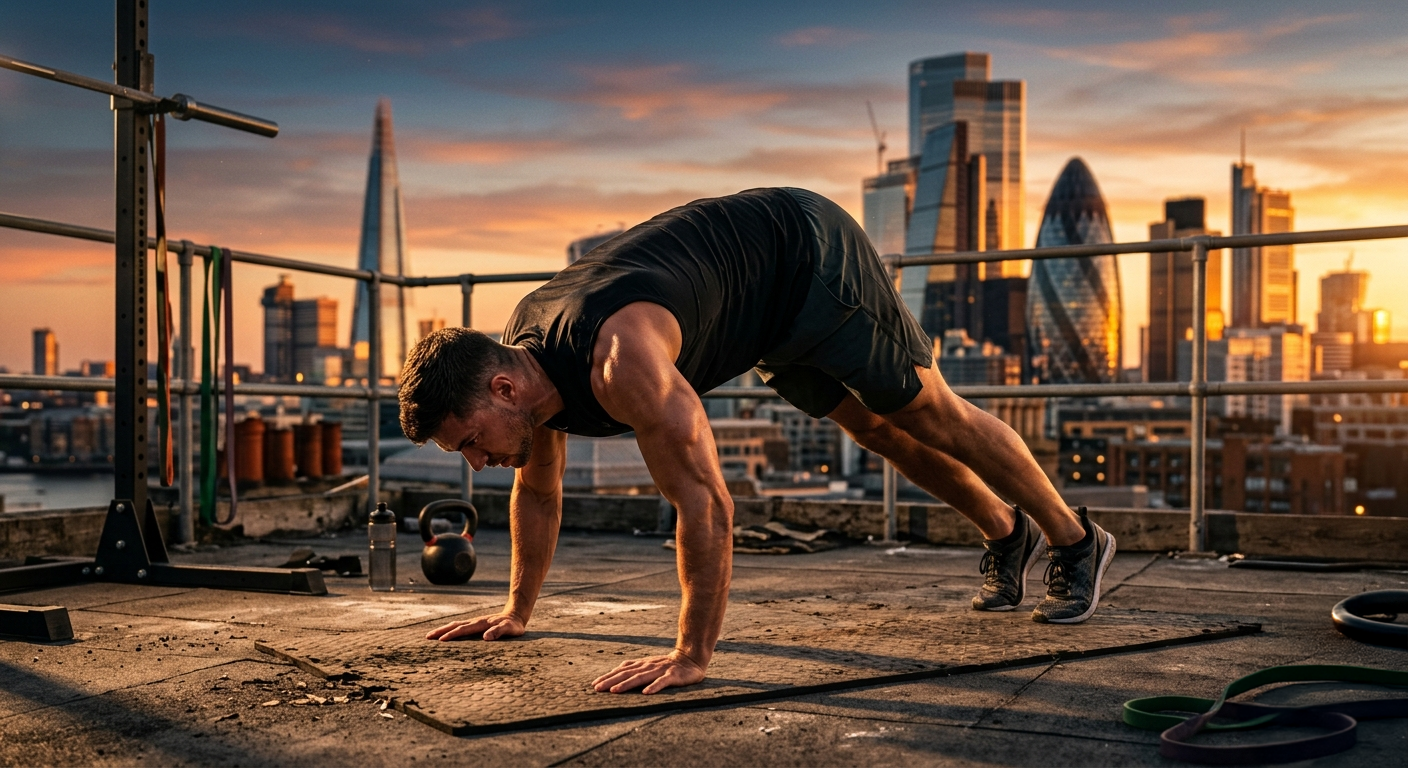
The Pike Push-Ups are a highly effective bodyweight exercise that mainly targets your shoulders, upper chest, and triceps. It is one of the best movements to include in an upper body workout at home because it builds shoulder strength without any equipment.
How to Do Pike Push-Ups
- Start in a push-up position
- Walk your feet closer to your hands
- Lift your hips up to form an inverted “V” shape
- Keep your legs and arms straight
- Slowly bend your elbows and lower your head toward the floor
- Push back up to the starting position
- Repeat with controlled movement
Reps / Sets
- Perform 8–12 reps per set
- Do 2–3 sets
- Rest 30–60 seconds between sets
Benefits of Pike Push-Ups
- Builds strong and defined shoulders
- Improves upper body pushing strength
- Activates triceps and upper chest
- Helps prepare for advanced moves like handstands
- Enhances overall upper body workout performance at home
Tips for Best Results
- Keep your core tight throughout the movement
- Do not rush—control is more important than speed
- Keep elbows slightly angled, not flared out
- Focus on lowering your head vertically
- Maintain proper hip elevation in the “V” position
4. Triceps Dips
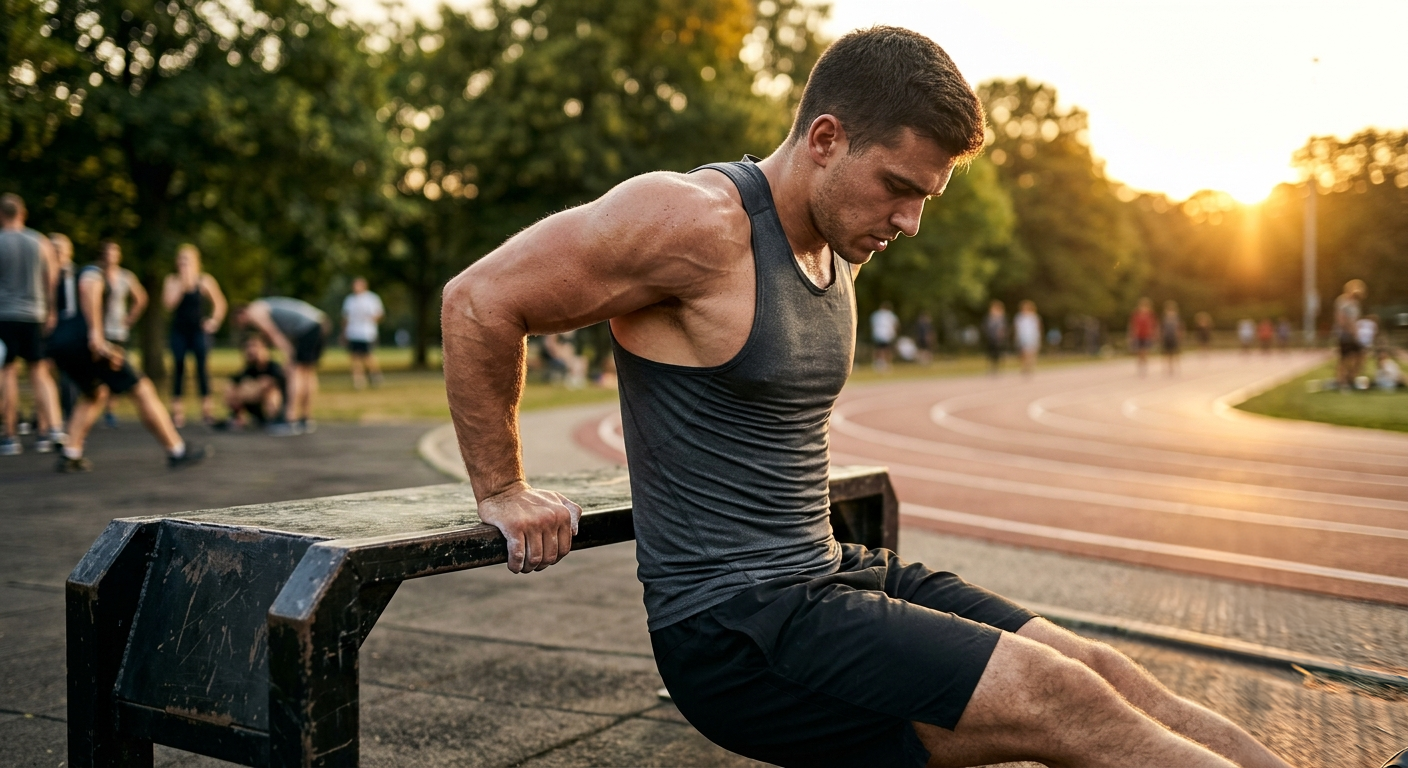
The Triceps Dips exercise is a powerful bodyweight movement that targets your triceps, shoulders, and chest. It is one of the best exercises to build arm strength and tone the upper body in a simple upper body workout at home routine.
How to Do Triceps Dips
- Sit on the edge of a sturdy chair or bench
- Place your hands beside your hips, fingers facing forward
- Move your body slightly off the seat
- Slowly lower your body by bending your elbows
- Stop when your elbows reach about 90 degrees
- Push yourself back up to the starting position
- Repeat the movement with control
Reps / Sets
- Perform 10–15 reps per set
- Do 2–3 sets
- Rest 30–60 seconds between sets
Benefits of Triceps Dips
- Strengthens and tones triceps muscles
- Improves upper body pushing strength
- Enhances shoulder stability
- Helps build arm definition
- Supports overall upper body workout performance
Tips for Best Results
- Keep your back close to the bench or chair
- Avoid locking your elbows at the top
- Move slowly for better muscle activation
- Keep shoulders relaxed, not shrugged
- Use a stable surface to avoid injury
5. Plank Shoulder Taps
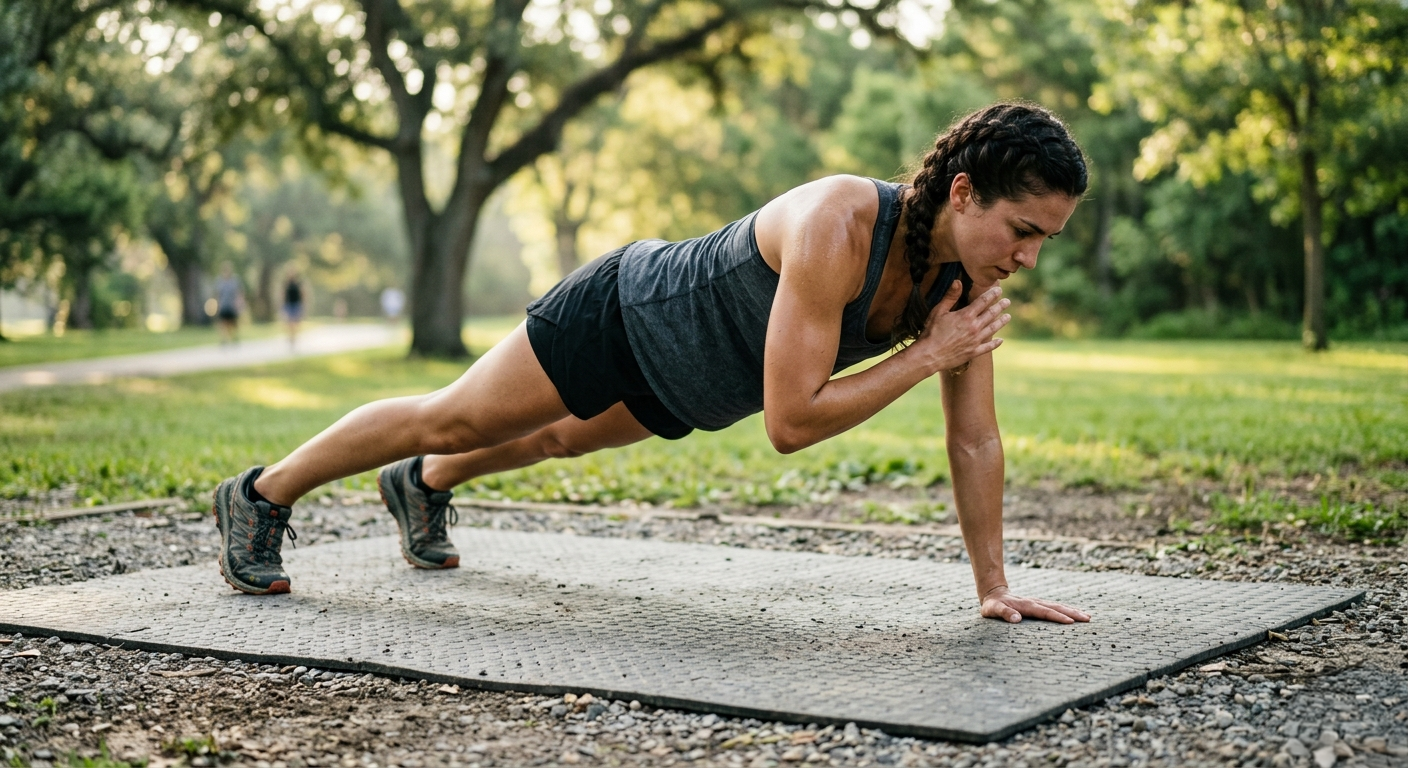
The Plank Shoulder Taps exercise is a highly effective bodyweight movement that strengthens your core, shoulders, arms, and stability muscles. It is a great addition to any upper body workout at home because it improves balance and control without any equipment.
How to Do Plank Shoulder Taps
- Start in a high plank position (hands under shoulders)
- Keep your body straight from head to heels
- Engage your core tightly
- Lift your right hand and tap your left shoulder
- Return your hand to the ground
- Repeat with the left hand tapping the right shoulder
- Continue alternating sides
Reps / Duration
- Perform 20–30 total taps
- Or do 30–45 seconds per set
- Repeat 2–3 sets
Benefits of Plank Shoulder Taps
- Builds strong core stability
- Improves shoulder strength and endurance
- Enhances balance and coordination
- Activates multiple muscle groups at once
- Helps improve posture and body control
Tips for Best Results
- Keep hips stable (avoid rocking side to side)
- Move slowly and with control
- Keep your core tight throughout the movement
- Don’t rush the taps—quality matters more than speed
6. Superman Hold
The Superman Hold is a simple but powerful bodyweight exercise that strengthens your lower back, shoulders, glutes, and core. It improves posture and helps balance your upper body workout routine at home.

How to Do Superman Hold
- Lie flat on your stomach on a mat
- Extend your arms forward and legs straight back
- Engage your core and glutes
- Lift your arms, chest, and legs off the ground at the same time
- Hold this position steadily
- Slowly return to the starting position
Duration / Reps
- Hold for 20–30 seconds
- Repeat 2–3 sets
Benefits of Superman Hold
- Strengthens lower back muscles
- Improves posture and spinal stability
- Enhances core strength
- Reduces risk of back pain
- Supports better performance in other upper body exercises
Tips for Better Form
- Keep your neck neutral (don’t strain upward)
- Avoid swinging legs or arms
- Focus on controlled movement
- Breathe steadily throughout the hold
10-Minute Upper Body Workout at Home Plan
If you’re short on time, try this:
- Push-ups – 15 reps
- Pike push-ups – 10 reps
- Triceps dips – 12 reps
- Plank shoulder taps – 20 reps
Repeat 2–3 rounds.
Tips for Better Results
- Maintain proper form to avoid injury
- Increase reps gradually
- Stay consistent with your routine
- Combine with a balanced diet
- Drink enough water
Small improvements every day lead to big results.
Who Can Do This Upper Body Workout at Home?
This upper body workout at home is suitable for:
- Beginners
- Students
- Busy professionals
- Anyone who prefers home workouts
You can modify exercises based on your fitness level.
Check our 10-minute home workout for quick fitness routines
About the Author
I’m Saad, a fitness enthusiast and student who believes that getting in shape doesn’t require a gym or complicated routines. I focus on creating simple, effective home workouts that anyone can follow, especially beginners who want real results without feeling overwhelmed.
Through my content, I share practical exercises, easy-to-understand guidance, and proven strategies that help you stay consistent and build strength over time. My goal is to make fitness a natural part of your daily life, so you can train smarter, stay motivated, and achieve your goals right from home.
Conclusion
Building a strong upper body does not require a gym membership or expensive equipment. With the right approach, consistency, and a simple upper body workout at home, you can achieve real strength, better posture, and visible muscle tone. The key is to stay committed, focus on proper form, and gradually challenge yourself as you improve.
Start small, stay consistent, and trust the process. Even a few minutes every day can lead to powerful results over time. Your fitness journey begins at home, and the best time to start is now.
FAQs
Q1: Can I build muscle with a home workout?
Yes, bodyweight exercises can effectively build muscle with consistency and proper progression.
Q2: How many days should I train upper body?
2–3 times per week is ideal for most people.
Q3: Do I need equipment?
No, this routine is designed to be done without equipment.
Q4: How long does it take to see results?
You can start noticing changes in 3–4 weeks with regular training.
Q5: Is an upper body workout at home enough for overall fitness?
Yes, but for complete fitness, you should combine it with lower body and cardio workouts.
Q6: Can beginners do this upper body workout at home?
Absolutely. These exercises are beginner-friendly and can be modified based on your fitness level.
Q7: What should I eat after an upper body workout?
A balanced meal with protein and carbohydrates, such as eggs, chicken, or lentils with rice, helps muscle recovery.
Q8: How can I make this workout more challenging?
You can increase repetitions, add more sets, slow down movements, or try advanced variations of the exercises.