Disclaimer
This article is written for informational and educational purposes only. It does not constitute medical or professional fitness advice. Always consult a qualified healthcare professional or certified personal trainer before beginning any new exercise program, especially if you have any existing injuries, medical conditions, or concerns.
Why Your Glutes Need More Than Squats
Before diving into the exercises, let me save you a few weeks of wasted effort — because I made every mistake in the book when I first started my at home workout to grow glutes.
The first thing I did was 50 squats every single morning. Day after day. For three weeks straight. My quads were sore, my knees were unhappy, and my butt? Completely unchanged.
Here is the thing — squats are a great exercise, but they are not a magic glute-grower on their own. Your glutes are actually made up of three separate muscles: the gluteus maximus, the gluteus medius, and the gluteus minimus. To build a rounder, fuller shape, you need to target all three — not just hammer squats and hope for the best.
The gluteus maximus is the big one. It is responsible for hip extension — pushing your hips forward — and it is what gives your backside its shape and size. The gluteus medius sits on the outer hip and controls stability. The minimus works alongside the medius and helps with hip movements. Together, these three muscles need variety in movement patterns to grow properly.
Once I understood this, everything about my at home workout to grow glutes changed completely.
The Secret Nobody Tells You: Progressive Overload at Home
This was my biggest breakthrough, and most beginner guides gloss over it completely.
Progressive overload means you need to make your workouts progressively harder over time. Without it, your muscles adapt to the same stress, stop feeling challenged, and stop growing. Simple as that.
At the gym, progressive overload is easy — you just add weight to the bar. At home, you have to be more creative. Here is how I did it:
Tempo manipulation: Instead of rushing through glute bridges, I started doing a 3-second lowering phase, a 2-second hold at the top, and a 1-second lift. The difference was immediate. My glutes were burning in ways they never had before.
Single-leg progressions: Once I could do 20 regular glute bridges easily, I switched to single-leg glute bridges. When those got easy, I moved to single-leg hip thrusts off my couch. The unilateral work forced each glute to carry its own weight — literally.
Resistance bands: A €12 set of fabric resistance bands from Amazon changed everything. Wrapping a band just above your knees during bridges, squats, or clamshells adds instant tension without needing a single dumbbell.
Backpack loading: This is a classic hack I picked up from fitness forums. Fill a backpack with books or water bottles and wear it while doing hip thrusts or squats. It sounds silly. It works really well.
Reducing rest time: Taking 45-second breaks between sets instead of 90 seconds is another form of overload — you are doing the same work in less time.
The key is to track everything. I use a simple notes app on my phone. Every single workout, I log how many reps, how many sets, and what variation I used. When a workout starts feeling easy, that is your signal to level up.
The Best At-Home Exercises to Grow Glutes (With Full Instructions)
Here is the actual exercise list that built my glutes without a single gym visit. These are ranked from foundational to more advanced.
1. Glute Bridge (The Foundation)
Target: Gluteus maximus, hamstrings, core
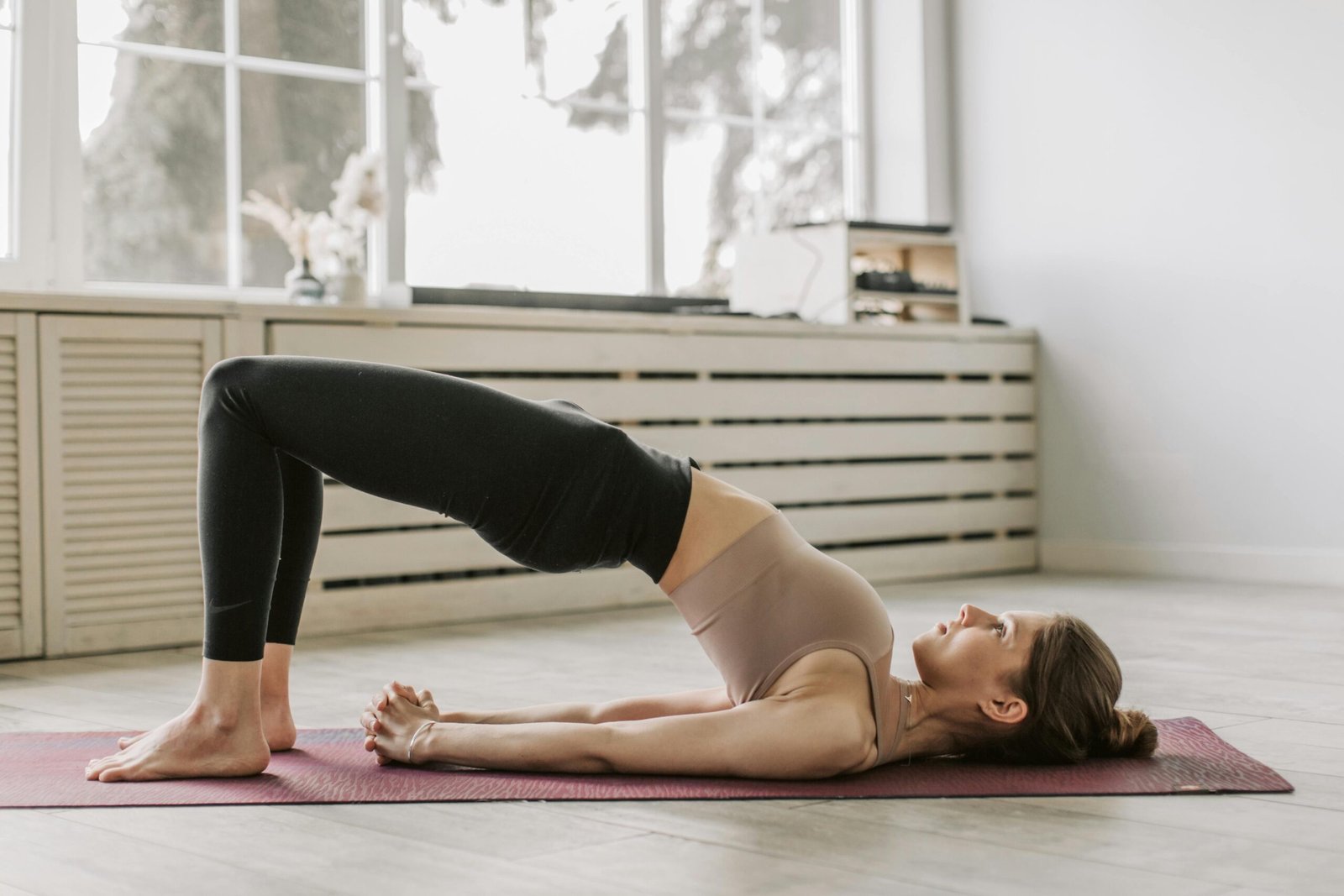
Lie flat on your back with knees bent, feet hip-width apart, flat on the floor. Place your arms at your sides. Now here is the key — do a posterior pelvic tilt before you begin. Tuck your hips slightly under, as if you are trying to flatten your lower back against the floor. This is what engages your glutes instead of your lower back.
Drive your heels into the floor, squeeze your glutes, and lift your hips until your body forms a straight line from your shoulders to your knees. Hold at the top for two to three seconds — genuinely squeeze, do not just hold position — then lower slowly.
Start with 3 sets of 15 reps. Progress to weighted (backpack or resistance band) once bodyweight feels easy.
Common mistake: Arching your lower back at the top. If your back arches, your hips are going too high and your glutes are checking out.
2. Hip Thrust Off the Couch (Game Changer)
Target: Gluteus maximus (highest activation of any glute exercise)
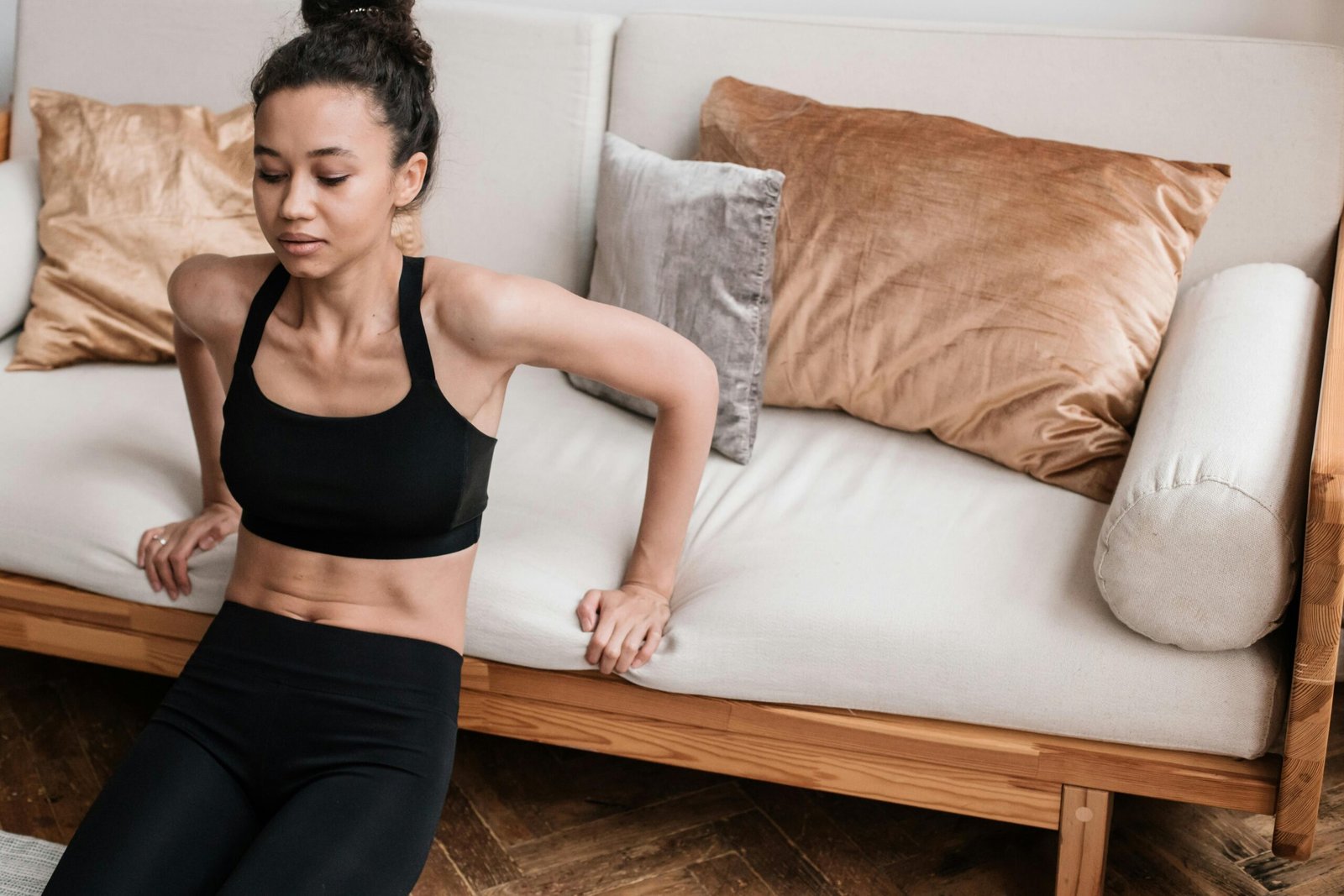
This one transformed my results. Sit on the floor with your upper back resting against the edge of your couch or a sturdy chair. Bend your knees, feet flat on the floor, hip-width apart. Place a folded towel on your hip crease for comfort if needed — or hold a heavy book or loaded backpack there for resistance.
Drive through your heels, engage your core, and push your hips upward until your thighs are parallel to the floor. Your chest should stay tall, not reach toward the ceiling. Squeeze at the top for two seconds, then lower in a slow, controlled way.
3 sets of 12-15 reps is a solid starting point.
Hip thrusts are the most effective glute exercise because they load the glutes at full extension — the exact position where the muscle is strongest. Squats load the glutes at the bottom of the movement, which is actually a weaker position for glute activation.
3. Bulgarian Split Squat (The Uncomfortable Truth)
Target: Gluteus maximus, gluteus medius, quads, hamstrings
Nobody loves Bulgarian split squats. They are uncomfortable, they make your legs shake, and they are absolutely essential.
Stand about two feet in front of your couch. Rest the top of one foot behind you on the seat of the couch. Your front foot should be far enough forward that when you lower down, your front shin stays vertical.
Lower your back knee toward the floor in a controlled way, keeping your chest upright. Lean your torso forward slightly — this shifts more work into the glutes. Push through your front heel to return to standing.
Do 3 sets of 8-12 reps per leg. Your glutes will be sore for days the first time you try these. That is normal.
4. Donkey Kicks
Target: Gluteus maximus, gluteus medius
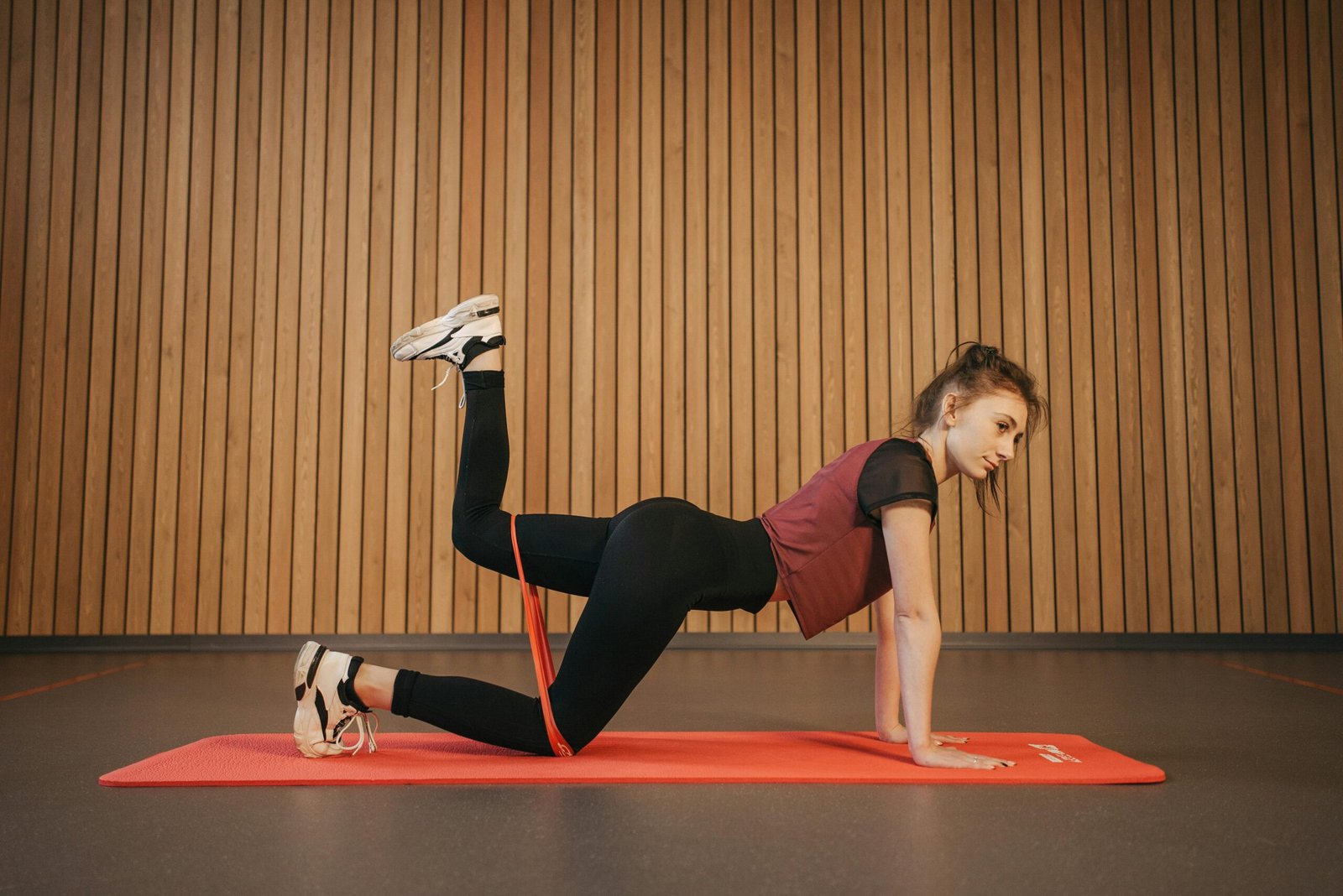
Get on all fours with your hands under your shoulders and knees under your hips. Keep your core braced. Flex one foot and drive your heel toward the ceiling, keeping your knee at 90 degrees. Squeeze at the top, then lower slowly.
The tempo here matters enormously. Do not swing your leg — that turns this into a momentum exercise, not a glute exercise. Go slow, go controlled, and feel the squeeze.
3 sets of 15-20 reps per leg.
5. Fire Hydrants
Target: Gluteus medius, gluteus minimus, hip abductors
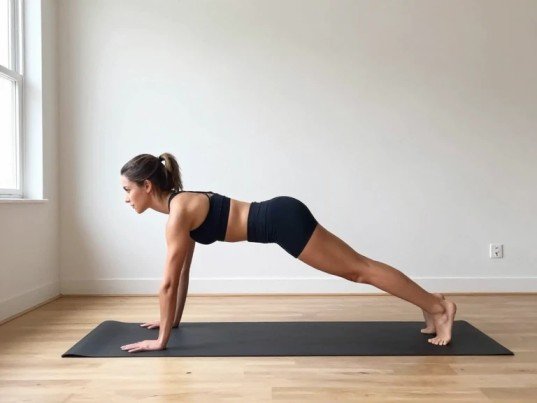
Still on all fours. From the same starting position as donkey kicks, lift one knee out to the side, keeping it at a 90-degree angle. You should look a bit like a dog at a fire hydrant — hence the name. Raise as high as hip height, pause, then lower slowly.
Adding a resistance band just above the knees here makes this exercise significantly more effective.
3 sets of 15-20 reps per leg.
This exercise directly hits the side of the glutes, which is where that rounded, lifted look comes from. Most people skip this muscle group entirely and then wonder why their results feel incomplete.
6. Reverse Lunge with Glute Focus
Target: Gluteus maximus, gluteus medius, hamstrings
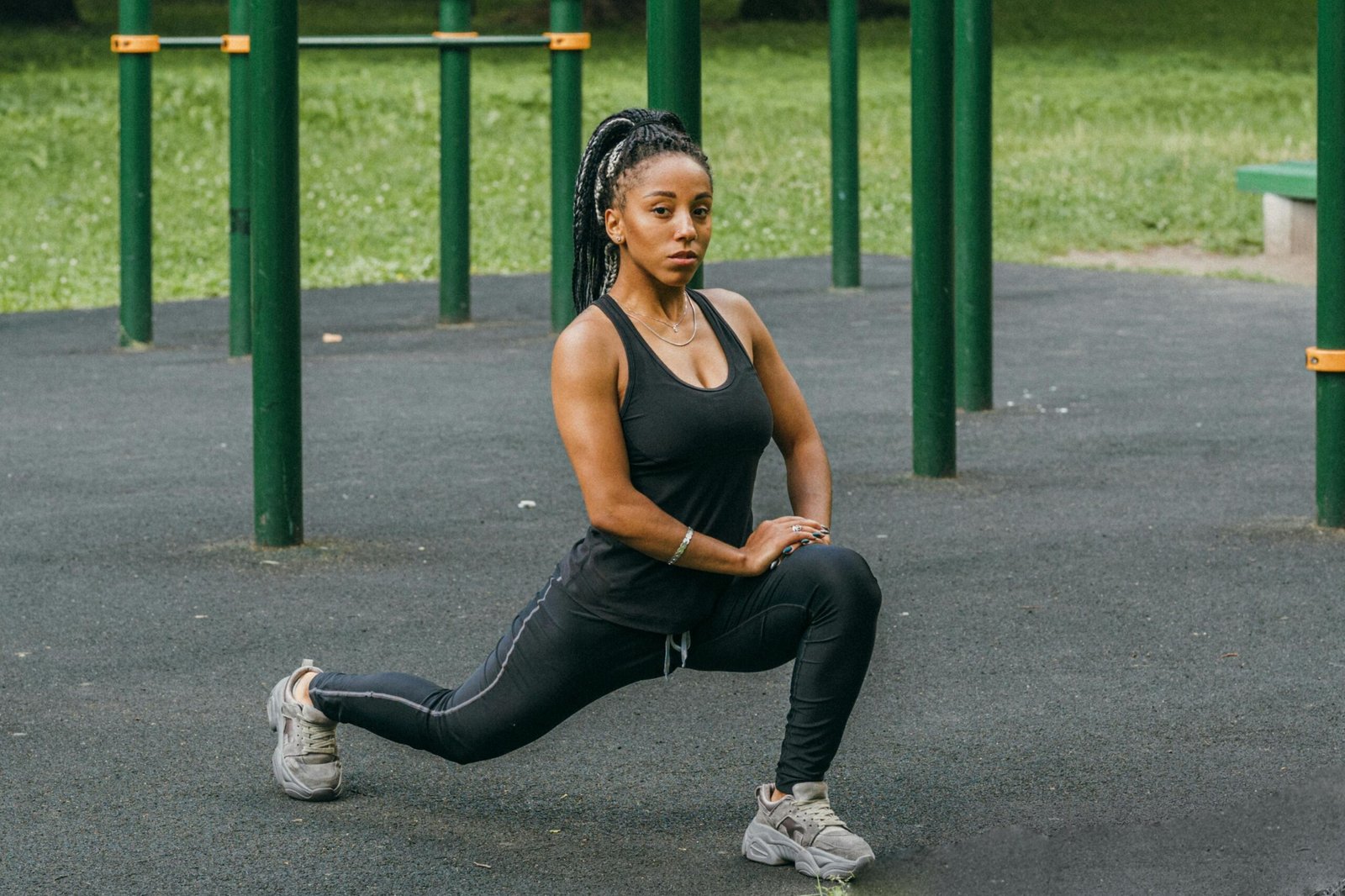
Stand tall with feet hip-width apart. Step one foot backward and lower your back knee toward the floor. Here is the key angle most people miss — hinge your torso slightly forward, keeping your chest proud. This small lean shifts the loading from your quad-dominant position into a glute-dominant one.
Push through your front heel to return to standing. Keep the movement slow and controlled.
3 sets of 10-12 reps per leg.
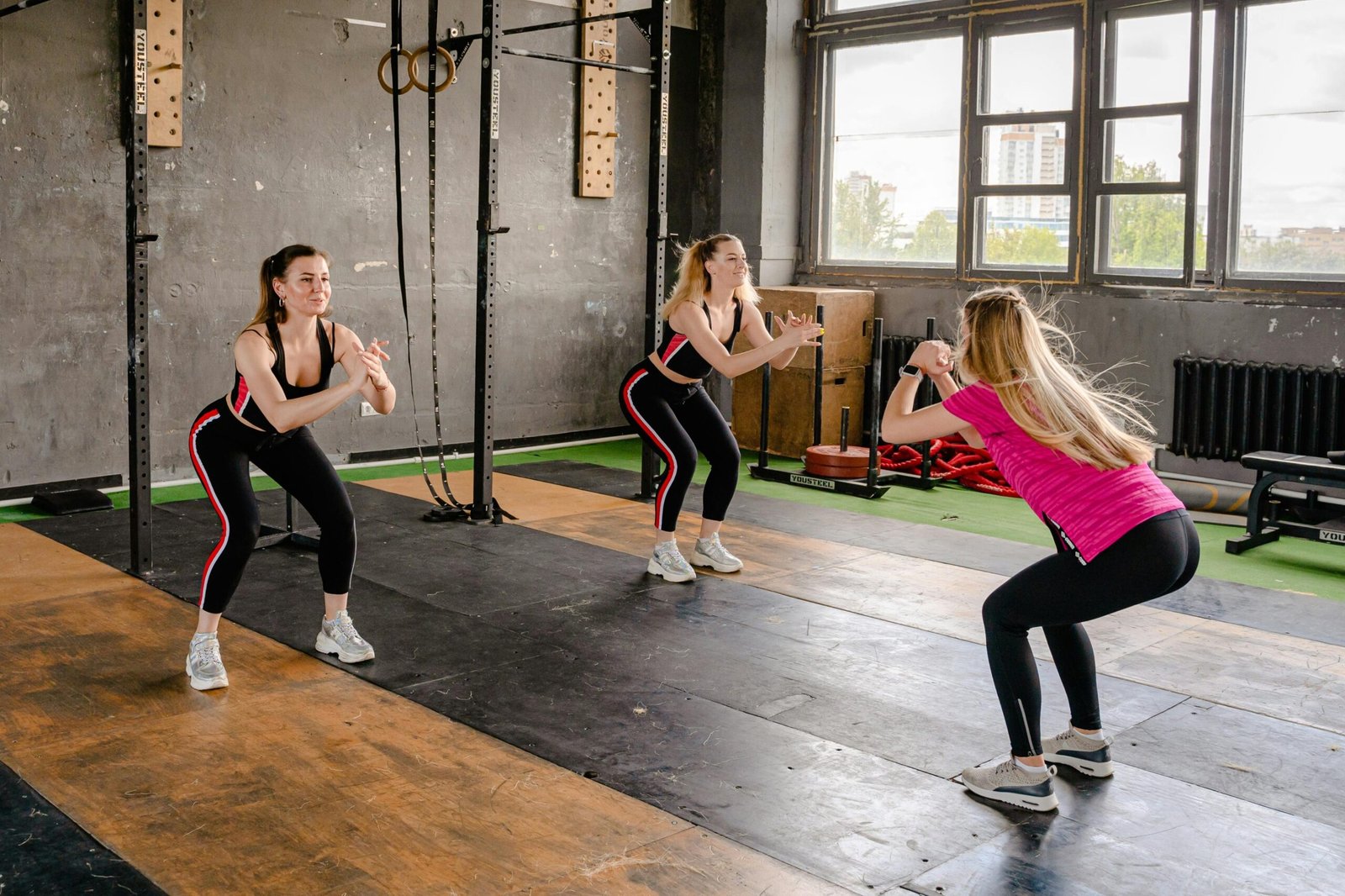
7. Sumo Squat
Target: Gluteus maximus, inner thighs, quads
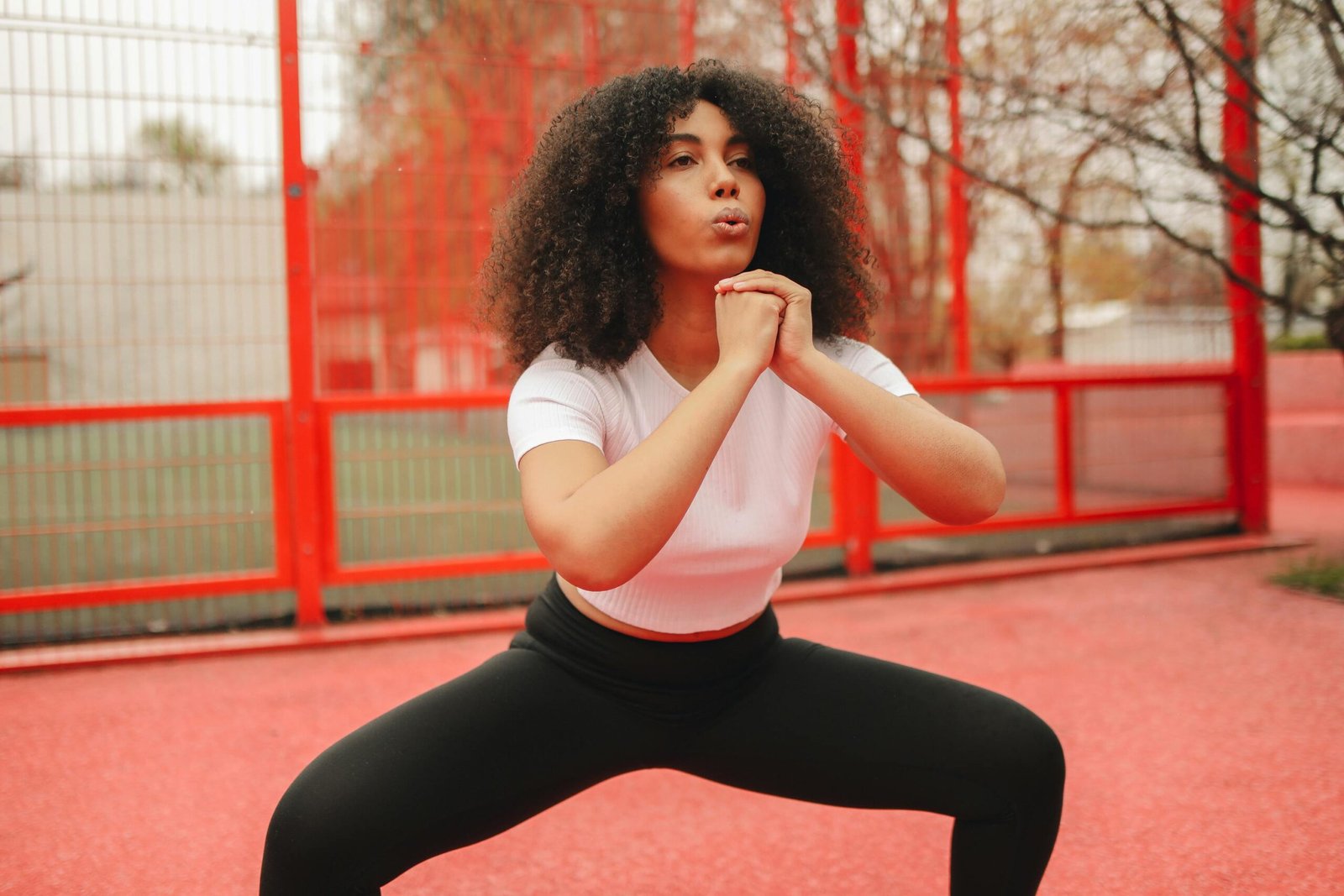
Stand with your feet significantly wider than shoulder-width apart and toes pointed out to about 45 degrees. Hold a water jug, heavy book, or backpack for added resistance.
Lower into a squat position, keeping your chest tall and your knees pushing out in line with your toes. Go as deep as your mobility allows — ideally until your thighs are parallel to the floor or lower. Drive through your heels to return to standing, squeezing your glutes at the top.
The wide stance targets the inner portion of your glutes and inner thighs in ways a regular squat does not reach.
3 sets of 12-15 reps.
8. Clamshell
Target: Gluteus medius, gluteus minimus
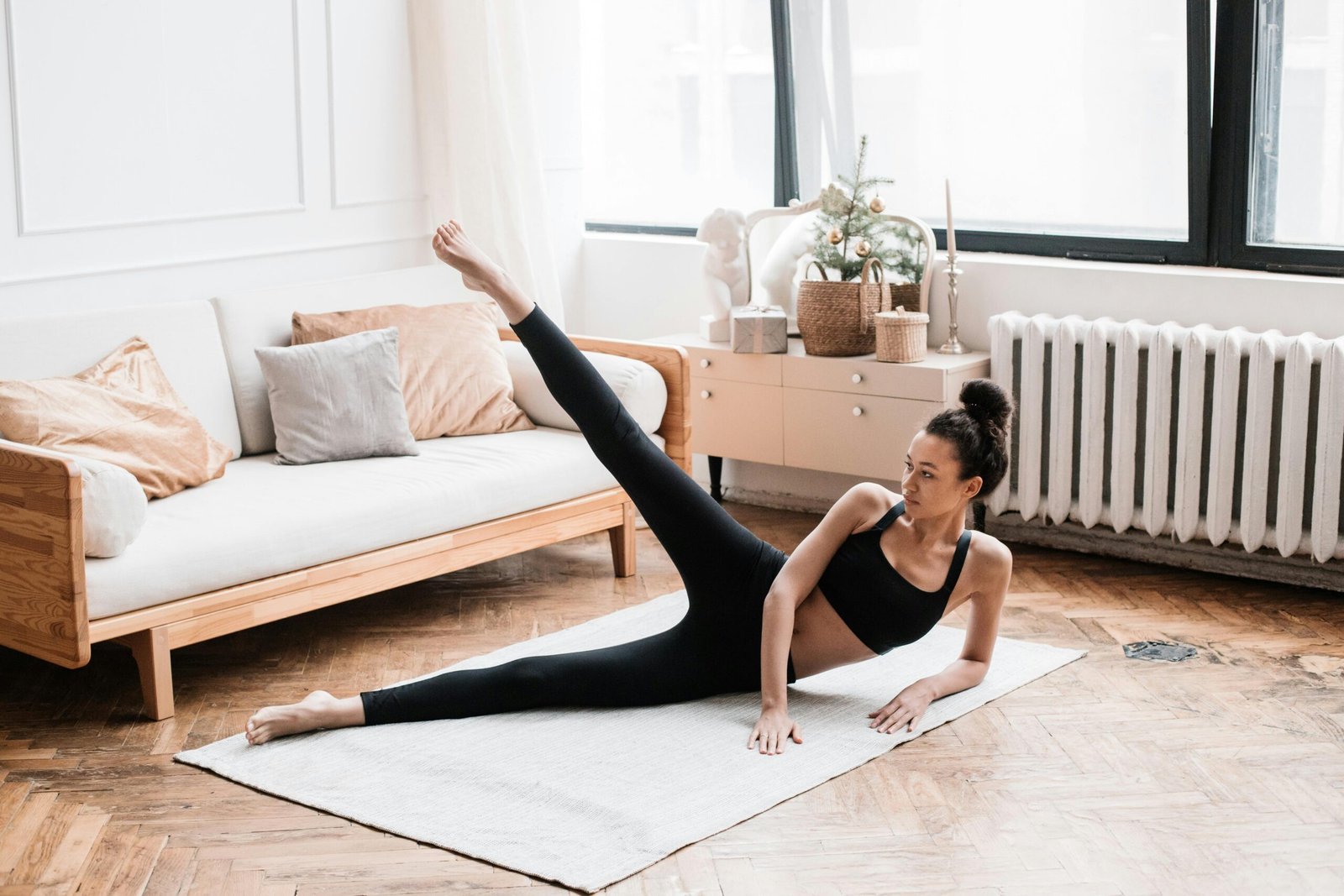
Lie on your side with your knees bent at 90 degrees, hips stacked. Keep your feet together and rotate your top knee upward like a clamshell opening. You should feel this directly on the outer hip — not in your hip flexor.
Use a resistance band just above your knees for added intensity.
3 sets of 15-20 reps per side.
A lot of people skip this because it does not feel tough enough. But your gluteus medius is responsible for the side-curve of your glutes and plays a big role in keeping your hips stable. Weak glute medius muscles are also one of the main causes of knee pain during other exercises — so training them protects you too.
My Weekly At-Home Glute Workout Schedule
Consistency beats intensity every single time. Here is a realistic plan that accounts for recovery:
Monday — Glute Day A (Hip Hinge Focus)
- Glute bridge — 3 sets x 15 reps (add tempo or band)
- Hip thrust off couch — 4 sets x 12 reps
- Romanian deadlift (use backpack) — 3 sets x 12 reps
- Donkey kicks — 3 sets x 15 reps per side
- Clamshells with band — 3 sets x 20 reps per side
Rest: Full day off or light walking
Wednesday — Glute Day B (Squat and Lunge Focus)
- Sumo squat — 3 sets x 15 reps
- Bulgarian split squat — 4 sets x 10 reps per leg
- Reverse lunge with forward lean — 3 sets x 12 reps per leg
- Fire hydrant — 3 sets x 15 reps per side
- Single-leg glute bridge — 3 sets x 12 reps per leg
Rest: Full day off or light walking
Friday — Glute Finisher (Burnout and Activation)
- Banded hip thrust — 4 sets x 15 reps
- Clamshells — 3 sets x 20 reps per side
- Sumo squat with pause at bottom — 3 sets x 12 reps
- Donkey kicks slow tempo — 3 sets x 15 reps per side
Train your glutes two to three times per week with at least 48 hours between sessions. Muscle growth happens during rest — not during the workout.
Mind-Muscle Connection: The Thing I Ignored for Way Too Long
About three months into my at-home training, I realised I was going through the motions without actually feeling my glutes work. I was doing the exercises, but my legs and lower back were doing most of the lifting.
Mind-muscle connection is the ability to consciously contract a specific muscle during an exercise. It sounds like a fitness buzzword, but the research backs it up — people who focus on the target muscle during training show greater muscle activation than those who just focus on completing the movement.
Here is how to build it:
Before any workout, do 10-15 glute squeezes while standing or lying down. Squeeze your glutes as hard as you can and hold for two seconds. Release. Repeat. This “wakes up” the neural pathways between your brain and your glutes, making the rest of your workout more effective.
During exercises, actively think about the muscle you are working. On a hip thrust, think “squeeze my glutes” rather than “push my hips up.” The difference is subtle but significant over time.
Nutrition for Glute Growth at Home
You can do every workout perfectly and still see minimal results if you are not eating to support muscle growth.
Protein is non-negotiable. Aim for roughly 0.7 to 1 gram of protein per pound of body weight daily. For someone weighing 140 pounds, that is roughly 98 to 140 grams of protein per day. Good sources include chicken, eggs, Greek yogurt, lentils, cottage cheese, and protein shakes if needed.
Eat enough food overall. Your body cannot build new muscle in a deep calorie deficit. You do not need to “bulk” aggressively, but a small calorie surplus of around 200-300 calories above your maintenance level will support muscle growth without excessive fat gain.
Protein timing matters a little. Having a protein-containing meal or snack within two hours of your workout can support muscle repair and recovery. a chicken wrap, eggs on toast, or a protein shake” for better voice consistency.
Creatine is optional but effective. If you want a supplement with strong research support, creatine monohydrate is well-studied for supporting strength and muscle growth. 3-5 grams daily is the standard dose. It is inexpensive and available everywhere.
How Long Before You See Results? A Realistic Timeline
Let me be completely honest here because the internet is full of exaggerated promises.
Weeks 1-2: You will feel sore and start developing better mind-muscle connection. No visible changes yet, but your nervous system is adapting.
Weeks 3-6: Strength starts improving noticeably. You will find you can do more reps, hold longer, or progress to harder variations. Muscles begin to feel firmer. Some people notice subtle visual changes.
6-10 Weeks: With consistent training and good nutrition, noticeable changes in the shape and firmness of your glutes become visible to you. Your jeans will start fitting differently.
3-6 Months: This is where meaningful, visible muscle growth becomes apparent to others. Friends will notice. Your before-and-after photos will be dramatically different.
1 Year+: Consistent, intelligent training compounded over a year produces genuinely impressive results that most people never believe are possible from home workouts.
The biggest mistake is quitting around the six-week mark just before results really kick in.
Common Mistakes That Are Silently Killing Your Glute Gains
Mistake 1: Using the wrong muscle to do the work. This is called compensation. If your glutes are weak or not activated, your lower back, hamstrings, and quads will take over. The posterior pelvic tilt technique I described earlier helps prevent this.
Mistake 2: Never tracking your workouts. If you do not track, you cannot progressively overload. You will do the same workout forever and get stuck.
Mistake 3: Doing only squats. Squats are a quad-dominant exercise by default. If you only squat, you are probably building quads, not glutes. Hip hinges (like hip thrusts and bridges) are far more effective for direct glute targeting.
Mistake 4: Training too infrequently. Doing one glute workout per week will give you very slow results. Train your glutes two to three times weekly for optimal growth stimulus.
Mistake 5: Ignoring recovery. Muscles grow while you rest. Sleep is a non-negotiable part of the process. Aim for seven to nine hours per night, and do not train the same muscles two days in a row intensely.
Mistake 6: Expecting overnight results. Glute growth is measured in months, not weeks. The people who succeed are the ones who show up consistently for six months and treat it like a long game.
Progression Chart: How to Keep Making Gains Over Time
| Week Range | Exercise Example | Progression Method |
|---|---|---|
| Week 1-2 | Bodyweight glute bridge | Master form, 3 x 15 |
| Week 3-4 | Tempo glute bridge (3s lower) | Add slow eccentric |
| Week 5-6 | Single-leg glute bridge | Unilateral progression |
| Week 7-8 | Banded hip thrust off couch | Add resistance band |
| Week 9-10 | Weighted hip thrust (backpack) | Add load |
| Week 11-12 | Single-leg hip thrust with band | Combined challenge |
Apps and Tools That Actually Help With Your At Home Workout to Grow Glutes
Strong app (free version): Great for tracking workouts, sets, and reps on your phone. Keeps your progressive overload on track so you are never guessing whether you improved from last session.
YouTube (Heather Robertson, Sydney Cummings): Both post structured, well-explained home workout videos with no equipment needed. Good for following along if you want guided sessions without paying for a gym.
Resistance bands (Gymshark, Rogue, or any fabric set): A set of three resistance bands in different strengths costs around $10-20 and adds serious value to your training. Fabric bands do not roll or snap the way rubber ones do.
MyFitnessPal: For tracking protein and calorie intake if you want to make sure your nutrition is actually supporting your glute growth and not working against it.
To get a full picture of your progress beyond just the mirror, pair your at home workout to grow glutes routine with the Fitness Flora Weight Loss Percentage Calculator, which also shows your BMI, weekly loss rate, and a visual chart so you can see exactly where you stand.
The Part Most Articles Skip: Mental Consistency
Getting real with you here — the hardest part of any at home workout to grow glutes is not the exercises themselves. It is showing up on a random Thursday evening when you are tired, it is comfortable to sit on the couch, and you have not seen major changes yet.
The people who actually transform their glutes at home are the ones who treat it like a non-negotiable appointment with themselves. Not every session needs to be perfect. A 20-minute workout done consistently beats a 60-minute workout done occasionally.
Put your workout on your calendar. Set a reminder on your phone. Clear a small space in your living room so there is no setup friction. Show up even when motivation is zero.
The results come for the people who stay in the game long enough to see them.
Final Thoughts
Growing your glutes at home is genuinely possible — I am living proof of that, and so are thousands of other people who have built impressive results without a single gym visit. The science is clear, the methods work, and the only thing standing between you and a rounder, stronger backside is time and consistency.
Start with the exercises in this guide. Track your workouts. Eat enough protein. Progress when things get easy. Train two to three times a week and protect your recovery.
You do not need a gym. You do not need expensive equipment. You need a plan, patience, and the willingness to put in the work in your own living room.
Put in the work consistently. The results will come.
Written from personal experience combined with evidence-based fitness principles. Always consult a certified personal trainer or healthcare professional before starting a new exercise program.
FAQs
Can you actually grow your glutes at home without weights?
Yes, absolutely — but you need to apply progressive overload creatively. That means advancing through harder variations, slowing your tempo, adding resistance bands, or using a loaded backpack. Bodyweight alone gets you started, but continued progression requires increasing the challenge over time.
How many days a week should I train glutes at home?
Two to three times per week is the evidence-backed sweet spot for most people. This provides enough stimulus for muscle growth while allowing adequate recovery time between sessions. Training the same muscle intensely on back-to-back days interferes with recovery.
How long does it take to see glute growth from home workouts?
Most people notice firmer muscles and improved shape within six to ten weeks of consistent training. Significant, clearly visible growth typically takes three to six months of dedicated effort combined with proper nutrition.
Are glute bridges or hip thrusts better for growing glutes at home?
Hip thrusts generally produce higher glute activation than glute bridges because they allow a greater range of hip extension. Both are valuable — start with bridges as a foundation, then progress to hip thrusts off your couch for better results.
Do I need to feel sore after a glute workout for it to be effective?
Not necessarily. Soreness is one sign of muscle stress, but it is not a reliable measure of workout effectiveness. As your body adapts, you will feel less sore even while continuing to grow. Focus on progressive overload and performance improvements rather than chasing soreness.
What should I eat to help my glutes grow at home?
Prioritise adequate protein — around 0.7 to 1 gram per pound of body weight daily. Eat enough total calories to support muscle growth (a slight surplus above maintenance is helpful). Stay consistent with nutrition, not just your workouts.
Can I grow my glutes without getting bigger thighs?
To some degree, yes. Hip-hinge exercises like hip thrusts target the gluteus maximus more directly than squat-pattern exercises, which tend to develop the quads more heavily. Focusing your training on hip thrusts, bridges, donkey kicks, and clamshells will bias growth toward the glutes over the thighs.
Is it normal for one glute to be stronger than the other?
Yes, this is very common. Most people have a dominant side. Single-leg exercises like Bulgarian split squats and single-leg hip thrusts are excellent for addressing imbalances because each side has to work independently.