Treadmill Workout for Weight Loss
A treadmill is one of the most reliable tools for weight loss — but results come from how you use it, not just how often you show up. Consistent treadmill training creates a calorie deficit, improves cardiovascular health, and — over time — reduces overall body fat, including stubborn belly fat. The most effective approach combines varied intensity, progressive incline, and a minimum of 150 minutes per week. Whether you’re walking, jogging, or sprinting, the treadmill meets you at your fitness level and scales as you improve.
Key treadmill strategies for weight loss:
- HIIT intervals — Sprint 1 minute at 8–10 mph, walk 2 minutes at 3 mph, repeat 5 rounds for maximum afterburn
- Incline walking — Walk at 3.5–4 mph on 8–10% incline to burn serious calories without running
- 30-minute progressive workout — Alternate brisk walk, jog, and sprint in 3/2/1 minute cycles
- 150+ minutes per week — The evidence-backed minimum for meaningful fat loss
- Speed by level — Beginners: 3.0–3.7 mph with incline; Intermediate: 5–6 mph; Advanced: 7+ mph with sprints
- Steady-state cardio — Consistent pace for 30–60 minutes builds aerobic base and burns reliable calories
- Track beyond the scale — Measure waist, energy levels, and workout performance, not just bodyweight
Does the Treadmill Burn Belly Fat?
Let’s get the most common question out of the way first.
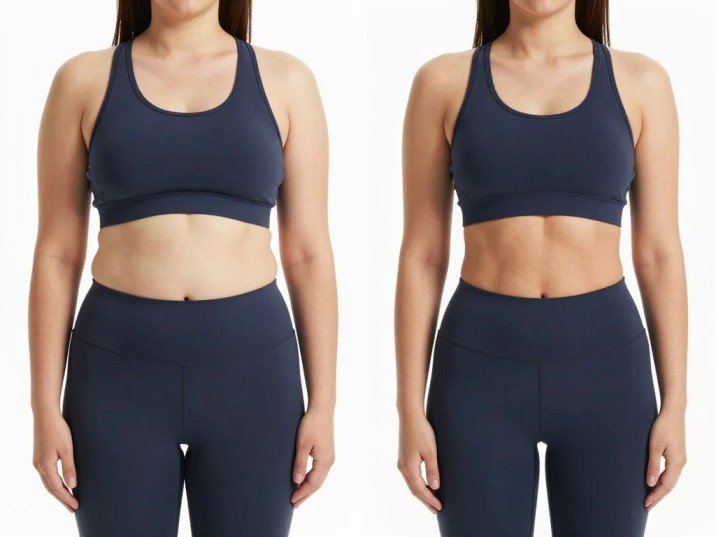
Yes — but there’s an important caveat. You cannot spot-reduce fat. No exercise targets your belly specifically. What treadmill training does do is create a sustained calorie deficit, and as your total body fat decreases, belly fat decreases with it.
Research consistently shows that aerobic exercise like treadmill running is one of the most effective tools for reducing visceral fat — the deep abdominal fat wrapped around your organs that’s both visible and metabolically harmful.
The three things that determine whether your treadmill sessions actually work:
Consistency — 150+ minutes per week is the evidence-backed minimum for meaningful fat loss. Below that, you’re largely maintaining.
Intensity — If you can hold a full conversation without effort, you’re not working hard enough. You should be breathing noticeably harder than normal.
Caloric environment — Treadmill cardio supports fat loss; it doesn’t override a caloric surplus. Your diet has to be aligned.
Get all three right, and the treadmill is a genuinely powerful fat loss tool.
Why Cardio Matters More Than People Think
There’s a loud corner of the fitness internet that says “cardio is useless — just lift weights.” It’s an overcorrection.
Cardiovascular training does things strength work alone can’t:
- Directly burns calories during the session, contributing to your daily deficit
- Reduces visceral fat more efficiently than resistance training, according to multiple comparative studies
- Lowers cortisol over time — and chronically elevated cortisol is directly tied to belly fat accumulation
- Improves insulin sensitivity, which affects how your body stores and burns fat
- Builds aerobic capacity, making you more resilient across all forms of exercise
The ideal approach combines both. But if you’re going to prioritize one for fat loss, don’t sleep on cardio.
The 4 Treadmill Workout Types (And When to Use Each)
Before the strategies, understand the tools you’re working with:
Walking workouts — 2.5–4 mph, flat or inclined. Low-impact, sustainable, and underrated. Incline walking in particular burns significantly more calories than people expect and is easy on joints.
Interval training (HIIT) — Alternating hard efforts with recovery periods. Produces the highest calorie burn per minute and creates a post-workout metabolic boost that lasts hours.
Incline training — Steady pace, elevated grade. Engages the posterior chain (glutes, hamstrings, calves) more than flat running and spikes calorie burn without requiring high speeds.
Steady-state cardio — Consistent pace for 30–60 minutes. Builds your aerobic base, burns a reliable volume of calories, and is recoverable enough to do frequently.
A well-designed week includes a mix of all four. Here’s how to build that mix.
7 Fat-Burning Treadmill Strategies
Strategy 1: Use HIIT to Trigger the Afterburn Effect
HIIT — High-Intensity Interval Training — is the most time-efficient fat-burning method on a treadmill. Short, hard efforts followed by active recovery create something called EPOC (Excess Post-Exercise Oxygen Consumption): your body continues burning elevated calories for up to 24 hours after you finish.
For fat loss clients with limited time, this is my first recommendation.
HIIT treadmill protocol:
| Phase | Speed | Duration |
|---|---|---|
| Warm-up | 3.5 mph | 5 min |
| Sprint | 8–10 mph | 1 min |
| Recovery walk | 3.0 mph | 2 min |
| Repeat sprint/walk | — | × 5 rounds |
| Cool-down | 3.0 mph | 5 min |
Total time: ~25 minutes. Total effort: high.
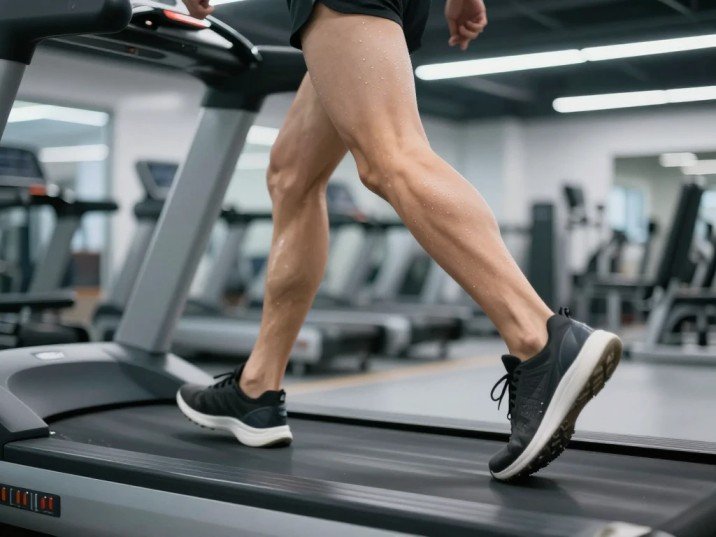
One important note — HIIT is demanding. Don’t do it more than 3 times per week, and always take at least one full rest day between sessions.
Strategy 2: Follow This Structured 30-Minute Fat-Burning Workout
For beginners or anyone returning from a break, a progressive 30-minute interval structure is more appropriate than full HIIT. It introduces intensity variation without maxing out your system.
30-minute fat-burning treadmill workout:
| Phase | Speed | Duration |
|---|---|---|
| Warm-up walk | 3.0 mph | 5 min |
| Brisk walk | 4.0 mph | 3 min |
| Light jog | 5.0–6.0 mph | 2 min |
| Sprint | 7.0 mph | 1 min |
| Repeat brisk/jog/sprint | — | × 2 more rounds |
| Cool-down | 3.0 mph | 5 min |
This hits multiple heart rate zones, keeps intensity varied, and burns meaningfully more than a single-pace walk. It’s the starting point I give most new clients.
Strategy 3: Master Incline Training
If I had to pick the single most underused treadmill strategy for fat loss, it’s incline.
Walking uphill at a moderate pace recruits far more muscle — particularly your glutes, hamstrings, and calves — than flat running at a similar heart rate. That means more calorie burn, more muscle activation, and far less joint stress than sprinting.
Incline guide:
| Incline | What It Feels Like | Best For |
|---|---|---|
| 1–2% | Natural outdoor terrain | All sessions baseline |
| 3–5% | Gentle uphill | Steady fat-burning walks |
| 8–10% | Moderate hill | High-burn walking sessions |
| 12%+ | Steep climb | Advanced conditioning, maximum burn |
A 12% incline means a 12-degree grade — equivalent to a demanding hill outdoors. It’s significantly harder than it sounds, especially sustained for 20+ minutes.
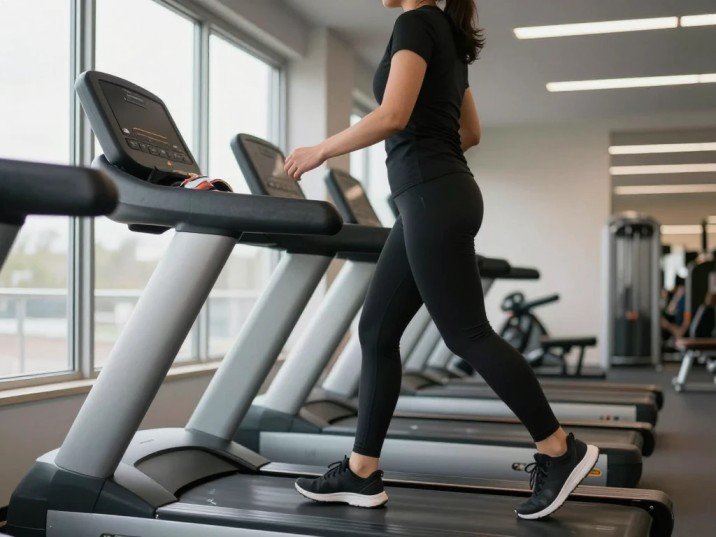
My go-to recommendation for beginners who find running uncomfortable: walk at 3.5–4.0 mph at 8–10% incline for 30–40 minutes. It’s a serious workout with zero running required.
Strategy 4: Set the Right Speed for Your Level
Speed is important — but matching speed to your fitness level matters more than chasing a number.
Speed guidelines:
- Beginners (fat loss walking): 3.0–3.7 mph with 2–4% incline. This is the sweet spot for low-impact, sustainable calorie burn.
- Intermediate (jogging): 5.0–6.0 mph. You should be breathing hard but able to maintain form.
- Advanced (running + sprints): 7.0 mph+ for sprint intervals, with full recovery between efforts.
The mistake I see most often is beginners running too fast with poor form. You burn more calories walking uphill with good posture than running hunched over at an unsustainable pace.
Strategy 5: Hit 150 Minutes Per Week — Minimum
This is non-negotiable. One great treadmill session per week does very little for fat loss. The research and my own client data both point to the same threshold: 150 minutes of moderate-to-vigorous cardio per week is where results start compounding.
That’s achievable as:
- 5 × 30-minute sessions
- 4 × 38-minute sessions
- 3 × 50-minute sessions
Even on busy days, a 20-minute brisk incline walk counts. Consistency over perfection — always.
Strategy 6: Periodize Steady-State and Intervals
One of the biggest reasons people plateau is doing the same type of cardio every session. Your body adapts to repeated stimulus and becomes more efficient — meaning it burns fewer calories doing the same workout over time.
The fix is periodization: deliberately rotating between workout types.
Steady-state cardio (consistent pace, 30–60 min):
- Best for building aerobic base and recovery days
- Lower intensity means you can do it more frequently
- Good for longer fat-burning sessions on weekends
Interval training (HIIT or progressive intervals):
- Maximum calorie burn and afterburn effect
- Shorter sessions, higher recovery demand
- Breaks adaptation and reignites fat loss when progress stalls
My recommendation: 2–3 interval sessions + 1–2 steady-state sessions per week. This combination gives you the metabolic spike of HIIT with the volume and recovery benefits of steady-state.
Strategy 7: Track the Right Metrics
Most people track one thing: weight. That’s the least reliable indicator of fat loss progress, especially in the early weeks when your body is also retaining water, building muscle, and adjusting to training stress.
Track these instead:
Calories burned per session — Your treadmill display overestimates this, but the relative trend over time is useful.
Weekly training volume — Total minutes logged per week. Are you consistently hitting 150+?
Body measurements — Waist, hips, upper arms, measured monthly. Fat loss shows here before it shows on the scale.
Clothing fit — One of the most honest indicators. Clothes fitting looser is real progress.
Performance markers — Can you sustain a higher incline or speed than you could four weeks ago? That’s your fitness improving, and fat loss follows fitness.
If you’re targeting a specific window — like losing weight in 2–4 weeks — be realistic. A sustainable rate is 0.5–1 kg (1–2 lbs) per week. Anything faster usually involves water weight or muscle loss, not actual fat.
Treadmill Setup: Get This Right Before You Start
Small setup details have a big impact on both results and injury prevention.
Always use at least 1% incline. Zero percent flat on a treadmill is actually slightly downhill compared to outdoor running. A 1% grade corrects for this and better replicates natural movement.
Warm up for 5 minutes at 3 mph. Don’t step on and immediately ramp up speed. Your joints, tendons, and cardiovascular system need time to prepare.
Cool down fully. Abruptly stopping spikes dizziness risk and increases muscle soreness. Spend 5 minutes walking it off at a slow pace.
Footwear matters. Running shoes — not cross-trainers, not casual sneakers. Proper cushioning and heel support directly affect knee and hip health during repeated treadmill sessions.
Don’t grip the handrails. This reduces calorie burn, throws off your posture, and makes the workout easier than your body registers it to be. Use them for balance when adjusting settings, then let go.
The Missing Piece: Add Strength Training
Here’s something a lot of cardio-focused content ignores: muscle mass is your long-term fat loss engine.
Muscle tissue burns 3× more calories at rest than fat tissue does. Every pound of lean muscle you add raises your resting metabolic rate — meaning you burn more calories doing nothing. Cardio alone doesn’t build significant muscle. Strength training does.
The combination of treadmill cardio + 2–3 strength sessions per week consistently outperforms either approach alone.
Sample weekly schedule:
| Day | Session |
|---|---|
| Monday | Treadmill HIIT (25 min) |
| Tuesday | Strength — Upper Body |
| Wednesday | Steady-state treadmill (40 min) or rest |
| Thursday | Strength — Lower Body |
| Friday | Treadmill intervals (30 min) |
| Saturday | Active recovery — walk, yoga, or stretching |
| Sunday | Full rest |
This structure gives you 3–4 cardio touchpoints, 2 strength sessions, and enough recovery to actually adapt and progress.

The Bottom Line
The treadmill is one of the most effective fat loss tools in any gym — but only when you use it with intention.
Walk at incline. Use intervals. Hit 150 minutes per week. Combine it with strength training. Track your real progress, not just your weight. And stay consistent for long enough to let the results compound.
Every session is a deposit. The account pays out at 8–12 weeks of consistency — not 8–12 days.
About the Author Saad Ahmed is a fitness and fat loss coach with over six years of experience helping people build sustainable results through smart training and evidence-based nutrition. He is the founder and lead content creator at FitnessFlora.com, where he publishes practical, no-fluff fitness guidance for real people with real lives.
Frequently Asked Questions
Can you lose weight just by walking on a treadmill?
Yes — especially with incline. Brisk walking at 3.5–4 mph on a 6–10% incline burns 300–450 calories per hour depending on your bodyweight, is joint-friendly, and is sustainable enough to do daily. Many of my clients lose significant weight without ever running.
Does walking on a treadmill burn belly fat?
Walking burns overall body fat, and belly fat reduces proportionally as you lose weight. You can’t target it directly, but consistent treadmill walking in a calorie deficit absolutely reduces it over time.
How long should I walk on a treadmill for weight loss?
30–45 minutes per session, 4–5 days per week, totaling 150+ minutes weekly. That’s the evidence-backed threshold for meaningful fat loss.
What speed should I walk on the treadmill to lose weight?
3.0–3.7 mph with a 2–5% incline is ideal for beginners. It’s slow enough to sustain for 30–45 minutes but challenging enough — especially with incline — to produce real calorie burn.
What does a 12% incline on a treadmill mean?
It means you’re climbing at a 12-degree grade — equivalent to a steep hill. At walking speed, it’s a genuinely hard workout that torches calories without any running required.
How quickly will I see results?
Energy and endurance improvements show up in 2–3 weeks. Visible body composition changes typically appear at 4–8 weeks with consistent training and aligned nutrition. Measurable fat loss (body measurements) usually precedes scale movement.