Table of Contents
- Introduction: The Day I Realized Sugar Was Everywhere
- What Is a No Sugar Diet Plan, Really?
- Why Cut Sugar? The Real Benefits
- The Shocking Truth About Hidden Sugars
- 61+ Sugar Aliases to Watch for on Labels
- The Foods That Surprised Me Most
- What Happens to Your Body When You Quit Sugar
- The No Sugar Diet Plan: What to Eat and What to Avoid
- 7-Day No Sugar Diet Meal Plan
- 5 Biggest Mistakes People Make on a No Sugar Diet
- Surviving Social Situations on a No Sugar Diet
- The Psychology of Quitting Sugar
- Useful Tools and Apps for Tracking Sugar
- No Sugar Diet Plan for Specific Goals
- Common Mistakes When Reading “No Sugar” on Labels
- Final Thoughts: This Isn’t a Diet — It’s a Reset
- Frequently Asked Questions
Disclaimer: This article is for informational and educational purposes only. It does not constitute medical advice. Always consult a registered dietitian or healthcare provider before starting any new diet, especially if you have diabetes, a metabolic condition, or are on medication. Results vary from person to person.
Introduction: The Day I Realized Sugar Was Everywhere
I used to think I didn’t eat much sugar. No soda, no candy, no desserts. I was the person who ordered black coffee and packed salads for lunch. So when my doctor told me my blood sugar was creeping up and my energy crashes were textbook sugar-crash patterns, I was genuinely shocked.
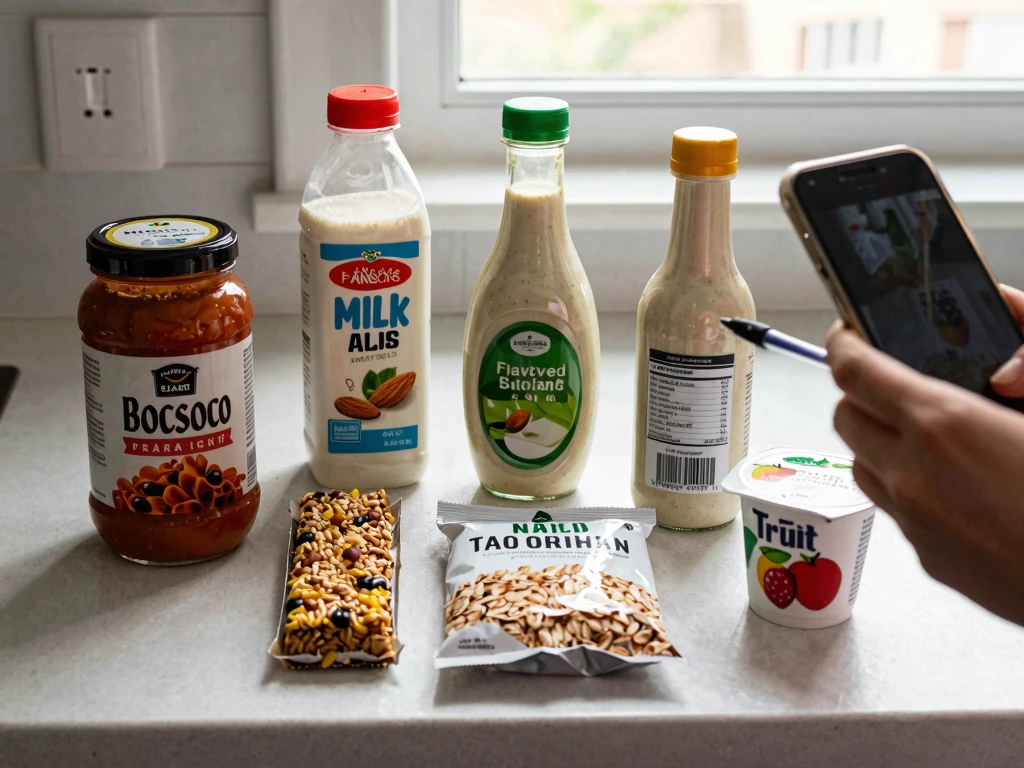
Then I started actually reading labels. My “healthy” granola? 14 grams of sugar per serving. The pasta sauce I used every week? Six grams per half cup — practically a candy bar. Even my whole-wheat bread had cane syrup in the ingredients.
That was the moment I decided to try a no sugar diet plan for real — not a juice cleanse, not a trendy challenge — a proper, sustainable approach to cutting added sugar out of my life. And honestly? The first two weeks were rough. But what happened after that completely changed how I eat, how I sleep, and how I feel every single day.
This guide is everything I wish someone had told me before I started.
What Is a No Sugar Diet Plan, Really?
Before we go further, let’s clear something up — because a lot of people misunderstand this from the start.
A no sugar diet plan does not mean you can never eat a banana again. It means you eliminate added sugars — the ones food companies put into products during processing. Things like cane sugar, corn syrup, dextrose, maltose, and the 60+ other names they use to hide it.
The American Heart Association recommends limiting added sugar intake to nine teaspoons per day for men and six teaspoons per day for women. Most people are eating two to three times that amount without realizing it.
Natural sugars found in whole fruits, vegetables, and unsweetened dairy are generally fine. They come packaged with fiber, vitamins, and minerals that slow absorption and protect your body. Added sugars? They do the opposite — quick spike, fast crash, repeat.
Why Cut Sugar? The Real Benefits (Not the Marketing Fluff)
I’m not going to throw a list of 47 benefits at you. Here’s what actually happened to me, and what research consistently backs up:
Better energy that doesn’t crash. Before, I needed coffee by 10am and again at 3pm. After about 10 days off sugar, I had steady, calm energy for most of the day. No more dragging myself through the afternoon.
Clearer skin. This one surprised me. Within two weeks, the subtle breakouts along my jawline that I’d blamed on stress just… stopped. Many people report better digestion, clearer skin, and more restful sleep within 5–7 days of going sugar-free.
Reduced sugar cravings. Here’s the counterintuitive part — the more sugar you eat, the more you want. Once I got through the rough first week, the cravings genuinely got quieter. A no-sugar diet has the power to reset your tastebuds, stop sugar cravings, revamp your energy and focus, and boost your metabolism.
Weight loss (without counting calories). I didn’t track a single calorie. I just cut added sugar and processed carbs. In three weeks I dropped about 6 pounds — mostly water weight and inflammation at first, then actual fat.
Reduced risk of serious disease. Studies show that eating less sugar can lower the risk of type 2 diabetes and heart disease. That’s not a scare tactic — it’s consistently supported by research.
The Shocking Truth About Hidden Sugars
This is the part that trips up almost everyone on a no sugar diet plan. You cut out the obvious stuff — soda, candy, ice cream — and think you’re done. You’re not even close.
There are more than 60 names for added sugar. Manufacturers use this complexity to their advantage. They split sugar into smaller amounts under different names so that individually, each one sits lower on the ingredient list — making the product look healthier than it is.
61+ Sugar Aliases to Watch for on Labels
Here are the most common disguises sugar hides behind:
| Category | Examples |
|---|---|
| “-ose” endings | Glucose, fructose, sucrose, dextrose, maltose, lactose |
| Syrups | Corn syrup, high-fructose corn syrup, brown rice syrup, malt syrup, agave syrup |
| “Healthy” sugars | Honey, coconut sugar, maple syrup, molasses, date sugar |
| Concentrates | Fruit juice concentrate, apple juice concentrate |
| Others | Cane crystals, turbinado sugar, evaporated cane juice, barley malt |
Ingredients listed on the food label are in order from highest to lowest amount. If a type of sugar is at the beginning of the ingredient list, that’s a clear signal the food has significant added sugars.
The Foods That Surprised Me Most
You expect sugar in candy. You don’t expect it in these:
- Pasta sauce: Many jarred pasta sauces contain between 6 and 12 grams of sugar per half-cup serving — about the same as a chocolate chip cookie.
- Granola bars: Often contain 8–12 grams of sugar per bar.
- “Low-fat” yogurt: A low-fat yogurt might contain 18 grams of sugar from additives like corn syrup compared to just 8 grams in a full-fat Greek yogurt.
- Iced tea: Leading brands of lemon-flavored iced tea contain approximately 32 grams of sugar per bottle.
- Bread: Especially the “whole grain” or “multigrain” varieties — check every loaf.
- Salad dressings: Ketchup, barbecue sauce, and bottled dressings are notorious sugar traps.
- Energy drinks: Some energy drinks contain about 25 grams of sugar per 8-ounce serving.
Label-reading tip: Divide grams of sugar by 4 to get teaspoons. That makes the number feel real. 12 grams? That’s 3 teaspoons of sugar in one serving.
What Happens to Your Body When You Quit Sugar (Week by Week)
This is the section nobody puts in their meal plan articles — and it’s the most important one. If you know what to expect, you won’t quit when it gets hard.
Week 1: The Rough Patch (Days 1–7)
Withdrawal symptoms typically peak within the first week and can include fatigue, headaches, mood swings, and intense cravings for sugar or carbohydrates.
Here’s a more realistic breakdown of what that actually looks like:
- Days 1–3: Headaches, irritability, fatigue, and the kind of sugar cravings that feel almost physical. Stay hydrated, eat regular meals with protein, and get extra sleep during these days.
- Days 4–5: Energy levels may dip as your body shifts fuel sources. Light walking helps. This is when most people quit — don’t.
- Days 6–7: Cravings often start to soften. Sleep quality may noticeably improve.
These are normal signs that your body is adjusting to the change. They will subside as you stick to the plan and your body adapts. The headaches are especially common — staying hydrated and getting magnesium-rich foods like spinach, almonds, and pumpkin seeds helps significantly.
Week 2: The Shift
By week two, most people hit an inflection point. The cravings aren’t gone, but they’re manageable. Energy becomes more stable. You start sleeping more deeply. The bloating you didn’t even know you had begins to disappear.
Your palate is also recalibrating. Foods that tasted bland before start to have more flavor. A plain strawberry tastes genuinely sweet.
Week 3 and Beyond: The New Normal
By week three, you can establish your new normal with an 80/20 approach: eating sugar-free 80% of the time and allowing for occasional treats. This prevents the all-or-nothing mentality that leads to diet failure.
One of the most surprising outcomes? Your taste buds completely recalibrate. Foods that once tasted normal now taste overwhelmingly sweet. After the challenge, foods like a chocolate chip cookie may taste cloying, and you may only be able to finish half of it.
The No Sugar Diet Plan: What to Eat and What to Avoid
Foods You Can Eat Freely
Proteins: Eggs, chicken, turkey, beef, lamb, fish (salmon, tuna, sardines), shrimp, tofu, tempeh
Vegetables (non-starchy): Spinach, kale, broccoli, cauliflower, zucchini, bell peppers, cucumber, asparagus, onions, garlic, mushrooms
Healthy Fats: Avocado, olive oil, coconut oil, butter (grass-fed), nuts (almonds, walnuts, pecans), seeds (chia, flaxseed, pumpkin)
Low-sugar fruits: Berries (blueberries, strawberries, raspberries), green apples, lemon, lime, avocado (yes, it’s a fruit)
Whole Grains (in moderation): Oats (plain, not flavored), brown rice, quinoa, barley
Dairy: Plain full-fat Greek yogurt, unsweetened almond milk, hard cheese, cottage cheese
Beverages: Water, sparkling water, black coffee, herbal tea (unsweetened), green tea
Foods to Avoid on a No Sugar Diet Plan
Avoid sugary drinks (sodas, sweetened teas, coffee drinks, energy drinks, sports drinks, protein drinks, juices, sweetened alternative milks), artificial sweeteners (aspartame, sucralose, saccharin), fast-burn processed carbs (white bread, pasta, crackers, pizza crust, chips, pretzels, cereal, pancakes, bagels, biscuits, waffles), and packaged snacks with hidden sugars (granola, granola/protein bars, flavored oatmeal, yogurt, sauces, marinades, dressings, tomato sauce, frozen meals).
One note on artificial sweeteners: Artificial sweeteners can be anywhere from 200 to 13,000 times sweeter than real sugar. This can fool your brain into thinking that you’re actually eating sugar and in the long run, these substitutes can trigger sugar cravings, making it harder for you to stick to your eating plan. I tried using stevia as a workaround in week one — it kept my cravings alive. I dropped it in week two and the cravings dropped too.
7-Day No Sugar Diet Meal Plan (Complete, Practical, Real Food)
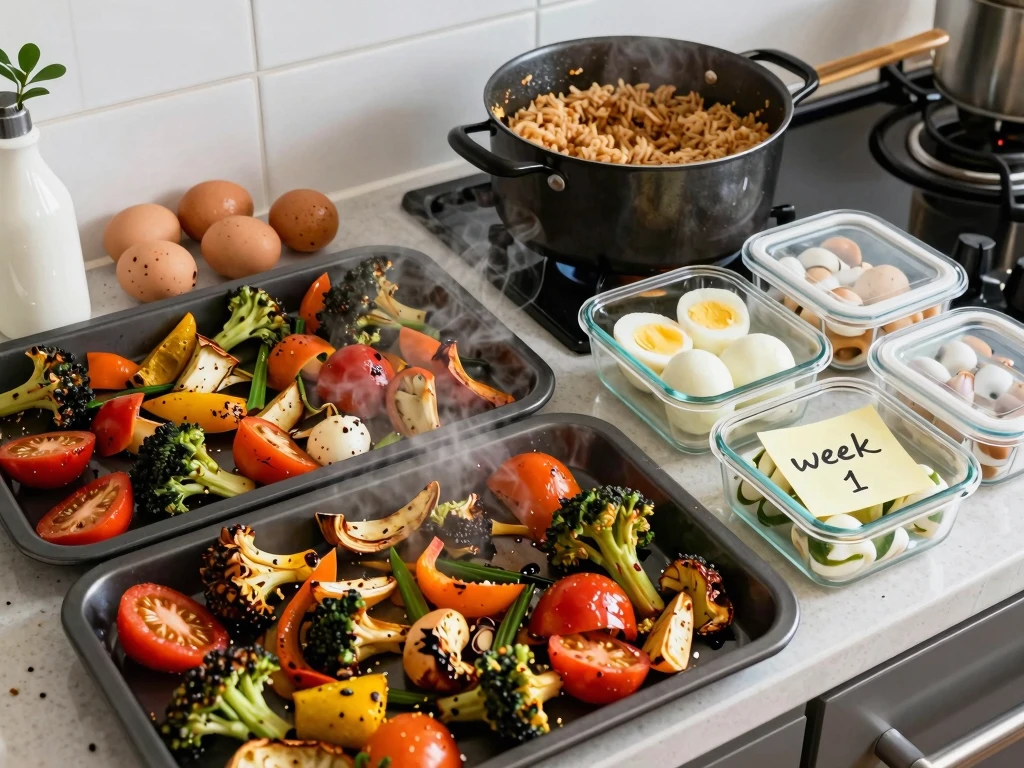
This isn’t a “2 cups of spinach and a prayer” plan. These are real meals that kept me full, satisfied, and on track.
Day 1 — Monday: Keep It Simple
| Meal | What to Eat |
|---|---|
| Breakfast | 3 scrambled eggs + sautéed spinach + black coffee or herbal tea |
| Snack | Handful of almonds + a few strawberries |
| Lunch | Grilled chicken breast + roasted broccoli + half avocado |
| Snack | Plain full-fat Greek yogurt (check label: under 5g sugar) |
| Dinner | Baked salmon + steamed green beans + brown rice (½ cup) |
Day 2 — Tuesday: Prep Day Rewards
| Meal | What to Eat |
|---|---|
| Breakfast | Overnight oats (plain rolled oats, unsweetened almond milk, chia seeds, blueberries) |
| Snack | Boiled eggs (2) + celery sticks |
| Lunch | Turkey lettuce wraps + cucumber + hummus (no-sugar variety) |
| Snack | Walnuts + a green apple |
| Dinner | Beef stir-fry with zucchini, bell peppers, mushrooms (olive oil, garlic, tamari sauce) |
Day 3 — Wednesday: Mid-Week Power
| Meal | What to Eat |
|---|---|
| Breakfast | Smoothie: unsweetened almond milk + spinach + frozen berries + protein powder (no sugar) + flaxseed |
| Snack | Cheese cubes + a few olives |
| Lunch | Tuna salad (olive oil, lemon, dijon mustard — not mayo with sugar) on romaine lettuce |
| Snack | Cucumber slices + guacamole |
| Dinner | Roasted chicken thighs + cauliflower mash + asparagus |
Day 4 — Thursday: Cravings May Hit Hard
| Meal | What to Eat |
|---|---|
| Breakfast | Egg muffins (eggs baked with spinach, mushrooms, bell pepper in muffin tin) — prep 6 at once |
| Snack | Handful of pecans + raspberries |
| Lunch | Lentil soup (homemade or check label carefully) |
| Snack | Pumpkin seeds + herbal tea with cinnamon |
| Dinner | Shrimp + quinoa + roasted cherry tomatoes |
Day 5 — Friday: Flavor Friday
| Meal | What to Eat |
|---|---|
| Breakfast | Avocado + poached eggs on one slice whole-grain toast (check: under 2g sugar) |
| Snack | Cottage cheese + sliced cucumber |
| Lunch | Salmon salad: canned salmon, diced avocado, celery, olive oil, lemon |
| Snack | Dark chocolate (85%+ cacao, one square) + green tea |
| Dinner | Homemade lamb kofta + Greek salad (no croutons, olive oil dressing) |
Day 6 — Saturday: Weekend Without Regret
| Meal | What to Eat |
|---|---|
| Breakfast | Pancakes made with almond flour, eggs, and mashed banana (naturally sweet, no added sugar) |
| Snack | Mixed berries + a dollop of plain yogurt |
| Lunch | Grilled chicken burger (lettuce wrap instead of bun) + sweet potato fries (homemade, oven-baked) |
| Snack | Celery + almond butter (no sugar added) |
| Dinner | Grilled sea bass + roasted root vegetables + quinoa |
Day 7 — Sunday: Reset and Reflect
| Meal | What to Eat |
|---|---|
| Breakfast | Full cooked breakfast: eggs, turkey bacon, mushrooms, tomatoes (no baked beans from a tin — they have sugar) |
| Snack | Almonds + green apple |
| Lunch | Leftover chicken + salad + olive oil, lemon dressing |
| Snack | Herbal tea + a few dark chocolate chips |
| Dinner | Slow-cooked beef stew (homemade) + steamed broccoli |
5 Biggest Mistakes People Make on a No Sugar Diet
These cost me time and almost made me quit. Learn from them.
1. Replacing sugar with artificial sweeteners. It feels like a smart hack. It isn’t. Your brain still gets the sweetness signal, the cravings stay alive, and some research suggests artificial sweeteners may disrupt gut bacteria. Cut the sweet taste entirely for the first 2–3 weeks.
2. Not reading labels on “healthy” foods. Manufacturers often market products with health claims like “natural,” “healthy,” “low-fat,” or “diet” — but these may still be packed with added sugar. Ignore the front of the package and read the label. Every time. Without exception.
3. Eating too little fat and protein. When you cut sugar, you need something to fill that gap. If you don’t eat enough protein and healthy fats, you’ll be hungry and miserable, and the cravings will win. Every meal should have a solid protein source and a fat source.
4. Going cold turkey on everything at once. Suddenly cutting out sugar may result in symptoms such as headache, fatigue, or anxiety. That’s normal — but for some people, a gradual approach (cutting sugary drinks first, then processed snacks, then hidden sources over 2–3 weeks) is more sustainable than going to zero overnight.
5. Forgetting about liquid sugar. The number one source of added sugars in the American diet is beverages. Sweetened coffee drinks, flavored waters, sports drinks, bottled teas, fruit juices — these can tank your progress completely while you’re patting yourself on the back for avoiding cookies. and we have Weight Loss Breakfast Ideas That Actually Work Fast
Surviving Social Situations on a No Sugar Diet
This is where most online guides abandon you. Let me fill the gap.
At restaurants: Order grilled proteins and vegetables. Ask for salad dressing on the side (most are full of sugar). Skip the bread. Avoid sauces — marinades, glazes, and anything “sweet and sour” or “teriyaki” are sugar bombs.
At parties and events: Eat before you go. Have sparkling water with lemon in your hand — it looks like a drink and gives your hands something to do. You don’t have to explain yourself to anyone. “I’m not drinking/eating that tonight” is a complete sentence.
At work: This is where I struggled most. Office birthday cake. Communal candy bowls. Client lunches. My strategy: keep a snack bag in my desk at all times — almonds, dark chocolate, a protein bar with under 5g sugar. You make better decisions when you’re not starving.
At festivals and weddings (in Pakistan and South Asia especially): Kheer, gulab jamun, mithai — this is real life. You don’t have to eat everything. At events, choose fresh salads, soups, or curries and politely skip the desserts. Opt for plain curd, roti-sabzi combinations, and dishes like poha without sugar.
The Psychology of Quitting Sugar: What Nobody Tells You
Here’s something I didn’t read in any meal plan article: quitting sugar is partly emotional.
For a lot of people, sugar is comfort food. It’s celebration food. It’s stress relief. You’re not just changing what you eat — you’re changing how you reward yourself and how you cope.
Sugar addiction involves the compulsive consumption of sugar despite adverse consequences. It triggers the release of dopamine in the brain, similar to addictive drugs, leading to cravings, tolerance, and withdrawal symptoms.
That’s not dramatic — it’s biochemistry. And it means you need to replace the dopamine hits. For me, it was walking, lifting weights, and making a really good cup of coffee. Find your non-food rewards.
Stress may trigger sugar cravings, so your symptoms may feel worse during times of stress. This is real. Build stress management into your plan — even 10 minutes of deep breathing, a short walk, or just stepping away from your screen matters.
Useful Tools and Apps for Tracking Sugar
You don’t need to obsess over numbers, but awareness helps — especially in the beginning.
- MyFitnessPal — Scan barcodes and see the sugar content of almost any packaged food instantly. Game changer.
- Cronometer — More detailed micronutrient tracking; good if you want to see the full picture.
- Open Food Facts — A community-driven database of food products with full ingredient breakdowns.
- Yummly — For finding and saving no-sugar recipes quickly.
I used MyFitnessPal for the first two weeks just to audit my starting point. Once I knew which foods to avoid, I stopped counting and just focused on eating whole foods.
No Sugar Diet Plan for Specific Goals
For Weight Loss
Combine the no-sugar approach with a mild calorie deficit. Focus on protein (it keeps you full), fiber-rich vegetables, and cut liquid calories first. Don’t go below 1,400 calories without medical guidance.
For Diabetes Management or Prediabetes
A low-sugar diet can reduce type 2 diabetes risk by up to 35%. However, if you’re on diabetes medication, changing your diet significantly can affect your blood sugar in ways that need monitoring. Work with your doctor or dietitian — do not do this alone.
For Skin and Hormone Health
Cut sugar and processed carbs together. High-sugar diets spike insulin, which can trigger hormonal acne, especially along the jawline and chin. Give it at least 3–4 weeks before judging results.
For Kids and Families
Start by swapping out drinks — replace juice and flavored milk with water or plain milk. Introduce more whole fruits instead of processed snacks. Don’t make it a big deal — just quietly shift what’s available at home.
Common Mistakes When Reading “No Sugar” on Labels
Labels that say “no added sugar” do not mean the product has no sugar. It means the product contains only naturally occurring sugars like lactose in yogurt or fructose in fruit.
This caught me off guard with several products I thought were safe. Always check:
- The Nutrition Facts panel for total sugars and added sugars (listed separately in modern labels)
- The ingredient list for any of the 60+ sugar aliases
- The serving size — companies make serving sizes small to make sugar numbers look lower
Final Thoughts: This Isn’t a Diet — It’s a Reset
I won’t pretend the first week is fun. It isn’t. It’s headaches and irritability and staring at a bowl of pasta sauce wondering how it has more sugar than a chocolate bar.
But week two? Week three? That’s where it gets interesting. You sleep better. You think more clearly. You stop being hungry every two hours. The weight starts moving. And slowly, your relationship with food changes — you stop craving the rush and start craving real flavor.
You don’t have to be perfect. You may wish to alternate a no-sugar diet with a low-sugar diet from week to week. No matter how you reduce your sugar intake, making a concerted effort to do so is likely to have a positive impact.
Start with drinks. Cut the obvious stuff. Read one label per shopping trip. Add one new whole food per week. Do it imperfectly, but do it consistently — and in a month, you’ll be in a completely different place than you are right now.
That’s the plan. The rest is just showing up.
Written from personal experience and research. Always consult a qualified healthcare provider before making significant dietary changes, especially if you have any existing health conditions.
Frequently Asked Questions
Can I eat fruit on a no sugar diet plan?
Yes. Whole fruit contains natural sugars, but it also has fiber, vitamins, and antioxidants that slow absorption. Focus on lower-sugar options like berries, green apples, and citrus. Avoid fruit juice — when eliminating foods high in natural sugar like fruit juice, it’s important to add other foods that can provide the same nutrients.
How much weight can you lose on a no sugar diet?
This varies a lot. Some clients have dropped up to 15 pounds in two weeks, thanks to a combination of fat loss, reduced inflammation, and less water retention. Most people realistically lose 4–8 pounds in the first two weeks, then 1–2 pounds per week afterward if they maintain a mild deficit.
Is honey allowed on a no sugar diet?
Honey is still sugar — it’s just less processed. It spikes blood glucose similarly to table sugar. For a strict no-sugar diet, avoid it. For a low-sugar approach, use it sparingly and mindfully.
What can I eat for snacks on a no sugar diet?
Almonds, walnuts, hard-boiled eggs, plain Greek yogurt, cheese, celery with almond butter, cucumber with hummus, dark chocolate (85%+ cacao), olives, avocado with lemon.
How long until sugar cravings stop?
For some people, symptoms last from a few days to a few weeks. As your body adapts to a low added-sugar diet over time, cravings become less frequent. For most people, the sharpest cravings pass by day 10–14.
Can I drink coffee on a no sugar diet?
Black coffee — absolutely. Avoid sweetened alternative milks, flavored syrups, and coffee drinks with added sugars. If you need milk, use plain full-fat milk or unsweetened almond or oat milk (check the label).
Is a no sugar diet safe long-term?
Yes — as long as you’re eating a varied, nutrient-rich diet. The concern with very strict elimination is missing out on naturally occurring sugars in fruits or dairy that come with valuable nutrients. An 80/20 approach long-term is sustainable and realistic for most people.
What about natural sweeteners like stevia or monk fruit?
These don’t spike blood sugar directly. However, as mentioned, they can keep sweet cravings alive. Use them as a bridge if needed, not a permanent solution.