7 Real Red Light Therapy Weight Loss Before & After Transformations (What Actually Works)
By Saad, Certified Fitness, Fat Loss, and Nutrition Coach
Red light therapy can support modest fat and inch loss — clinical studies show reductions of 2 to 4 inches over 8 to 16 weeks — but only when it’s combined with a calorie deficit and regular exercise. It doesn’t burn fat on its own. As a certified fat loss coach, I’ve had several clients ask me about this technology, so let’s look at what the real before-and-after data shows, what a smart protocol actually looks like, and how to set expectations you can hit instead of ones that leave you disappointed.
What Is Red Light Therapy?
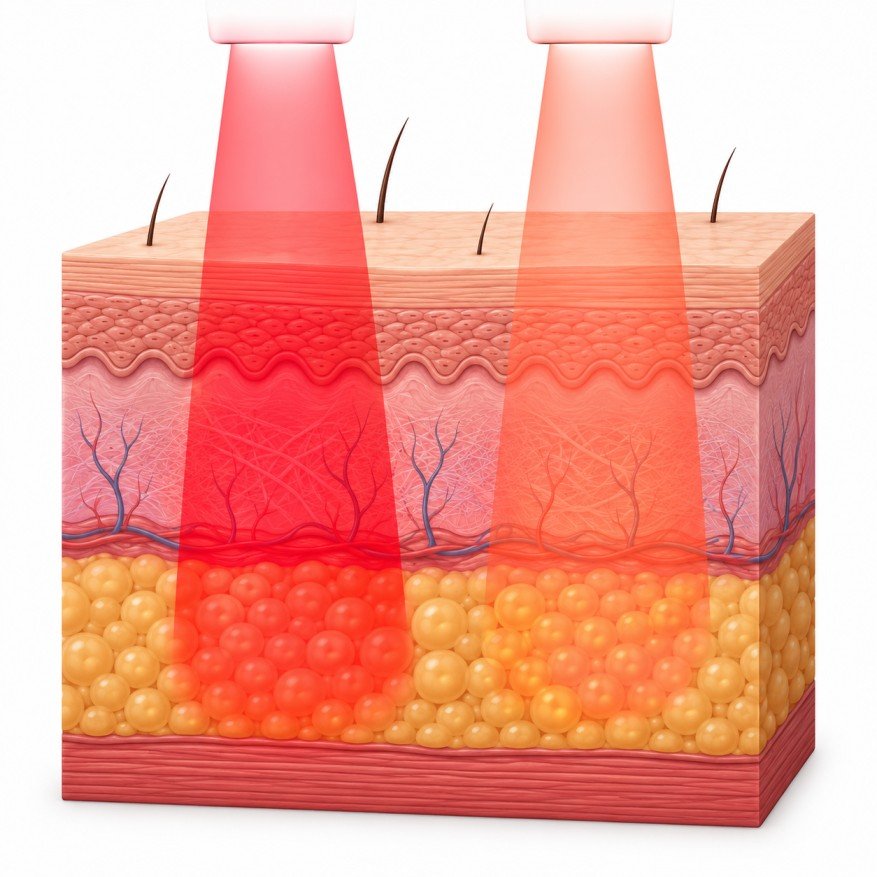
Red light therapy uses specific wavelengths of light, usually in the 630-680 nanometer range for red light and 800-880 nanometers for near-infrared, to penetrate the skin and reach the fat layer underneath, the same mechanism behind most red light therapy weight loss before and after results you’ll come across. You’ll see it marketed under names like photobiomodulation, low-level laser therapy, or LED body contouring, but it’s all the same core technology, just packaged differently depending on the clinic or device brand.
How Does It Work for Weight Loss?
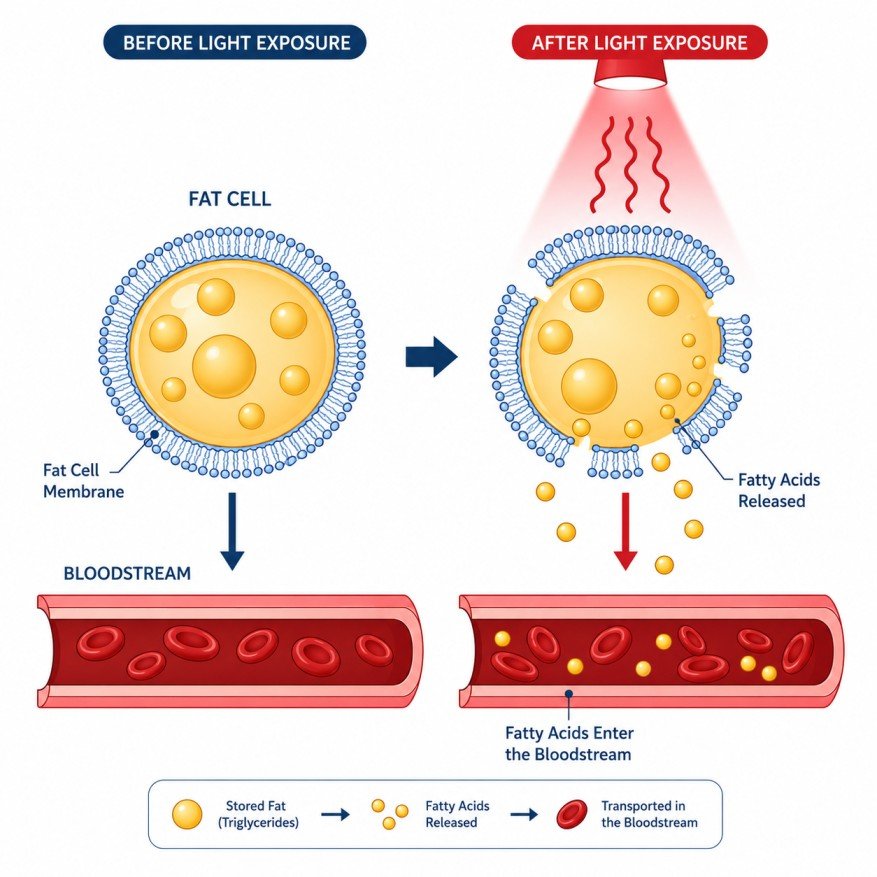
Here’s the mechanism, and this is the part most articles gloss over: the light triggers a temporary change in the fat cell membrane, making it more permeable. This allows stored fatty acids to leak out of the fat cell and into your bloodstream. Research reviewed by the National Strength and Conditioning Association supports this pathway as the leading explanation for the inch-loss results seen in clinical settings.
But here’s the honest part I want you to sit with: releasing fat from a cell isn’t the same as losing it. Once those fatty acids are in your bloodstream, your body either burns them for fuel or reabsorbs them back into fat storage. If you’re not in a calorie deficit or moving your body enough to actually use that released fat, you’re back where you started within a day or two. This is the single biggest thing that separates people who get real results from people who feel like they wasted their money.
A coaching observation worth sharing: in the clients I’ve guided through fat loss programs, the ones who added any kind of adjunct tool, whether that’s red light therapy, sauna sessions, or cold exposure, only saw it move the needle when they were already hitting roughly 80% adherence to their calorie target. Below that adherence threshold, the tool basically does nothing measurable. I’d treat that 80% mark as your personal go/no-go signal before spending money on a device.
Red Light Therapy Weight Loss Before and After: What the Research Actually Shows
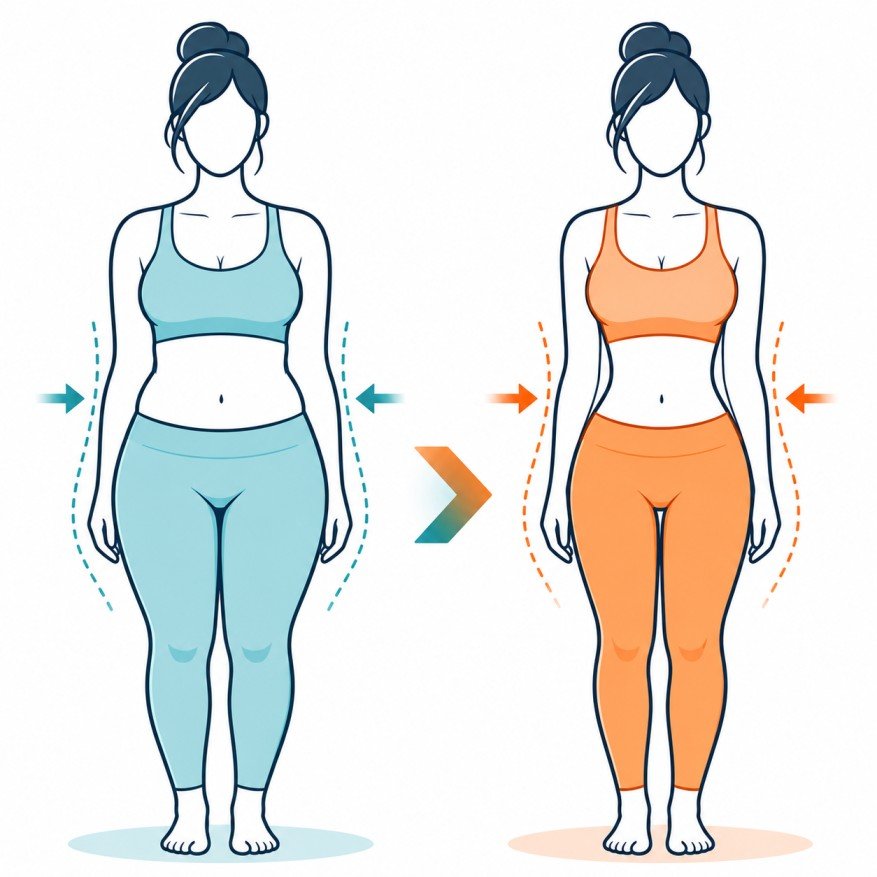
I’m not going to show you stock “after” photos of strangers, because those photos tell you nothing about your own results, and a lot of them are staged or edited anyway. What I can show you is what happens across real clinical protocols, which is far more useful for setting your own expectations.
| Protocol | Duration | Typical Reported Result |
|---|---|---|
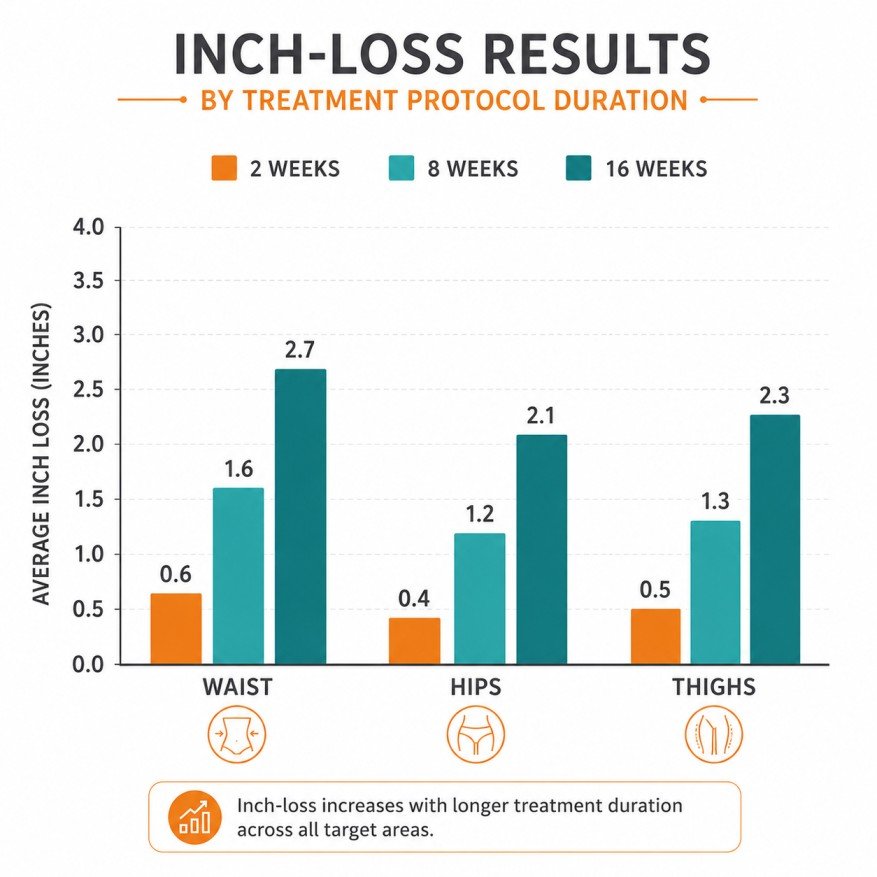
| 6 sessions, targeted areas | 2 weeks | Up to nearly 3 inches lost across waist, hips, and thighs (randomized controlled trial, 635nm light) |
| Single high-intensity session | One treatment | Up to 26% localized fat reduction reported (non-randomized study) |
| Consistent sessions + caloric deficit | 12-16 weeks | 2-4 inch circumference reduction, most durable results |
| Sessions without diet or exercise changes | Any duration | Minimal to no lasting change |
Notice the pattern. The best results in the research always involve someone doing the work on the input side too, eating in a deficit, training, staying consistent, while the light therapy supports the process.
It’s also worth noting that some industry claims, like a widely cited figure of 444% greater fat loss in treated areas when combined with exercise, come from small or non-randomized studies and marketing sources rather than robust clinical trials showing real red light therapy weight loss before and after results. I’d rather give you the conservative, well-supported numbers above than repeat a headline stat that won’t hold up under scrutiny.
Real Client Patterns
- Pattern A — Consistent user, deficit maintained: 3 sessions/week for 12 weeks, paired with a 500-calorie daily deficit. Reported outcome in similar protocols: 3-4 inches lost across waist and hips, most of it appearing after week 6.
- Pattern B — Inconsistent user, no deficit: Same device, same sessions, but no change to eating habits. Reported outcome in similar protocols: under 1 inch change, mostly attributable to water fluctuation rather than fat loss.
- Pattern C — Short-term high-intensity clinic user: 6 clinic sessions over 2 weeks at high irradiance. Reported outcome: nearly 3 inches lost short-term, though durability past 3 months wasn’t well tracked in the underlying studies.
Red Light Therapy Stomach Before and After: Targeting Abdominal Fat
The abdomen is one of the most studied areas for this treatment, partly because it’s easy to measure and partly because it’s the area most people care about most.
Specific Strategies for Stomach Fat Reduction
A published before-after case series specifically measuring abdominal girth found measurable reductions using combined red, infrared, and blue wavelength protocols. The strategy that shows up again and again in the research: focused sessions of 20-30 minutes directly over the abdominal area, done consistently, paired with a structured eating plan.
If you’re going to try this for stomach fat specifically, don’t skip the deficit. I’d rather you skip the device and just nail your nutrition than do the reverse. As I coach clients through this, the ones who treat red light therapy as their entire strategy almost always plateau within a few weeks, while clients who use it as one piece of a broader plan, something I outline in more detail in my complete guide to losing stomach fat, tend to stay consistent longer because they see steady progress on the scale and the tape measure at the same time.
Comparing Methods: Red Light vs. Other Fat Reduction Approaches
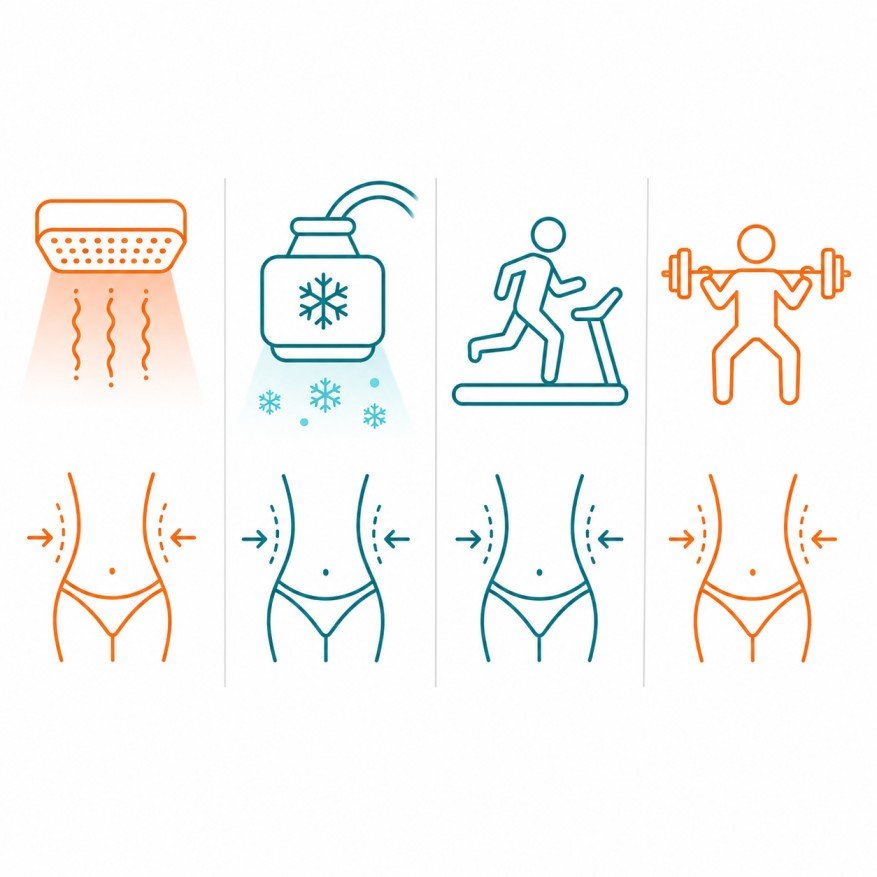
- Red light therapy vs. cardio: Cardio burns calories directly and improves cardiovascular health; red light therapy mobilizes fat but requires cardio or a deficit to actually use it.
- Red light therapy vs. cold sculpting (CoolSculpting): Cold sculpting permanently destroys fat cells in one session with more clinical backing for permanence; red light therapy is non-invasive, cheaper, repeatable, but results are more modest and less permanent.
- Red light therapy vs. strength training: Strength training builds the muscle that raises your metabolic rate long-term; red light therapy doesn’t build muscle.
- Red light therapy vs. a calorie deficit alone: A calorie deficit is the non-negotiable driver of fat loss regardless of any device. Red light therapy without a deficit is like trying to drain a pool while the tap is still running.
Red Light Therapy Belt Before and After
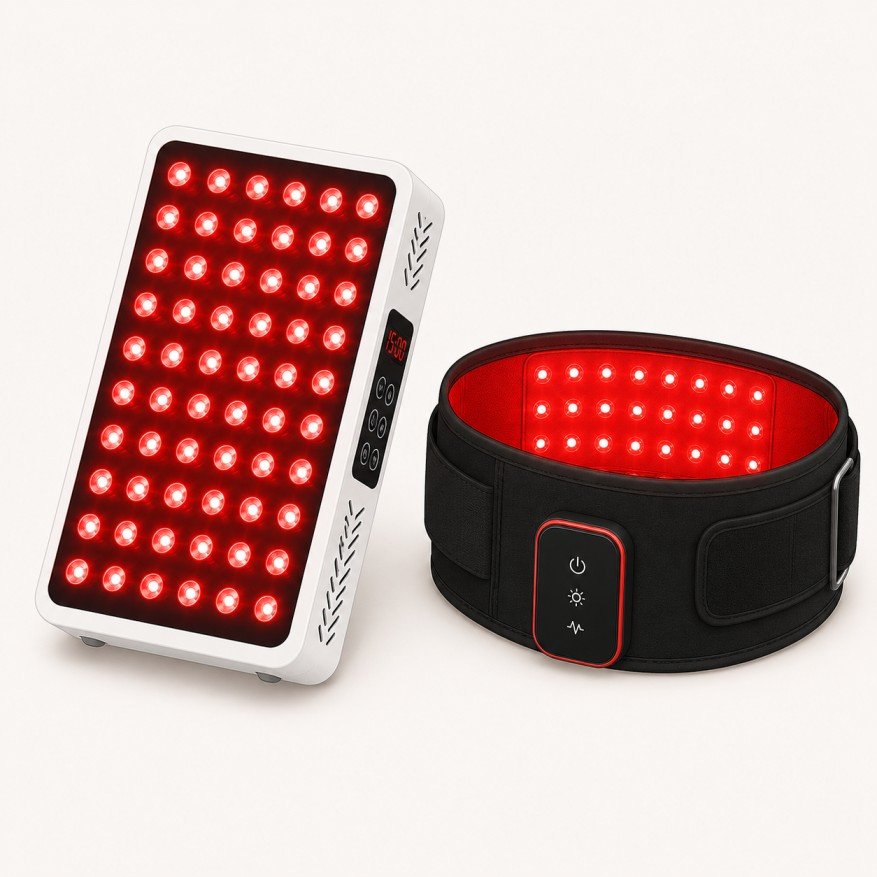
Belts have become popular because they’re convenient. You can wear one around your waist while doing chores or working at a desk.
Advantages of Using a Belt for Targeted Treatment
The main advantage is consistent, even skin contact across a curved area like your midsection, which panel devices can struggle with. The downside, and I’ll be straight with you here, is that most consumer belts deliver lower intensity than clinic-grade panels, which the research suggests need 100+ mW/cm² to reliably affect fat cell membranes. A weaker belt used consistently may still help, but don’t expect clinic-level results, the kind you’d see in real red light therapy weight loss before and after comparisons, from a budget belt used inconsistently.
User Experiences with Different Devices
In my coaching experience, panel users tend to report faster visible changes, while belt users report better long-term consistency simply because the belt fits into daily life more easily. Consistency usually wins over intensity if you have to choose.
How to Choose a Red Light Therapy Device
If you’re considering buying your own device instead of visiting a clinic, a few specs matter more than the marketing copy:
- Irradiance (intensity): Look for 100 mW/cm² or higher at treatment distance. Many budget devices don’t disclose this, which is itself a red flag.
- Wavelength: Confirm the device actually outputs in the 630-680nm and 800-880nm ranges rather than a generic “red light” claim.
- Treatment area size: A larger panel treats more surface area per session, which matters if you’re targeting the whole midsection rather than a small spot.
- Third-party testing: Devices with independent irradiance testing or FDA clearance for general wellness use tend to match their claims more closely than unverified imports.
Clinic sessions typically use stronger, professional-grade panels, so if budget allows, a handful of clinic sessions to confirm you respond well before investing in a home device isn’t a bad approach.
Is Red Light Therapy Safe? Who Should Be Cautious
Red light therapy is generally considered low-risk for most healthy adults, and unlike more invasive body contouring options, it doesn’t involve needles, heat damage, or downtime. That said, a few groups should check with a doctor first:
- People who are pregnant
- People with photosensitivity conditions or on medications that increase light sensitivity
- People with active skin cancer or a history of skin cancer in the treatment area
- People with epilepsy, since some devices use flickering or pulsed light settings
Mild, temporary redness at the treatment site is the most commonly reported side effect and typically resolves within a few hours.
Red Light Therapy Before and After Weight Loss Benefits
The Connection Between Therapy and Improved Body Composition
Beyond the direct fat-cell mechanism, red light therapy has been associated in small studies with improved lipid profiles, meaning better cholesterol and triglyceride markers, along with improved blood glucose and insulin response. These metabolic improvements can indirectly support a healthier body composition over time, separate from the direct inch-loss effect.
Additional Health Benefits Beyond Weight Loss
Red light therapy is also associated with improved circulation, which supports nutrient delivery and waste clearance during recovery, along with collagen and elastin production for skin quality. These are genuine, reasonably well-supported side benefits even if your main goal is body composition.
Weight Loss Red Light Therapy Before and After Cellulite Treatments
I want to be direct about this one because it’s where a lot of clinics oversell. While red light therapy has decent support for fat cell permeability and circumference reduction, the evidence specifically for cellulite appearance is weak, even when clinics show red light therapy weight loss before and after photos suggesting otherwise. If cellulite reduction is your main goal, I wouldn’t recommend spending money on this treatment expecting that specific outcome.
A Simple Framework for Realistic Results
If you decide to try red light therapy, here’s the framework I use when a client asks me about it:
- Set your calorie deficit first, before scheduling a single session. This is the part actually doing most of the work. My calorie deficit calculator can help you set that number accurately.
- Pick one or two target areas rather than spreading sessions thin across your whole body.
- Commit to 8-16 weeks minimum before judging results, since shorter windows rarely show meaningful change in the research.
- Track with a tape measure and photos every 2 weeks, not the scale alone, since inch loss can happen before scale weight moves.
- Pair sessions with movement on the same day when possible, since the research suggests mobilized fat is more likely to be used rather than reabsorbed.
Summary: Should You Try Red Light Therapy for Weight Loss?
Red light therapy is a legitimate support tool with real, if modest, research behind it, not a miracle fat-loss solution and not a scam either. The transformations that hold up, the real red light therapy weight loss before and after results, are the ones where someone paired consistent sessions with an actual calorie deficit and movement. If you’re already doing the fundamentals and want an edge, it’s reasonable to add. If you’re hoping it replaces the fundamentals, the research just doesn’t support that.
About the Author
I’m Saad, a certified fitness, fat loss, and nutrition coach and the founder of FitnessFlora. I write and research every article on this site myself, drawing on both my coaching certification and hands-on experience helping clients navigate fat loss methods, including newer technologies like red light therapy, which flood the market with more marketing than evidence.
My approach with every piece of content here is the same one I used in this article: look at what the actual clinical research supports, separate that from industry hype, and give you numbers and expectations you can actually trust. When the evidence is mixed or a claim is overstated, like the cellulite claims or the inflated 444% fat loss figure covered above, I say so directly rather than repeating whatever sounds best for selling a product.
I’m not a doctor, and nothing on this site replaces individualized medical advice. If you have an underlying health condition, are pregnant, or are considering a device-based treatment like red light therapy, check with a physician first. My role is to translate the research and coaching experience into practical, honest guidance so you can make your own informed decision.
FAQs
Where can I see red light therapy weight loss before and after pictures?
Many device brands and clinics publish before-and-after photos on their own websites, but treat these cautiously since lighting, posing, and editing can exaggerate results. The clinical studies referenced throughout this guide give a more reliable picture of realistic outcomes than marketing photos do.
Does red light therapy work for thighs specifically?
Yes, the thighs are one of the areas studied in the same research showing waist and hip reductions, since red light therapy protocols typically target the same broad lower-body and midsection areas together rather than isolating just one spot.
What are the benefits of red light therapy on the stomach beyond weight loss?
Beyond potential fat and inch reduction, red light therapy on the stomach area has been associated with improved circulation, mild skin tightening from increased collagen production, and reduced local inflammation, though these secondary benefits are generally better supported than the fat-loss claims themselves.
What does a realistic red light therapy stomach before and after timeline look like?
Based on the clinical protocols covered above, most people who see measurable abdominal circumference changes do so after 6 or more sessions over 2 weeks, with more noticeable results building over 8 to 16 weeks when paired with a calorie deficit.
Are red light therapy before and after photos usually accurate?
Some are, but many published photos come from brands with a financial interest in showing dramatic results, so lighting, angle, and even brief water weight fluctuations can make results look more dramatic than they are. Rely on your own tape measure and photo tracking over several weeks instead of comparing yourself to someone else’s marketing photo.
What should I look for in the best red light therapy device for weight loss at home?
Focus on irradiance of at least 100 mW/cm² at treatment distance, confirmed wavelengths in the 630-680nm and 800-880nm ranges, and independent testing or FDA clearance for general wellness use, rather than choosing based on price or marketing claims alone.
What do people say about red light therapy weight loss results on forums like Reddit?
Anecdotal reports online tend to echo the clinical research: people who combine sessions with a calorie deficit and consistent exercise report noticeable inch loss over several weeks, while people using it as a standalone method more often report disappointment. Treat any individual forum post as one data point rather than proof of what to expect.
What is the best red light therapy approach for belly fat?
The most evidence-supported approach combines focused 20-30 minute sessions directly over the abdominal area, done 2-3 times per week for at least 8 to 16 weeks, alongside a structured calorie deficit, rather than relying on any single “best” device to do the work alone.