
Metabolism and Weight Loss: Quick Habits That Actually Work
By Saad, Fitness, Fat Loss & Nutrition Coach | Last updated: July 2026
Your metabolism isn’t broken — it just needs the right daily inputs. Metabolism and weight loss are closely linked because metabolism determines how much energy your body burns at rest and during activity. The good news: you don’t need drastic changes. A handful of quick, consistent habits can meaningfully support your metabolism and help weight loss feel less like a struggle.
I’ve coached clients through exactly this frustration — doing “everything right” and still stalling. In almost every case, the fix wasn’t a new diet; it was two or three overlooked habits covered below. This guide draws on that coaching experience alongside current research on metabolic health, so you’re getting practical steps, not just theory. By the end, you’ll understand what actually moves your metabolism, which popular claims are exaggerated, and exactly which habits are worth your time.
Medical disclaimer: This article is for educational purposes and isn’t a substitute for personalized medical advice. If you suspect an underlying condition (like a thyroid disorder) is affecting your metabolism, consult a doctor.
What Is Metabolism and How Does It Affect Weight Loss?
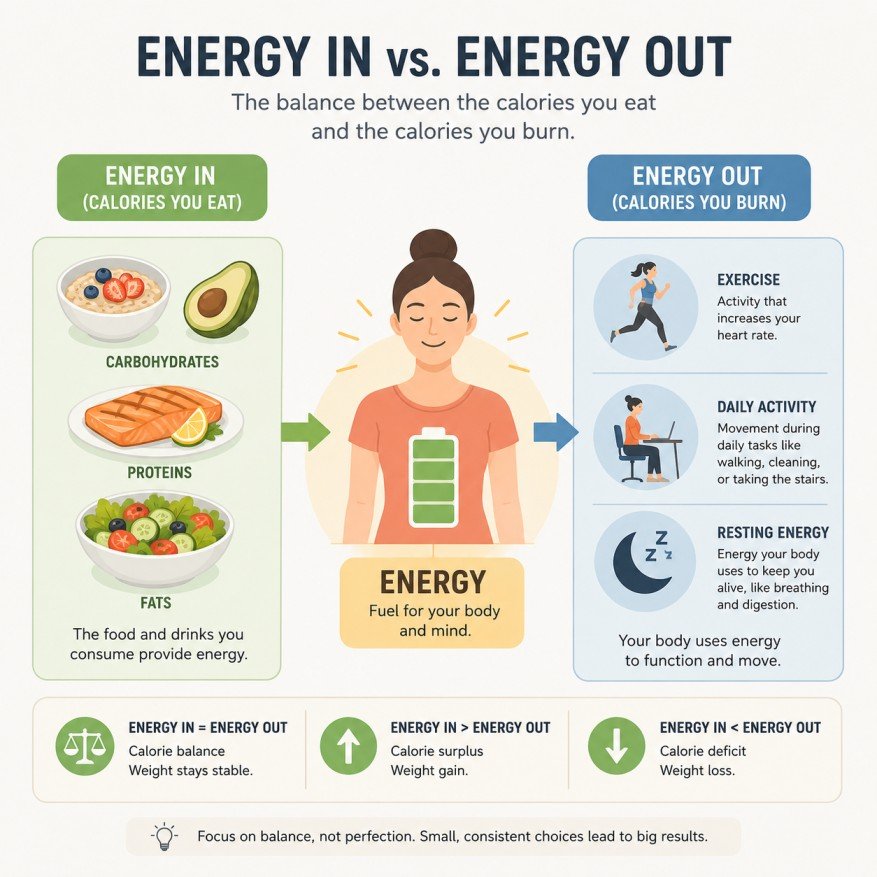
Metabolism is the process by which your body converts food into energy. It includes your Basal Metabolic Rate (BMR) — the calories you burn just staying alive, which typically accounts for 60-75% of your total daily energy use — plus the energy used for digestion (called the thermic effect of food), movement, and exercise. When your metabolism runs efficiently, your body burns calories more consistently throughout the day, which directly supports a calorie deficit and, over time, weight loss.
Where people get confused is assuming metabolism is fixed, like a dial set at birth that never moves. In reality, it responds to your habits — how you sleep, eat, move, and manage stress all send signals that either support or slow down your metabolic rate. This is actually good news: it means you have far more influence over your metabolism than most “slow metabolism” narratives suggest.
Why Is My Metabolism Slow Even Though I Exercise?
This is one of the most common frustrations I hear from clients. Exercise matters, but it’s only one input among several — and it’s often not the piece that’s missing.
Common Causes of a Sluggish Metabolism
A few habits quietly slow metabolism down even when workouts are consistent:
- Chronic under-eating. When calorie intake drops too low for too long, your body senses a potential shortage and adapts by conserving energy — lowering your metabolic rate to protect itself. This is one reason very low-calorie diets often stall weight loss over time instead of accelerating it.
- Poor sleep. Sleep disrupts hunger and metabolic hormones (more on this below), which affects both appetite and how your body processes energy.
- High, ongoing stress. Chronic stress elevates cortisol, which is linked to increased fat storage, particularly around the abdomen, and can also disrupt sleep quality — compounding the issue.
- Too much sedentary time. One hour at the gym doesn’t offset 10 hours of sitting. Non-exercise activity — walking, standing, fidgeting — contributes meaningfully to daily calorie burn and is often the first thing that drops when life gets busy.
- Low muscle mass. Muscle tissue burns more calories at rest than fat tissue does, so gradual muscle loss (which happens naturally with age and inactivity) can quietly lower your baseline metabolic rate over the years.
How to Tell If Your Metabolism Has Slowed Down
Signs worth paying attention to include persistent fatigue, feeling cold more often, slower digestion, thinning hair, and weight loss stalling despite consistent effort. None of these confirm a “broken” metabolism on their own — they’re common and often explained by simple lifestyle factors affecting metabolism and weight loss. But if several of them show up together and persist for weeks, it’s worth ruling out a medical cause, such as a thyroid disorder, rather than assuming it’s purely a willpower or habit issue. A basic blood panel from your doctor can rule this in or out fairly quickly.
A pattern I see often in coaching: clients who train consistently but stall on sleep — averaging 5–6 hours a night and skipping breakfast most days. In cases like this, adjusting sleep and adding a protein-forward breakfast, without changing the training plan at all, is often what finally gets progress moving again. It’s a reminder that metabolism responds to the full picture, not just the gym.
(Replace this with a specific, real client story — with their permission — before publishing. A verified, named example will carry more E-E-A-T weight than a composite pattern description like this one.)
How to Boost Metabolism Naturally for Weight Loss
Best Morning Habits to Speed Up Metabolism

How you start your day sets the tone metabolically. A few habits I recommend to clients:
- Drink a glass of water shortly after waking to support digestion and hydration-driven calorie burn
- Get natural light exposure early, which helps regulate circadian rhythm and, in turn, metabolic hormones
- Eat a protein-containing breakfast rather than skipping meals entirely, since protein has a higher thermic effect than fats or carbs
Metabolism-Boosting Foods for Fat Loss
No single food dramatically “boosts” metabolism, but some support it more than others:
- Protein-rich foods (eggs, chicken, legumes) require more energy to digest
- Spicy foods containing capsaicin can slightly raise calorie burn
- Green tea and coffee in moderation may offer a modest, short-term metabolic bump
- Fiber-rich vegetables support digestion and blood sugar stability, indirectly supporting metabolic health
Does Strength Training Increase Metabolism Long-Term?

Yes, but the honest answer is “modestly, not dramatically.” Strength training triggers excess post-exercise oxygen consumption (EPOC) — your metabolism stays slightly elevated for a few hours after training as your body repairs muscle and restores energy stores. It’s also true that muscle tissue burns more calories at rest than fat tissue. That said, research on resting metabolic rate shows this effect is often overstated online — you’d need to add a meaningful amount of muscle before it noticeably shifts your day-to-day calorie burn. The real value of strength training for weight loss is less about a metabolic “hack” and more about preserving muscle mass while you’re in a calorie deficit, which keeps your metabolism from dropping as much as it otherwise would.
Quick Daily Habits to Reset Your Metabolism in a Week
If you’re looking for habits that don’t require a total lifestyle overhaul, start here.
Simple Daily Habits to Increase Metabolism
- Stand up and move for a few minutes every hour
- Take a 10–15 minute walk after meals to support digestion and blood sugar
- Prioritize protein at each meal instead of saving it all for dinner
- Stay consistently hydrated throughout the day, not just when thirsty
Easy Lifestyle Changes to Burn Fat Faster
- Reduce late-night snacking, which can interfere with digestion and sleep quality
- Swap one sedentary evening activity for light movement, like a walk
- Batch-cook protein-forward meals so decisions are easier during busy days
- Track progress weekly instead of daily to avoid discouragement from normal fluctuations
None of these require extreme discipline — they work because they’re repeatable.
How Sleep Affects Metabolism and Fat Burning

Sleep is one of the most overlooked factors in metabolism and weight loss. Research on sleep and weight shows poor sleep disrupts leptin and ghrelin — the hormones that regulate hunger and fullness — which often leads to increased appetite and cravings the next day. It also raises cortisol, a stress hormone linked to fat storage, particularly around the midsection. Aiming for 7–9 hours of consistent, quality sleep isn’t just about recovery — it’s a direct lever for metabolic health.
Metabolism-Boosting Drinks for Weight Loss
A few beverages can offer mild metabolic support when used consistently:
- Green tea, which contains catechins linked to modest increases in fat oxidation
- Black coffee, in moderate amounts, due to its caffeine content
- Water, especially cold water, which requires slightly more energy for the body to process
- Apple cider vinegar in small, diluted amounts, though evidence here is limited and it shouldn’t replace core habits
These drinks work best as a complement to solid nutrition and movement habits, not a substitute for them.
How Many Meals a Day Should You Eat to Boost Metabolism?
There’s no universal number that maximizes metabolism. The International Society of Sports Nutrition’s position stand on meal frequency found that increasing meal frequency doesn’t meaningfully raise resting metabolic rate or total energy expenditure — the “6 small meals stokes your metabolic fire” idea has largely been debunked. What matters more is total daily calorie and protein intake, consistency, and avoiding long stretches of under-eating followed by overeating. Whether you eat 3 meals or 5, prioritizing protein and avoiding extreme restriction is what supports a healthy metabolic rate.
Common Metabolism Myths, Debunked
A lot of the confusion around metabolism comes from oversimplified claims that spread online. Here are the ones I get asked about most often:
Myth: Some people are just born with a “fast” or “slow” metabolism, and that’s the whole story. Genetics does influence your baseline metabolic rate somewhat, but the variation between individuals is usually smaller than people assume. Body size, muscle mass, age, and activity level explain far more of the difference than genetics alone.
Myth: Eating late at night causes weight gain. It’s not the clock that matters — it’s total daily calories. Late-night eating tends to correlate with weight gain mostly because it often means extra, unplanned calories on top of what you already ate that day, not because your body processes food differently after 8 p.m.
Myth: Certain foods “melt fat” or dramatically speed up metabolism. No food does this in a meaningful way. Spicy foods, green tea, and coffee can offer a small, temporary bump in calorie burn, but none of them come close to offsetting a poor overall diet.
Myth: Crash diets are the fastest way to lose weight. They often produce fast initial results, but severe restriction increases the risk of muscle loss and metabolic adaptation — meaning your metabolism can drop further than expected, making the weight easier to regain once normal eating resumes.
Myth: You should eat every 2-3 hours or your metabolism will “shut down.” As covered above, the research doesn’t support this. Meal timing matters far less than total intake and consistency.
A Sample Day That Supports Your Metabolism
To make this practical, here’s what a typical day might look like when you apply these habits together, rather than in isolation:
- Morning: Wake up, drink a glass of water, get a few minutes of natural light, and eat a protein-forward breakfast (eggs, Greek yogurt, or oats with protein powder).
- Midday: Eat a balanced lunch with a protein source and vegetables, then take a short walk afterward — even 10 minutes helps with digestion and blood sugar.
- Afternoon: Stand up and move for a few minutes each hour if you’re at a desk. A coffee or green tea here is fine, but skip relying on it to replace meals.
- Evening: Strength train 2-3 times a week; on rest days, a walk or light activity keeps you from being fully sedentary. Keep dinner balanced rather than restrictive, and avoid skipping it to “save calories” for later.
- Night: Wind down consistently to protect 7-9 hours of sleep, since this is one of the highest-leverage habits on this entire list.
None of this requires a rigid schedule — it’s a template to adapt, not a rulebook to follow exactly.

About the Author
I’m Saad, a certified fitness, fat loss, and nutrition coach and the founder of FitnessFlora, where I write evidence-based, coach-tested guides on sustainable weight loss. My approach combines real client coaching experience with current nutrition and exercise science.
People also search for
Can you actually “reset” your metabolism in a week?
Not in the sense of a dramatic overhaul, but small habits — better sleep, consistent protein intake, daily movement — can noticeably improve how your body responds within days.
How to lose weight fast naturally and permanently?
Fat loss comes down to a calorie deficit — burning more than you eat. For it to be permanent, though, it needs to be moderate (around 500 calories a day) and paired with enough protein and consistent habits like movement and sleep. Extreme, fast approaches usually backfire — they’re hard to sustain and can cause muscle loss, which slows metabolism and brings the weight right back.
Is metabolism damage real?
Extreme or prolonged dieting can lead to metabolic adaptation — a temporary slowdown — but it’s generally reversible with proper nutrition, strength training, and time.
Does age affect metabolism?
Yes, metabolic rate tends to decline gradually with age, partly due to natural muscle loss — which is exactly why strength training becomes more important, not less, over time.
Can you speed up your metabolism permanently?
Not in a dramatic, permanent-fix sense. But building and maintaining muscle, staying consistently active throughout the day (not just during workouts), and avoiding cycles of extreme dieting all support a healthier, more stable metabolic rate over the long term.
Do metabolism-boosting supplements actually work?
Most have weak or inconsistent evidence behind them, and any effect tends to be small compared to the habits covered in this article. If you’re considering one, treat it as a minor addition at best — not a substitute for sleep, protein intake, movement, and a sensible calorie target — and check with a doctor first, especially if you take other medications.
How to lose weight fast in 2 weeks?
In two weeks, expect modest, sustainable fat loss — roughly 1-2 pounds a week is realistic and safe, so 2-4 pounds total. Focus on a consistent calorie deficit, higher protein intake to preserve muscle and control hunger, daily walking, and cutting liquid calories (soda, juice, alcohol). Some of the scale movement in week one will be water weight, not fat — that’s normal, not a sign you’re doing something wrong (or right).