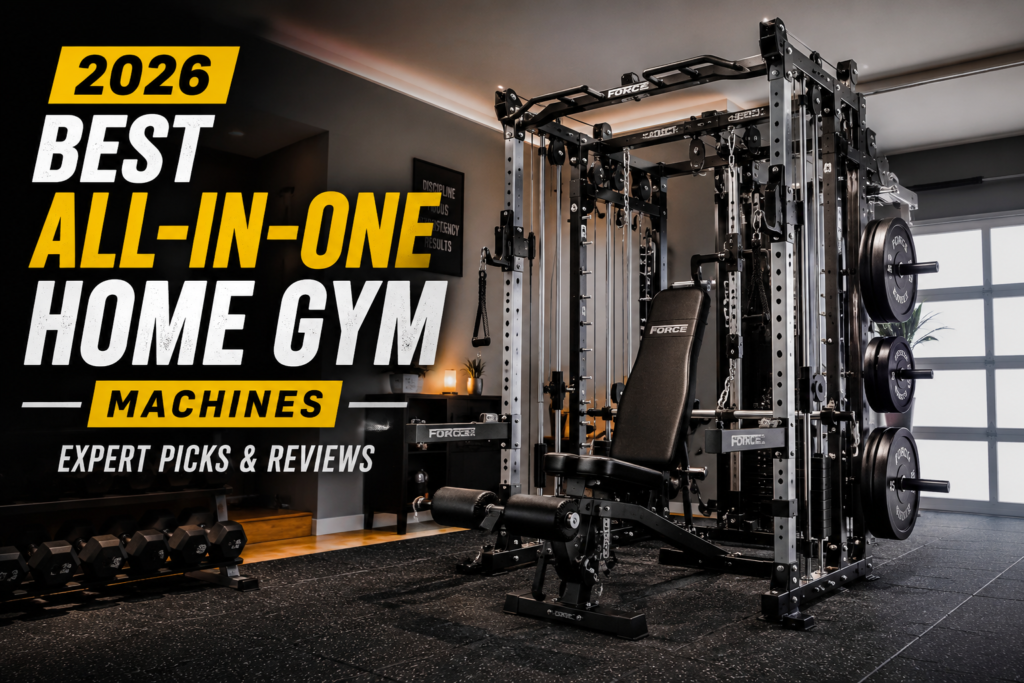
Discover the Best All in One Home Gym: Transform Your Fitness Routine Today
The best all in one home gym lets you train your entire body — chest, back, legs, arms, and core — from a single machine in your own space. Top picks include the Force USA G10, Bowflex Xtreme 2 SE, and Marcy Smith Machine Combo. Prices range from $500 to over $4,000 depending on features, weight capacity, and build quality.
Why Is a Home Gym Worth the Investment?
Let me be honest with you — I resisted buying a home gym for years. I told myself the commercial gym had everything I needed. Then life happened: unpredictable work hours, expensive monthly memberships, and gym commutes eating 45 minutes out of every workout day. Sound familiar?
According to the International Health, Racquet & Sportsclub Association (IHRSA), the average American gym membership costs between $40–$70 per month — that’s up to $840 a year. Over five years, you have spent over $4,000 and still own nothing. The best all in one home gym pays for itself within two to three years, and it is available 24/7, no commute required.
The COVID-19 pandemic accelerated the home fitness trend dramatically. A 2021 report by Allied Market Research projected the global home fitness equipment market would reach $14.7 billion by 2028. A survey by RunRepeat found that 64% of gym-goers who purchased home equipment during 2020–2021 continued using it consistently even after commercial gyms reopened.
The question is no longer whether investing in the best all in one home gym is worth it. It is which one is right for you.
What Exactly Is an All-in-One Home Gym?
An all-in-one home gym (also called an all-in-one gym machine or multi-station home gym) is a single piece of resistance training equipment that replaces multiple individual machines. Instead of needing a separate cable machine, lat pulldown station, leg press, and Smith machine, one unit handles all of them.
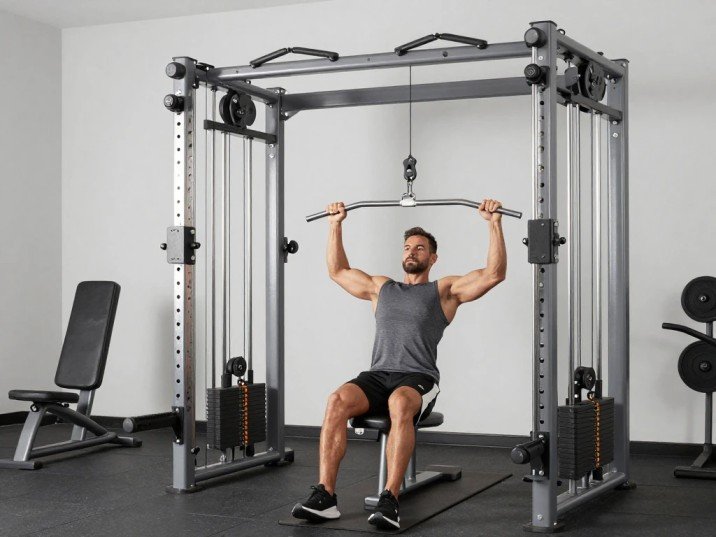
A complete all-in-one home gym combines multiple workout stations built on a power rack foundation — typically including a Smith machine, functional trainer, chin-up bar, landmine attachment, lat pulldown, low row, and dip handles — all in one footprint.
At the basic end, you get two to three exercise stations. At the premium end, machines like the Force USA G10 or Tonal offer 20+ exercise configurations and integrated weight systems.
Think of it this way: a standard commercial gym might have 30 pieces of equipment taking up 2,000 square feet. A premium all-in-one home gym fits in a 10×10 foot space and covers 80–90% of those same exercises.
What Types of All-in-One Gym Equipment Are Available?
Not all all-in-one machines are the same. Understanding the categories helps you match the right type to your actual goals.
Cable / Functional Trainer Systems
These use weight stacks and adjustable pulleys to mimic nearly every cable machine exercise you find in a commercial gym. They are excellent for resistance training, shoulder work, chest flyes, rows, and core rotation exercises. Brands like Force USA and Inspire Fitness dominate this category.
Smith Machine Combo Units
A Smith machine with an integrated cable system, lat pulldown, and sometimes a leg press attachment. These are among the most popular all-in-one gym machine formats for serious lifters. The Marcy Smith Machine Cage and Force USA G3 are strong examples in this space.
Selectorized Multi-Station Gyms
These traditional all-in-one machines use a weight stack with a pin selector and multiple cables. Bowflex, BodyCraft, and Marcy all produce solid selectorized multi-station home gyms in this category. Great for beginners and intermediate lifters.
Smart / Digital Home Gyms
Tonal, Tempo, and Speediance represent the new wave — digital resistance systems with built-in screens, AI coaching, and app-connected programming. Higher price tag, but they offer guided workouts and automatic resistance adjustment.
Bodyweight / Suspension Systems
For those who want a body weight gym machine option, units like the TRX Home2 System or dedicated pull-up/dip stations fall here. These are the most affordable and space-efficient but limited in loading capacity for heavy strength work.
What Are the Real Benefits of Owning an All-in-One Home Gym?
Space Efficiency
A standard home gym setup with separate barbell rack, cable machine, and leg press can consume 200–300 square feet. A quality all-in-one gym machine typically fits in 35–80 square feet. For apartment dwellers, basement home gyms, or anyone with limited square footage, this is a game-changer.
I have coached dozens of clients who assumed they needed a dedicated room. In reality, a standard 8×10 foot spare bedroom is more than enough for most all-in-one gym equipment options.
Cost-Effectiveness
Individual commercial-grade machines can cost $1,000–$3,000 each. A single Smith machine, cable station, lat pulldown, and leg press purchased separately would run $5,000–$10,000. A comparable all-in-one gym machine typically costs $1,500–$4,000 and includes all four functions.
On top of that, you eliminate monthly membership fees of $500–$840 per year, travel costs, and the time lost commuting to and from a commercial gym.
Versatility of Workouts
A quality all-in-one exercise machine supports compound movements like squats, deadlifts, and presses, as well as isolation work like curls, tricep pushdowns, and lateral raises. This covers upper body pushing, upper body pulling, lower body training, core work, and functional movement patterns — making it suitable for fat loss, muscle building, athletic performance, and general fitness, not just one narrow goal.
What Features Should You Look For Before Buying?
Weight Machine Quality and Stack Size
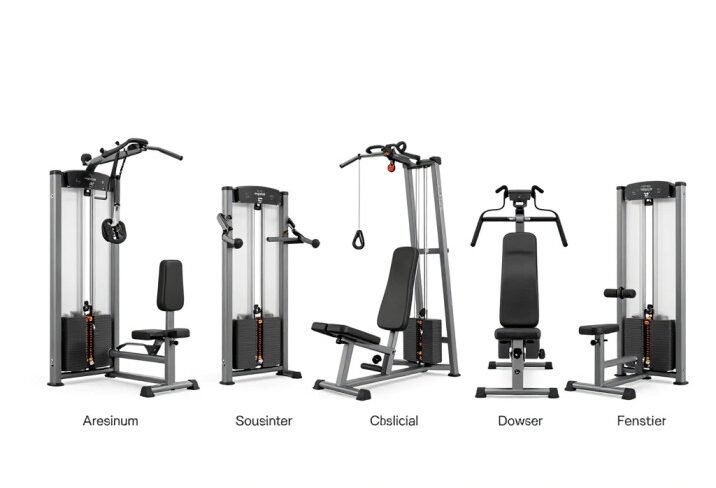
The weight stack determines how challenging your workouts can get. Beginners may start fine with a 150 lb stack, but intermediate and advanced lifters typically need 200–300 lbs. Some machines like the Force USA G10 use independent dual 165 lb stacks on each side for a combined 330 lbs of total resistance. Look for smooth cable movement with quality bearings, multiple adjustment points, anti-friction nylon guide rods, and secure weight stack covers.
Build Material and Frame Gauge
Steel gauge determines longevity and wobble-free use. Look for 11-gauge or thicker steel on the main frame. Cheaper machines use 14-gauge steel, which flexes under heavy loads and shortens the machine’s lifespan significantly. Powder-coated steel resists rust and scratches better than painted steel, which matters especially for garage or basement setups with humidity fluctuations.
Weight Capacity
This is often overlooked until it is too late. Each station on the best all in one home gym has its own rated capacity. The Smith machine bar itself may handle 600–1,000 lbs, but the pull-up bar might only be rated to 300 lbs. Check every station individually, not just the overall machine rating.
Body Weight Exercise Machine Options
The best all in one home gym equipment integrates bodyweight exercise options including a chin-up and pull-up bar, dip handles or dip station, core training attachments, and ideally a suspension trainer anchor point. These allow you to supplement pure weight-machine training with bodyweight exercises that improve functional strength and movement quality.
Resistance Training Equipment Attachments
What attachments are included matters almost as much as the machine itself. High-quality machines typically include a straight bar, EZ curl bar, D-handles, ankle strap, lat pulldown bar or V-bar, and a rope attachment. Budget machines often include two or three low-quality attachments. Premium machines include eight to twelve attachments and allow third-party cable attachment compatibility.
Multi-Station Home Gym Configuration
How many simultaneous users can the machine support? If you work out with a partner, a dual-station design with independent cable systems on each side allows two people to train at the same time without adjusting weights between sets. Force USA’s G-series and BodyCraft’s multi-station units are specifically designed for two concurrent users.
What Are the Best All-in-One Home Gyms on the Market?
Here is my honest breakdown of the top all-in-one home gym options in 2026, based on hands-on research, user reviews, and competitive analysis.
Best Overall: Force USA G10 All-In-One Trainer
Price: ~$3,999 | Space: ~8 ft x 6 ft | Weight Capacity: 1,000 lbs Smith + dual 165 lb stacks
The Force USA G10 is widely considered the benchmark for the best all in one home gym equipment on the market. It combines a Smith machine, dual cable pulley functional trainer, power rack, lat pulldown, low row, landmine, dip station, chin-up bar, and leg attachment — all in one unit.
What sets it apart is the independent dual weight stack system. Each cable arm runs off its own 165 lb weight stack, meaning you can do a cable fly with asymmetric resistance or have two people training simultaneously. The Smith machine bar travels on precision linear bearings, making it one of the smoothest in this category.
Who it is best for: Serious lifters, intermediate to advanced athletes, and multi-person households who want commercial-quality training at home.
Pros: 11-gauge steel frame built to last decades, Smith machine and functional trainer in one unit, 1,000 lb Smith bar capacity, landmine, low row, lat pulldown and dip station all included, and extensive attachment compatibility.
Cons: High price point around $4,000, assembly takes 4–8 hours, and the footprint requires an 8×10 ft dedicated space.
If you are serious about building strength at home and want the best all in one home gym that matches what you would find in a professional facility, the G10 is the clearest answer in this price range.
Best Full Body Workout Machine for Home: Bowflex Xtreme 2 SE
Price: ~$1,199 | Space: 6.5 ft x 3.5 ft | Weight Capacity: 210 lbs
The Bowflex Xtreme 2 SE remains one of the best-selling all-in-one exercise machines for home use. It uses Bowflex’s proprietary Power Rod resistance technology — flexible composite rods that create variable resistance — rather than traditional weight stacks.
The result is a quieter, joint-friendlier feel during exercises. The machine supports over 70 exercises targeting chest, back, shoulders, arms, legs, and core. The compact footprint makes it one of the few options that genuinely fits in a spare bedroom or apartment.
Who it is best for: Beginners to intermediate lifters, anyone with limited space, and those prioritizing joint-friendly resistance.
Pros: Under $1,200, very compact footprint, smooth and quiet resistance, no weight plates needed, and a 7-year frame warranty.
Cons: 210 lb max resistance limits advanced strength work, no Smith machine or leg press, Power Rods feel different from free weights, and the lat pulldown requires a separate attachment purchase.
Best Home Gym with Leg Press: Marcy Smith Machine Cage SM-4008
Price: ~$1,299 | Space: 7.5 ft x 4.5 ft | Weight Capacity: 600 lbs Smith + 150 lb stack
If leg press is non-negotiable for you, the Marcy SM-4008 delivers. This best all in one home gym option for lower body training combines a Smith machine with a built-in high/low pulley cable system, leg developer, and preacher curl station. The integrated leg press capability makes it a legitimate lower body training option that most cable-only machines cannot replicate.
The Smith machine uses standard Olympic plates, giving you freedom to load as heavy as your strength allows without purchasing separate weight stacks.
Who it is best for: Anyone prioritizing lower body training, powerlifters who want Smith machine press work, and lifters on a mid-range budget.
Pros: Integrated leg press rare in this price range, Olympic plate-loaded Smith machine, built-in preacher curl pad, 600 lb Smith bar capacity, and lower price than comparable dual-function machines.
Cons: 150 lb cable stack limits upper body pulling variety, fewer attachments included than premium competitors, and the cable system is not as smooth as dedicated functional trainers.
For anyone who wants the best all in one home gym that covers serious lower body work without jumping into the $3,000+ price range, the Marcy SM-4008 is one of the strongest value options available today.
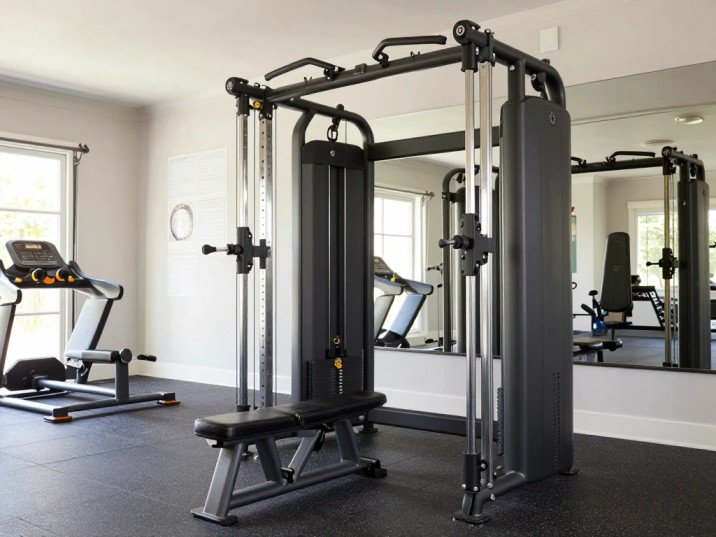
Best All-in-One Fitness Machine (Smart/Digital): Tonal
Price: ~$3,495 + $49/month | Space: Wall-mounted, ~6 ft x 2 ft footprint
Tonal represents a completely different category of all-in-one home gym. Instead of weight stacks or plates, it uses electromagnetic resistance — digital motors that generate up to 200 lbs of resistance on each arm simultaneously with 0.25 lb increments. The machine mounts to your wall with zero floor footprint and includes a 24-inch HD touchscreen with AI-powered coaching that automatically adjusts resistance based on your performance.
Who it is best for: Tech-forward athletes, busy professionals who want guided workouts, and people who prefer clean aesthetics and minimal space usage.
Pros: Wall-mounted with zero floor footprint, AI coaching that adjusts resistance automatically, automatic rep and set tracking, built-in form feedback, and over 200 guided workout programs.
Cons: Requires $49/month subscription for full features, 200 lb max per arm limits advanced powerlifters, wall mounting requires structural anchoring, and the total cost over 2–3 years is high when the subscription is factored in.
Best Budget All-in-One Gym Machine: Weider Pro 6900
Price: ~$499 | Space: 7 ft x 4 ft | Weight Capacity: 214 lbs
If budget is your primary constraint, the Weider Pro 6900 is the most affordable best all in one home gym option that covers the basics without breaking the bank. It includes a high and low pulley cable system, leg developer, butterfly arms, and preacher curl pad. It is not a machine you will use for the rest of your life, but for beginners building a habit and testing home training before a larger investment, it is a respectable starting point.
Pros: Affordable, covers major muscle groups, good for beginners.
Cons: Low weight stack, less durable frame, limited progression ceiling.
If you are not ready to commit to a $1,000+ investment just yet, the Weider Pro 6900 gives you a genuine taste of what training on the best all in one home gym feels like — without the financial risk of going all in on day one.
Quick Comparison: Top All-in-One Home Gyms at a Glance
Force USA G10 — ~$3,999 — Smith + Functional Trainer — 1,000 lb Smith / 330 lb stacks — Best for serious lifters
Bowflex Xtreme 2 SE — ~$1,199 — Power Rod Cable — 210 lbs — Best for beginners and small spaces
Marcy SM-4008 — ~$1,299 — Smith + Cable + Leg Press — 600 lb Smith / 150 lb stack — Best for leg press priority
Tonal — ~$3,495 + sub — Digital/Smart — 200 lbs per arm — Best for tech-forward athletes
Weider Pro 6900 — ~$499 — Selectorized Multi-Station — 214 lbs — Best for budget beginners
How Do You Choose the Right All-in-One Home Gym for You?
Here is the framework I use when coaching clients through this decision.
Step 1: Define Your Primary Training Goal
Fat loss and conditioning means you need cable variety, not necessarily heavy loading. A Bowflex or mid-range functional trainer works well. Light-to-moderate resistance with high rep ranges drives the calorie burn you are after.
Muscle building requires a machine that allows progressive overload to 200+ lbs across cable movements. The Force USA G3 or G10 is ideal, and Smith machine access is a bonus for compound pressing.
Strength and powerlifting means you need a Smith machine with Olympic plate compatibility and high weight capacity. The Marcy SM-4008 or Force USA G series fit this goal.
General fitness is covered by almost any machine in the $800–$1,500 range.
Step 2: Measure Your Space First
Before you look at a single machine, measure your available space. Record both the floor area and ceiling height. Smith machine combo units often exceed 7–8 feet in height. Lat pulldown stations frequently require 7.5+ foot ceilings.
Compact cable and functional trainers need a minimum of 6 ft x 4 ft. Smith machine combos need 8 ft x 5 ft. Full all-in-one trainers like the Force USA style need 10 ft x 8 ft.
Step 3: Set a Realistic Budget
$400–$800 covers entry-level machines acceptable for total beginners, with limited longevity and resistance range.
$800–$1,500 is the mid-range that covers 80% of users. Bowflex, Inspire, and entry Force USA products sit here with good durability and solid resistance range.
$1,500–$3,000 is for serious home training with multi-station Smith and cable setups that will last 10–15 years with proper care.
$3,000–$5,000+ delivers commercial-grade quality at home. The Force USA G10 and REP Fitness FT-200 are essentially what you find in a professional training facility.
Step 4: Check Warranty and After-Sales Support
Frame warranties range from 1 year on budget brands to lifetime on Force USA and REP Fitness. Cable and pulley warranties typically run 2–5 years. Avoid any machine with less than a 2-year frame warranty unless you are on an extreme budget.
Step 5: Read Real User Reviews, Not Just Specs
Manufacturer specs can be misleading. A 300 lb stack might mean 150 lbs of functional resistance per arm after cable ratio reduction. Always look at independent reviews on sites like Garage Gym Reviews, BarBend, and Reddit’s r/homegym for unfiltered user experiences.
How Much Space Do You Actually Need?
This is the number-one question I get from people considering their first all-in-one home gym purchase, and the answer is almost always: less than you think.
A spare bedroom at 10×10 ft fits any compact-to-mid-range all-in-one machine with room to move around all sides, and is adequate for Bowflex, Inspire FT1, or a Marcy Smith machine.
A single-car garage at roughly 12×20 ft fits premium machines like the Force USA G10 with room for a bench, dumbbell rack, and cardio equipment alongside it.
A basement varies, but check ceiling height first. If it is under 7.5 feet, avoid Smith machine combos with overhead bars.
An apartment or small room at 8×8 ft limits you to compact cable-only or functional trainer units. The Bowflex Xtreme 2 SE was specifically designed for this constraint.
Practical tip: Tape out the machine’s footprint on your floor before purchasing. Add 2 feet of clearance on all sides for safe exercise execution. You will immediately see whether it fits comfortably.
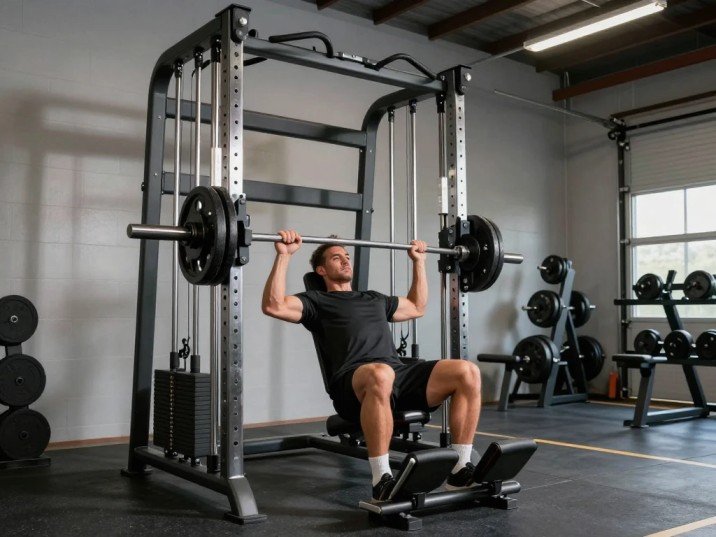
What Do Real Users Say? Case Studies and Success Stories
Case Study 1: The Busy Parent
Marcus, 38, a software engineer and father of two in Austin, Texas, canceled his gym membership in 2022 and invested $1,800 in an Inspire FT1 Functional Trainer. His primary constraints were time and space — a 10×11 ft room adjacent to his garage. Eighteen months later, he reports consistent 4-day-per-week training (previously 1–2 days due to commute), a 15 lb muscle gain, and a total equipment investment that broke even versus gym fees within 26 months. His comment: “The best part isn’t the machine — it’s that the gym is always open when I have 45 minutes.”
Case Study 2: The Apartment Lifter
Priya, 29, a physical therapist in Chicago, lives in a 650 sq ft apartment. She purchased a Bowflex Xtreme 2 SE after measuring that it would fit in her living room. She acknowledges the 210 lb resistance limit is a real ceiling for her strength training, but the combination of cable variety, zero commute, and private training environment has kept her more consistent than she ever was with a gym membership.
Case Study 3: The Serious Lifter
Derek, 44, a former competitive powerlifter in Denver, invested in a Force USA G10 for his garage. Total setup cost was approximately $4,500 including mats and accessories. His assessment after two years: the Smith machine and dual cable system replaced every machine he used at his commercial gym. He trains heavier at home than he did in a shared gym environment because he never waits for equipment. His only complaint was that assembly took a full weekend.
These three profiles represent the majority of home gym buyers. Your situation will resemble one of them more than the others, and that should guide your buying decision significantly.
Final Recommendations
Tight budget and small space: Bowflex Xtreme 2 SE (~$1,199). It fits in apartments, covers every major muscle group, and will keep a beginner to intermediate lifter progressing for years.
Mid-budget and standard room: Marcy SM-4008 (~$1,299) if you want leg press, or Inspire FT1 (~$1,799) if you want the best cable variety in this price range.
Serious lifter with dedicated space: Force USA G10 (~$3,999). It is the closest thing to a commercial gym in a home footprint and built to last a lifetime with proper maintenance.
Tech-forward with wall space: Tonal (~$3,495 + subscription). The AI coaching system and zero floor footprint are genuinely impressive for the right user.
No matter your budget or space, the best all in one home gym is the one that matches your actual goals, fits your room, and gets used every single week. The single biggest mistake buyers make is under-buying and wanting to upgrade six months later. Buy one level above where you think you need to be. The best all in one home gym you actually use — consistently, comfortably, without frustration — will always deliver better results than the perfect machine sitting in someone else’s garage.
About the Author
Saad
I am certified fitness, fat loss, and nutrition coach with over six years of experience helping clients build sustainable training habits. My work focuses on practical, evidence-based approaches to home training, body recomposition, and performance nutrition. I am the founder of fitnessflora.com, where i covers strength training, nutrition, and home gym setup for everyday athletes.
Frequently Asked Questions
What is the best all-in-one home gym for beginners?
The Bowflex Xtreme 2 SE is the most beginner-friendly best all in one home gym option available today. It is compact, affordable at around $1,199, easy to assemble, and supports over 70 exercises. The resistance is joint-friendly and adjustable for all fitness levels. Beginners do not need a 300 lb weight stack — they need variety and consistency, which the Bowflex delivers.
How much does a good all-in-one home gym cost?
A good best all in one home gym costs between $800 and $2,500 for most users. Entry-level machines start around $400–$600 but have limited resistance and durability. Premium machines like the Force USA G10 run $3,500–$4,500 and offer commercial-grade quality. The sweet spot for intermediate home athletes is the $1,200–$2,000 range.
What is the difference between a Smith machine and an all-in-one home gym?
A Smith machine is one component — a guided barbell on vertical rails. The best all in one home gym typically includes a Smith machine plus additional stations like cable pulleys, lat pulldown, low row, and dip handles, all integrated into one unit. Many people confuse the two; a true all-in-one machine is significantly more versatile.
Can I build muscle with a home gym machine?
Yes, absolutely. Progressive overload — progressively increasing resistance over time — is the stimulus for muscle growth, and any best all in one home gym with quality resistance training supports this. The key is selecting a machine with enough resistance range to allow continued progression as you get stronger. A 210 lb maximum is adequate for beginners; serious muscle builders will eventually need 300+ lbs of accessible resistance.
What is the best all-in-one home gym with a leg press?
The Marcy Smith Machine Cage SM-4008 is the best all in one home gym with leg press in the mid-range price category at around $1,299. The Force USA G10 with leg press attachment is the premium option for serious lower body training. The leg press station is one of the least common features in all-in-one machines, so it narrows your options somewhat.
How much space does an all-in-one home gym need?
Most best all in one home gym setups require a minimum of 6 ft x 6 ft of floor space, with larger Smith machine combos needing 8 ft x 8 ft or more. Always account for ceiling height — Smith machine units often require 7.5–8.5 foot ceilings. Add 2 feet of clearance around the machine for safe exercise execution.
Is a home gym machine better than free weights?
Neither is objectively better — they are different tools. Cable machines on the best all in one home gym units provide constant tension through a full range of motion, which free weights cannot match on most exercises. Free weights allow more natural movement patterns and greater loading potential for compound lifts. The best home setups combine an all-in-one machine with a set of adjustable dumbbells for maximum training variety.