Table of Contents
- What Is a High-Protein Diet for Weight Loss? (And Why It Works)
- How Much Protein Do You Actually Need Daily?
- The One Thing Most Protein Diet Plans Get Wrong
- Top High-Protein Foods to Build Your Week Around
- The Complete 7-Day Protein Diet Plan for Weight Loss
- 7-Day High-Protein Meal Prep Strategy
- Common Mistakes People Make on a High-Protein Diet
- Best Apps to Track Your Protein Intake
- What to Expect: Day-by-Day Results
- Final Thoughts: A Real Person’s Take on Protein Dieting
- FAQs About the 7-Day Protein Diet Plan for Weight Loss
Disclaimer: This article is for informational and educational purposes only. It is not intended to replace professional medical or nutritional advice. Always consult a registered dietitian or healthcare provider before starting any new diet plan, especially if you have underlying health conditions, are pregnant, or are on medication. Individual results may vary.
I Tried “Eating More Protein” for a Week — Here’s What Actually Happened
Honestly? I was skeptical.
I’d been stuck at the same weight for almost two months. Working out three times a week, watching my portions, avoiding obvious junk food — and still, the scale wouldn’t budge. My gym friend kept telling me, “You’re not eating enough protein, that’s the problem.” I thought he was just repeating bro-science. Turned out he wasn’t.
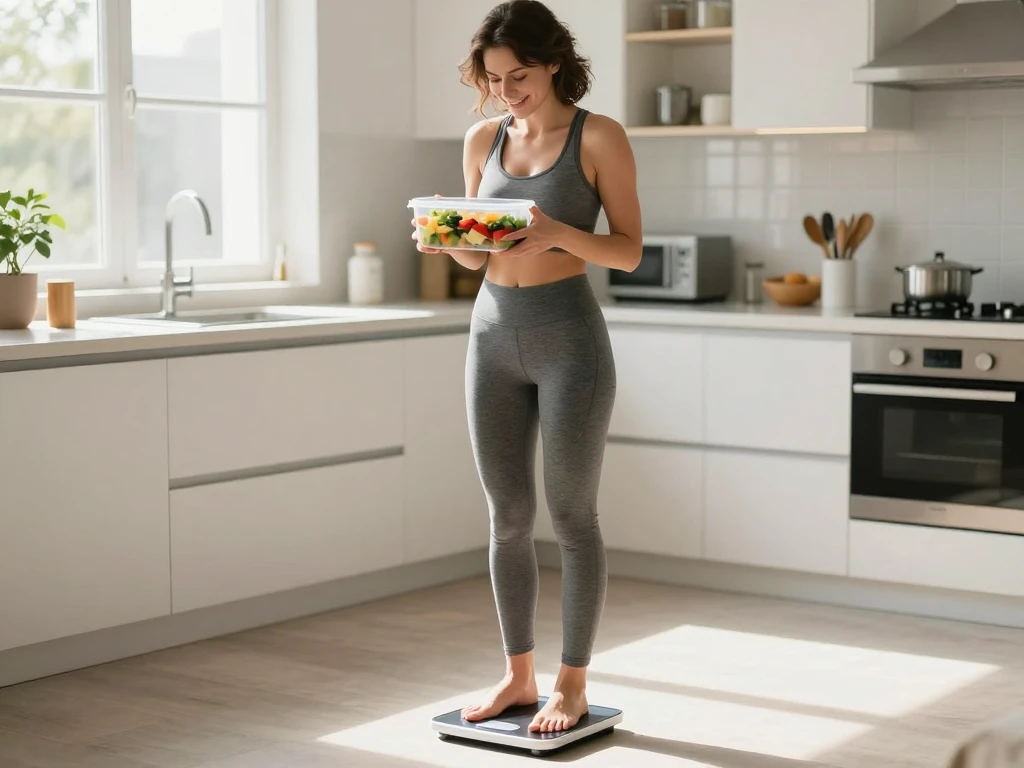
That’s when I first tried a 7-day protein diet plan for weight loss — and it completely changed how I thought about food. The week I made that switch was the first week in months I didn’t feel hungry after lunch. I stopped snacking mindlessly at 10 PM. And by the end of seven days, I felt lighter — not just on the scale, but in my energy levels, my focus, everything.
That experience turned me into someone who genuinely understands why this approach is one of the most effective tools in the nutrition toolbox — if you do it right.
Let me show you what that actually looks like.
What Is a High-Protein Diet for Weight Loss? (And Why It Works)
Before jumping into the plan, let’s be clear about what we’re actually talking about.
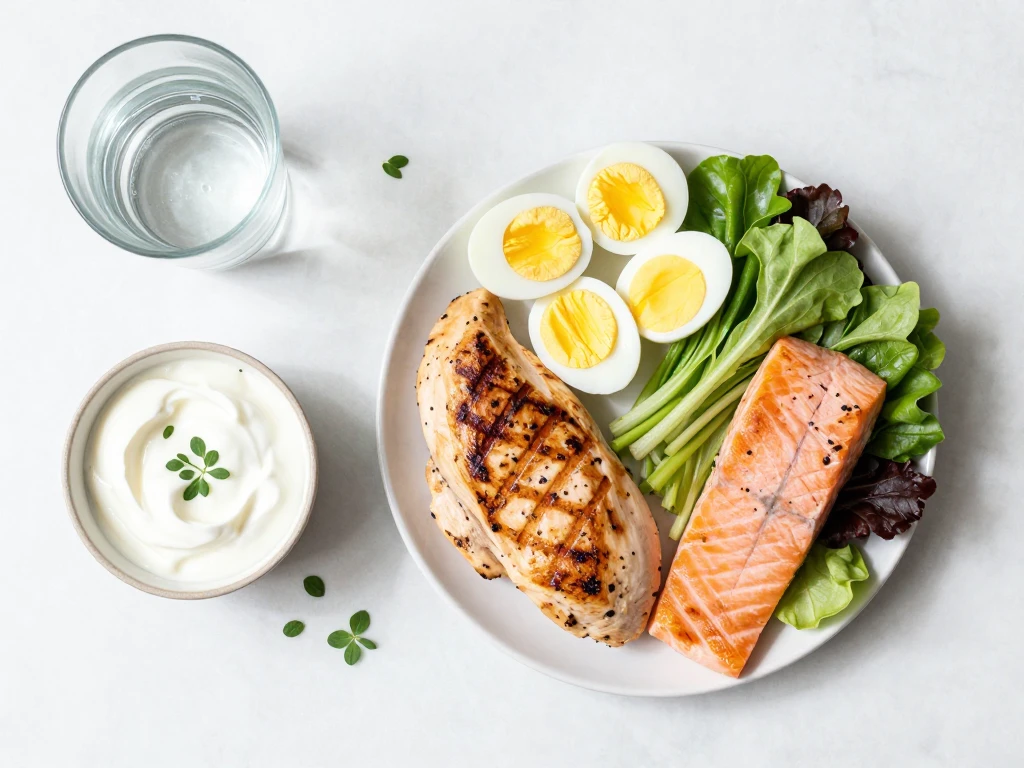
A high-protein diet for weight loss doesn’t mean eating only chicken breast all day or chugging protein shakes. It simply means structuring your meals so that protein is always present — at every sitting, in meaningful amounts.
Here’s the science in plain English:
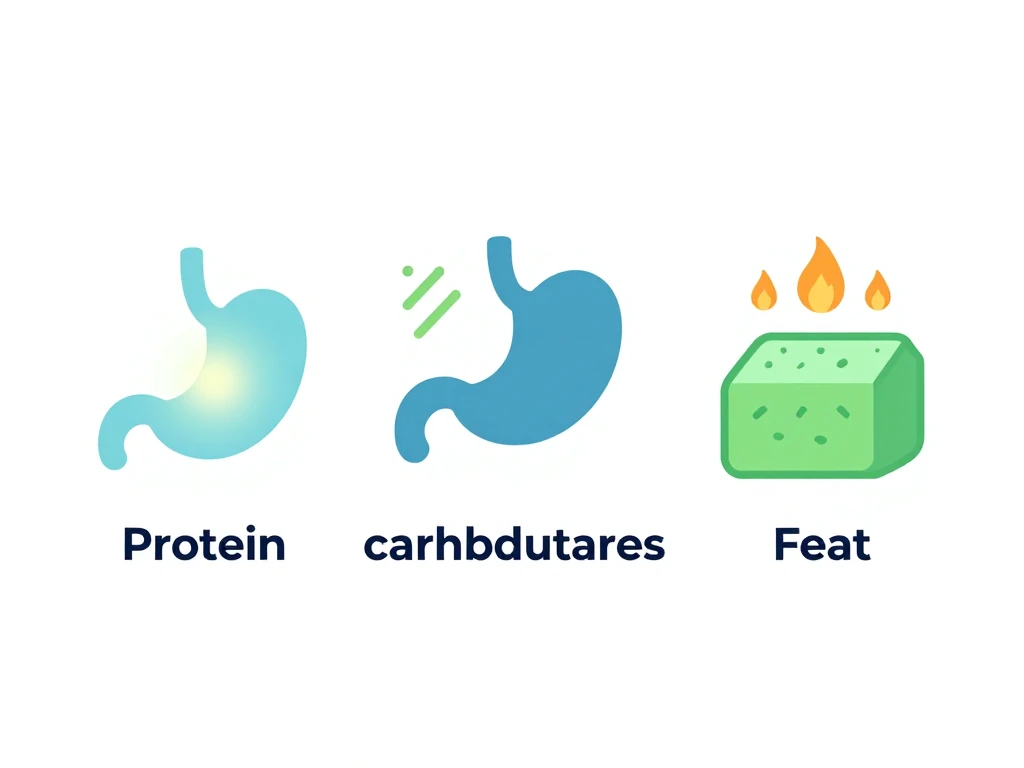
Protein keeps you full longer. Out of all three macronutrients — protein, fat, and carbs — protein is the most satiating. It influences hunger hormones like ghrelin and GLP-1, helping you feel satisfied after meals instead of snacking an hour later.
Your body burns more calories digesting protein. This is called the thermic effect of food (TEF). Protein burns roughly 20–30% of its own calories during digestion, compared to only 5–10% for carbs and 0–3% for fat. So eating a high-protein meal actually bumps up your calorie burn a little — without any extra effort.
It protects muscle during weight loss. When you cut calories, your body can start breaking down muscle for energy — which slows your metabolism over time. Eating enough protein tells your body to burn fat instead, keeping your lean muscle intact.
It helps regulate blood sugar. Protein slows digestion and prevents the blood sugar spikes and crashes that trigger intense cravings. That 3 PM energy crash that sends you to the vending machine? High-protein lunches can prevent that.
Research suggests that for effective fat loss, aiming for 1.2 to 1.6 grams of protein per kilogram of body weight is far more effective than the basic RDA of 0.8g/kg. For a 70 kg person, that’s roughly 84–112 grams of protein per day.
How Much Protein Do You Actually Need Daily? (Quick Calculator Table)
| Body Weight | Target Protein (Fat Loss) | Target Protein (Active/Muscle Preservation) |
|---|---|---|
| 55 kg (121 lbs) | 66–88g | 88–110g |
| 65 kg (143 lbs) | 78–104g | 104–130g |
| 75 kg (165 lbs) | 90–120g | 120–150g |
| 85 kg (187 lbs) | 102–136g | 136–170g |
| 95 kg (209 lbs) | 114–152g | 152–190g |
Don’t stress if you don’t hit these numbers perfectly every single day. Even consistently eating more protein than you currently do will make a noticeable difference.
The One Thing Most Protein Diet Plans Get Wrong
Almost every high-protein meal plan online makes the same mistake: they give you a list of foods and call it a “plan.”
But a real plan has structure. It spreads protein evenly throughout the day, includes snacks, accounts for real life (like being busy or not wanting to cook), and doesn’t make you feel like you’re on a diet.
The biggest mistake beginners make? Packing all their protein into one meal — usually dinner. Your body can only utilize so much protein at once for muscle building and satiety. Spreading 25–40 grams across three meals is far more effective than eating 90 grams in one sitting and barely any the rest of the day.
The second biggest mistake: relying solely on supplements. Protein powders are convenient, but whole food proteins come with extra nutrition — zinc, iron, B12, omega-3s — that shakes just can’t replicate.
Top High-Protein Foods to Build Your Week Around
Before the 7-day plan, here’s your protein “ingredient library” — the building blocks you’ll use throughout the week:
Animal-Based Proteins:
- Chicken breast (31g protein per 100g)
- Eggs (6g per large egg)
- Greek yogurt, plain (10g per 100g)
- Canned tuna (25g per 100g)
- Salmon (25g per 100g)
- Cottage cheese (11g per 100g)
- Turkey mince (27g per 100g)
- Lean beef (26g per 100g)
Plant-Based Proteins:
- Lentils (9g per 100g cooked)
- Chickpeas (9g per 100g cooked)
- Black beans (9g per 100g cooked)
- Tofu (8g per 100g)
- Edamame (11g per 100g)
- Quinoa (4g per 100g cooked)
- Hemp seeds (10g per 30g serving)
The Complete 7-Day Protein Diet Plan for Weight Loss
Each day is structured around three meals and one snack, targeting 90–130g of protein depending on your body weight. Calorie range is approximately 1,400–1,800 calories per day, which creates a mild deficit for most adults.
Adjust portions up or down based on your needs.
Day 1 — Reset and Refuel
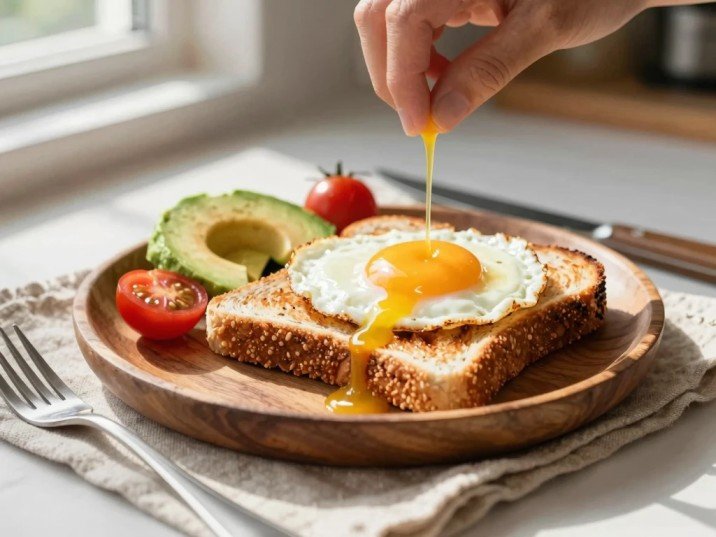
Breakfast: Scrambled Eggs with Spinach and Feta (~30g protein) Three large eggs scrambled in a teaspoon of olive oil, tossed with a handful of fresh spinach and a tablespoon of crumbled feta. Add a slice of whole-grain toast if you need more carbs to fuel a morning workout. Quick, protein-packed, and genuinely satisfying.
Lunch: Grilled Chicken Salad (~35g protein) 150g of grilled chicken breast sliced over a big bowl of mixed greens, cherry tomatoes, cucumber, and a drizzle of olive oil and lemon. Add half an avocado for healthy fats. This keeps blood sugar stable through the afternoon.
Snack: Greek Yogurt with Berries (~15g protein) One cup of plain, full-fat Greek yogurt with a handful of mixed berries and a sprinkle of chia seeds. Skip the flavored versions — they’re loaded with added sugar.
Dinner: Baked Salmon with Broccoli and Brown Rice (~35g protein) 150g salmon fillet, seasoned with garlic, paprika, and a squeeze of lemon. Baked at 200°C for 15–18 minutes. Served with steamed broccoli and half a cup of brown rice.
Daily Total: ~115g protein
Day 2 — Keep the Momentum
Breakfast: Protein Overnight Oats (~25g protein) Half a cup of rolled oats soaked overnight in milk (dairy or unsweetened oat milk), mixed with a scoop of unflavored or vanilla whey protein. Top with banana slices and a tablespoon of almond butter in the morning.
Lunch: Turkey Lettuce Wraps (~30g protein) Ground turkey (150g) cooked with garlic, cumin, and paprika. Wrapped in large romaine lettuce leaves with sliced avocado, diced tomato, and a dash of hot sauce. Low carb, high protein, and ready in under 20 minutes.
Snack: Hard-Boiled Eggs and Cherry Tomatoes (~12g protein) Two hard-boiled eggs with a handful of cherry tomatoes. Prep these at the start of the week for a grab-and-go option all week long.
Dinner: Lean Beef Stir-Fry (~38g protein) 150g lean ground beef stir-fried with bell peppers, zucchini, onion, soy sauce, and garlic. Served over a small portion of noodles or cauliflower rice for a lower-carb option.
Daily Total: ~105g protein
Day 3 — Midweek Plant Boost
This is intentionally a lower-meat day. Plant-based proteins are slower digesting and rich in fiber, which supports gut health and long-term satiety.
Breakfast: Tofu Scramble (~22g protein) Half a block of firm tofu crumbled and cooked with diced bell peppers, spinach, turmeric, garlic powder, and black pepper. Served with a slice of whole-grain toast. Tastes surprisingly egg-like once you get the spices right.
Lunch: Lentil Soup with Whole-Grain Bread (~20g protein) A hearty bowl of red lentil soup made with onion, garlic, cumin, coriander, and diced tomatoes. Lentils are filling, cheap, and incredibly nutritious. A thick slice of whole-grain bread on the side adds extra staying power.
Snack: Cottage Cheese with Pineapple (~13g protein) Half a cup of low-fat cottage cheese with some fresh or canned pineapple. Cottage cheese is one of the most underrated high-protein foods — creamy, filling, and versatile.
Dinner: Chickpea and Vegetable Curry (~20g protein) One can of chickpeas simmered with tinned tomatoes, coconut milk, spinach, and curry paste. Served over a small portion of brown rice. Filling, comforting, and completely plant-based.
Daily Total: ~75g protein (Lower — compensate by adding a protein shake if needed)
Day 4 — The High-Protein Power Day
Breakfast: Egg White Omelette with Mushrooms and Turkey (~35g protein) Six egg whites plus one whole egg cooked with sliced mushrooms, a handful of baby spinach, and two ounces of lean deli turkey. This one keeps you full for hours.
Lunch: Tuna Salad Wrap (~30g protein) One can of tuna (in water) mixed with Greek yogurt, dijon mustard, celery, and black pepper. Wrapped in a whole-grain tortilla with shredded lettuce and sliced cucumber. Using Greek yogurt instead of mayo cuts calories and adds more protein.
Snack: Edamame (~11g protein) One cup of shelled edamame, lightly salted. One of the best plant-based protein snacks that most people completely overlook.
Dinner: Chicken Thighs with Roasted Vegetables (~38g protein) 150g boneless chicken thighs marinated in lemon, garlic, olive oil, and herbs. Roasted alongside bell peppers, courgette, and red onion. Simple, flavorful, and requires almost no prep time.
Daily Total: ~114g protein
Day 5 — Fish Friday (Omega-3 Day)
Breakfast: Smoked Salmon and Eggs (~30g protein) Two poached or scrambled eggs served with 50g of smoked salmon and half an avocado on a piece of rye bread. Omega-3s from the salmon support fat metabolism and reduce inflammation.
Lunch: Prawn and Quinoa Bowl (~28g protein) 100g of cooked prawns tossed with half a cup of quinoa, cucumber, red onion, fresh parsley, and a lemon-olive oil dressing. Light but satisfying, and incredibly fast to make.
Snack: Protein Smoothie (~25g protein) One scoop of whey or plant-based protein powder blended with one cup of unsweetened almond milk, half a frozen banana, a tablespoon of peanut butter, and ice. This is your meal-prep hero — ten seconds to blend and you’re set.
Dinner: Baked Cod with Sweet Potato and Green Beans (~32g protein) 150g cod fillet baked with lemon, garlic, and herbs. Served with a medium roasted sweet potato and steamed green beans. Light, well-balanced, and perfect for winding down the week.
Daily Total: ~115g protein
Day 6 — Weekend Flexibility Day
Weekends are when most diets fall apart. This day is designed to be flexible enough to handle social eating while still keeping protein high.
Breakfast: Protein Pancakes (~28g protein) Two scoops of vanilla protein powder mixed with two eggs, half a mashed banana, and a splash of milk into a smooth batter. Cook like regular pancakes. Top with fresh fruit and a drizzle of honey. These are genuinely delicious.
Lunch: Homemade Burger with Beef Patty (~35g protein) A lean beef or turkey patty on a whole-grain bun with lettuce, tomato, mustard, and pickles. Make it at home so you control the quality. Skip the fries — try a side salad or sliced veggies instead.
Snack: Boiled Eggs and Cheese (~16g protein) Two boiled eggs with a small piece of hard cheese like cheddar or gouda. High protein, portable, and zero cooking required.
Dinner: Steak with Asparagus and a Side Salad (~40g protein) 150g lean sirloin or rump steak, grilled or pan-fried, served with roasted asparagus and a simple green salad with olive oil. Weekend meals should feel like a treat — this one qualifies.
Daily Total: ~119g protein
Day 7 — Reset, Reflect, and Prep for Week Two
Breakfast: Veggie Egg Muffins (~24g protein) Six-egg muffins made by whisking eggs with diced onion, bell peppers, spinach, and a small amount of cheese. Poured into a muffin tin and baked at 180°C for 20 minutes. Make a full batch on Sunday and refrigerate for a week of grab-and-go breakfasts.
Lunch: Chicken and Avocado Bowl (~35g protein) Leftover or freshly grilled chicken over romaine lettuce, sliced avocado, black beans, corn, cherry tomatoes, and salsa. Think healthy Chipotle at home — same flavors, better nutrition.
Snack: Greek Yogurt with Nuts (~14g protein) One cup of plain Greek yogurt with a small handful of mixed nuts and a drizzle of honey. The nuts add healthy fats and crunch.
Dinner: Turkey and Vegetable Sheet Pan Meal (~38g protein) 150g ground turkey mixed with Italian seasoning, garlic, and olive oil, spread on a baking sheet alongside broccoli, courgette, and cherry tomatoes. Everything roasts together at 200°C for 25 minutes. One pan, minimal cleanup, maximum flavor.
Daily Total: ~111g protein
7-Day High-Protein Meal Prep Strategy (Do This on Sunday)
The 7-day protein diet plan for weight loss only works if you’re prepared. Here’s a 90-minute Sunday prep routine that sets you up for the entire week:
Cook proteins in bulk: Grill or bake 4–5 chicken breasts at once. Cook a big batch of ground turkey or beef. Store in separate airtight containers in the fridge.
Hard-boil a dozen eggs: They last up to a week in the fridge and are the ultimate grab-and-go snack.
Prep overnight oats for 2–3 days: Make multiple jars at once so mornings are completely effortless.
Wash and chop all your vegetables: Everything from salad greens to stir-fry veggies should be prepped and ready in clear containers.
Portion out snacks in advance: Divide Greek yogurt into individual portions. Weigh out nuts into small bags. Portion cottage cheese cups. When hunger hits, you’ll reach for protein instead of whatever’s easiest.
Clear containers matter here. When you can see healthy food, you eat healthy food.
Common Mistakes People Make on a High-Protein Diet
Forgetting to drink enough water. High protein intake requires more hydration for kidney function and to process the nitrogen in protein metabolism. Aim for at least 2.5–3 liters of water per day. Add herbal tea if plain water bores you.
Skipping breakfast protein. Most people get their protein at dinner and almost none at breakfast. Starting your day with at least 25–30 grams of protein sets the hunger-hormone tone for the entire day.
Thinking more is always better. Extremely high protein intake (above 2.5g/kg body weight) offers diminishing returns and may strain the kidneys over time in people with pre-existing conditions. Stick to the recommended ranges.
Relying entirely on protein bars. Most commercial protein bars are just candy bars with added whey. Check the label — if it has more than 10 grams of sugar per bar, it’s not really a health food. Use real food as your primary source.
Not eating enough fiber. High-protein diets can sometimes cause constipation if vegetables and whole grains are neglected. Every meal in this plan includes vegetables for exactly that reason.
Expecting dramatic results in week one. The first week, you’ll likely lose 2–5 pounds — but much of that is water weight as your carbohydrate stores deplete. Real fat loss kicks in from week two and beyond. Stay patient.
Best Apps to Track Your Protein Intake
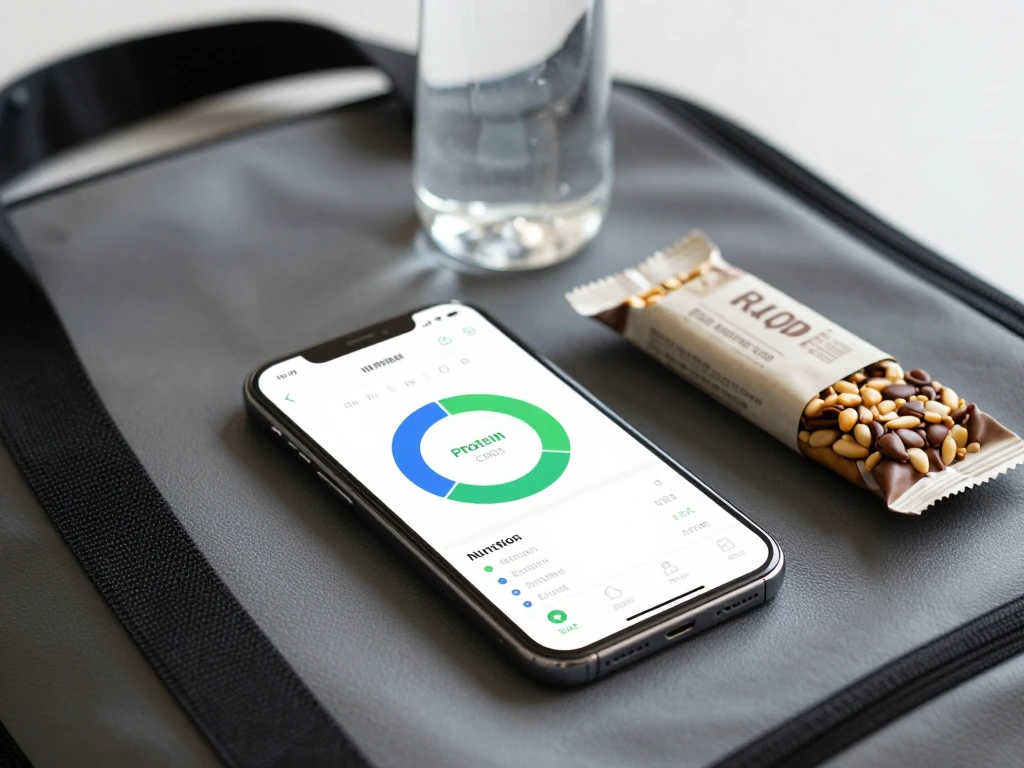
If you’re serious about hitting your daily protein targets, tracking for at least the first few weeks is incredibly useful:
MyFitnessPal — The most popular nutrition tracker. Huge food database, barcode scanning, and macro breakdowns. Free version covers everything you need for this plan.
Cronometer — Better for micronutrient tracking if you want to go beyond just calories and protein. Particularly helpful on plant-based days.
Lose It! — A cleaner, simpler interface than MyFitnessPal. Great for beginners who feel overwhelmed by data.
Best Weight Loss Percentage Calculator (Free & Fast) — track your weight loss percentage with calculator
You don’t need to track forever. Even two to three weeks of tracking teaches you what a protein-rich day actually looks like — and after that, you can eyeball it comfortably.
What to Expect: Day-by-Day Results on a 7-Day Protein Diet Plan for Weight Loss
Days 1–2: You might feel slightly bloated as your digestive system adjusts to a higher protein and fiber intake. This is normal and passes quickly. Stay hydrated.
Days 3–4: Hunger between meals decreases noticeably. Most people report that afternoon cravings start dropping significantly by day four.
Days 5–6: Energy levels stabilize. The sugar-crash cycle that made your afternoons miserable starts to fade as blood sugar stays more consistent.
Day 7: By the end of the week, most people lose somewhere between 2–5 pounds, mostly water and some initial fat. More importantly, cravings are lower, energy is higher, and eating this way starts to feel normal rather than restrictive.
Long-term, if you maintain this style of eating, you can expect to lose roughly 1–2 pounds of actual fat per week — which is the sustainable, healthy rate that keeps the weight off permanently.
Final Thoughts: A Real Person’s Take on Protein Dieting
Here’s the thing nobody tells you when you start eating more protein: the first few days feel a little awkward. You’re suddenly thinking about your meals differently, checking food labels, maybe eating eggs at breakfast when you used to grab a quick piece of toast.
But by the end of the week, something shifts.
You realize you’ve barely thought about snacking. You’re not counting down the minutes to your next meal. You have more energy at the times of day when you used to crash. And when you look at the scale — or just at how your clothes fit — you see real movement.
A 7-day protein diet plan for weight loss isn’t magic. It’s science applied consistently. Protein fills you up, protects your muscle, fires up your metabolism a little, and keeps blood sugar steady. Do that for seven days — and then keep going — and you’ll understand why every serious nutritionist talks about it.
The plan above gives you everything you need to start. The rest is just showing up to the kitchen.
You’ve got this.
FAQs About the 7-Day Protein Diet Plan for Weight Loss
Q: Can I do this plan if I’m vegetarian or vegan?
Absolutely. Swap all animal proteins for plant-based alternatives — tofu, tempeh, lentils, chickpeas, black beans, edamame, and plant-based protein powder. The carb content will be slightly higher, but the protein goals are still achievable with careful planning.
Q: Do I need to count calories on a high-protein diet?
Not strictly — the satiety effect of protein often naturally reduces calorie intake. But if you’re not seeing results after two to three weeks, tracking for a few days to identify any hidden calorie excess is worth doing.
Q: Can I exercise on this plan?
Yes, and you should. This plan pairs perfectly with any workout routine. The protein intake supports muscle recovery and growth. If you’re doing intense strength training, consider bumping your protein toward the higher end of the range (1.6–2.2g/kg).
Q: What if I don’t like fish?
Skip fish days entirely and substitute chicken, turkey, eggs, or legumes. The plan is designed to be flexible. The goal is protein and nutrition quality — the specific source is secondary.
Q: Is a high-protein diet safe for everyone?
For most healthy adults, yes. However, people with kidney disease or other conditions affecting protein metabolism should consult their doctor before significantly increasing protein intake. Always work with a healthcare professional if you have any pre-existing conditions.
Q: Why am I not losing weight after the first week?
Weight loss isn’t perfectly linear. Hormones, water retention, sleep quality, and stress all affect the scale day-to-day. Look at weekly averages, not daily fluctuations. If two to three weeks pass with zero movement, reassess your portion sizes or see a registered dietitian for personalized guidance.
Q: Can I repeat this 7-day plan multiple times?
Yes. This plan is designed as a repeatable framework, not a temporary crash diet. You can rotate the meal ideas, swap proteins, and adjust it to suit your preferences while keeping the high-protein structure intact.