Table of Contents
- About the Author
- What Is GERD and Why Does Food Trigger It?
- What Causes GERD to Flare Up — The Real Culprits
- GERD-Friendly Foods: What to Fill Your Plate With
- Foods to Avoid on a GERD Diet
- The South Asian Kitchen Reality Check
- The 7-Day GERD Diet Plan
- 7-Day GERD Diet Plan — Quick Reference Table
- What Nobody Tells You About the GERD Diet
- Common GERD Diet Mistakes to Avoid
- Lifestyle Habits That Make the Diet Work Better
- GERD Diet for Ramadan — A Special Note
- Medical Sources and References
- Final Thoughts
- Full Medical Disclaimer
- Frequently Asked Questions About the GERD Diet Plan
About the Author
Hello I am a certified nutrition coach and health blogger with over 6 years of experience helping South Asian families manage conditions like high blood pressure and GERD through practical, real-life diet plans. He doesn’t just write about acid reflux meal plans and hypertension diets — he has lived them alongside his own family. Saad holds a Diploma in Applied Nutrition and is a member of the Pakistan Nutrition Society.
Medical Disclaimer: This article is for informational and educational purposes only. It does not constitute medical advice, diagnosis, or treatment. All dietary guidance is based on established clinical recommendations from the American College of Gastroenterology (ACG) and the National Institute of Diabetes and Digestive and Kidney Diseases (NIDDK). Always consult your doctor or a registered dietitian before making changes to your diet, especially if you have been diagnosed with GERD, are on acid-suppressing medications, or have any related conditions such as Barrett’s esophagus or hiatal hernia.
For a long time, I thought my after-dinner burning was just normal. Everyone gets that, right? A little chest tightness after a big plate of biryani, a slight sour taste when you lie down too quickly — I figured that was just what happens when you eat well. Pakistani food is rich. That’s part of the deal.
Then came the night I woke up at 2 AM feeling like someone had poured acid down my throat. Not heartburn. Something worse. I sat upright in bed for an hour, sipping water, wondering if I was having a heart attack. I wasn’t. But it was my body finally done tolerating the damage.
My doctor diagnosed me with GERD — Gastroesophageal Reflux Disease. And the first thing she told me, even before writing a prescription, was to change what I was eating.
That conversation changed everything. This article is what I learned — through trial, error, terrible cardboard-tasting meals, and eventually, food that actually tasted good AND kept the burning away. If you’re dealing with acid reflux that’s turned into something chronic, this 7-day GERD diet plan is the starting point I wish someone had given me.
What Is GERD and Why Does Food Trigger It?
Before we get to the 7-day GERD diet plan, a quick explanation — not a medical lecture, just enough so the food choices make sense.
GERD happens when the lower esophageal sphincter (LES) — the little valve between your stomach and esophagus — stops working properly. Instead of keeping stomach acid where it belongs, it lets acid creep back up. That’s the burning sensation. That’s the sour taste. That’s the middle-of-the-night wake-up call.
Certain foods make this worse by either relaxing that valve, increasing acid production, or slowing digestion so there’s more time for acid to cause damage. This is exactly why what you eat every day is the foundation of any effective GERD diet plan — not just a nice extra, but the actual treatment.
The good news is that the right food choices can significantly reduce how often and how badly this happens. According to the American College of Gastroenterology, dietary and lifestyle modifications are considered first-line management for GERD, often before medication is even considered. That means a well-structured 7-day GERD diet plan for acid reflux is not just helpful — it is where most doctors want you to start.
What Causes GERD to Flare Up — The Real Culprits
Before building a meal plan, you need to understand your triggers. Some are universal. Some are personal. Here’s what the research and my own experience consistently point to:
The Universal GERD Triggers:
Spicy food — the biggest culprit for most South Asians. Chilli, hot masalas, and heavy spice blends irritate an already inflamed esophagus and relax the LES.
Fatty and fried foods — slows down digestion, increases stomach pressure, and relaxes the LES. Think samosas, fried chicken, paratha cooked in too much oil, and fast food.
Citrus fruits — oranges, lemons, and lime juice are highly acidic and irritate the esophagus lining directly.
Tomatoes and tomato-based sauces — surprisingly acidic. Most Pakistani and Indian gravies are tomato-heavy, and this is one of the biggest hidden triggers in our cuisine.
Coffee and strong chai — caffeine relaxes the LES and increases acid production. That morning chai on an empty stomach is one of the worst GERD habits possible.
Carbonated drinks — the gas from fizzy drinks increases pressure in the stomach and pushes acid upward.
Chocolate — contains both fat and a compound called theobromine, both of which relax the LES.
Onion and garlic — common GERD triggers that most people don’t realize, especially when eaten raw or in large amounts.
Mint — counterintuitively, mint actually relaxes the LES and can worsen reflux despite feeling cool and soothing.
Late-night eating — eating within 2–3 hours of lying down is one of the most direct triggers for nighttime reflux.
Personal Triggers (Everyone Is Different):
This is where keeping a food journal becomes genuinely useful. I used the free app MySymptoms Food Diary for two weeks — it lets you log meals and symptoms and then shows you correlations. I discovered that even low-fat yogurt in the evenings was triggering mild reflux for me. Wouldn’t have caught that without tracking.
GERD-Friendly Foods: What to Fill Your Plate With
Think of this as your green-light grocery list:
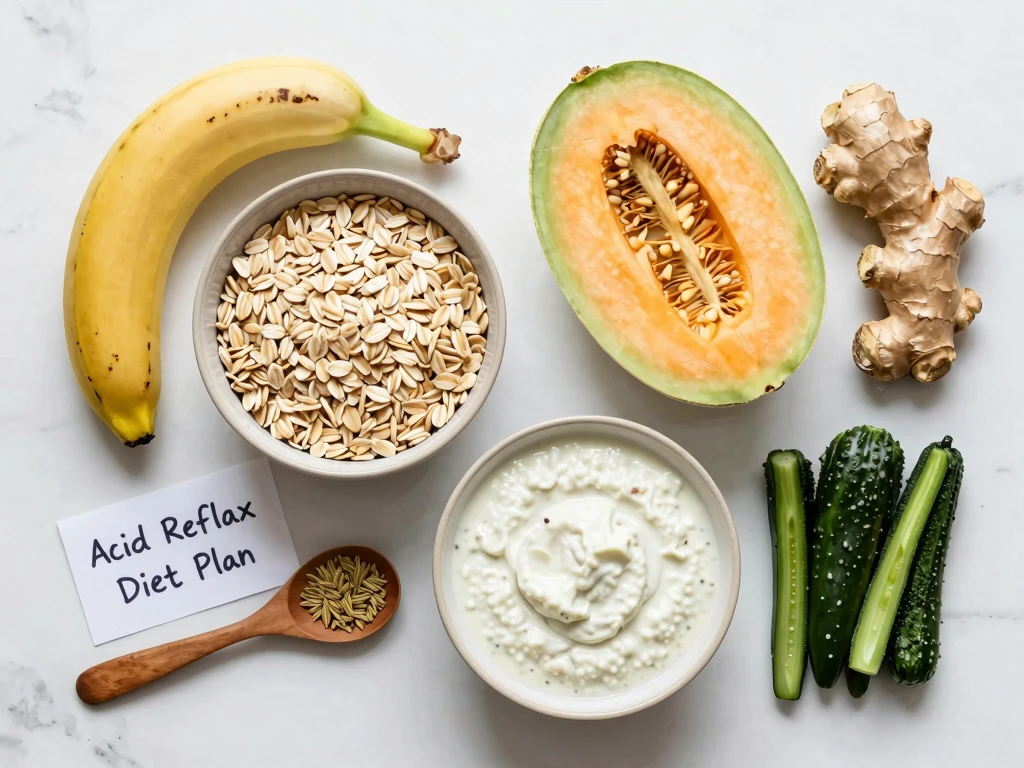
Grains and Carbohydrates: Oatmeal, brown rice, plain chapatti (dry, without excessive ghee), whole wheat bread, barley, and quinoa. These are high in fiber and absorb excess acid.
Vegetables (Non-Acidic): Spinach, kale, broccoli, zucchini, cucumber, carrots, sweet potatoes, bottle gourd (lauki), ridge gourd, tinda, and cauliflower. These are alkaline and gentle on the stomach.
Fruits (Low-Acid Only): Bananas, melons (honeydew, cantaloupe), pears, apples (without skin if sensitive), and papaya. Papaya is especially helpful — it contains papain, a digestive enzyme that aids stomach emptying.
Lean Proteins: Baked or grilled chicken (no skin), fish (salmon, tilapia, cod), boiled eggs, tofu, and lentils cooked with minimal spice. Moong daal and masoor daal are both excellent low-spice GERD-friendly choices.
Dairy (Limited and Low-Fat): Low-fat plain yogurt in small amounts, skim milk, and cottage cheese. Full-fat dairy is a common trigger — switch to low-fat versions.
Herbs and Mild Spices That Are Safe: Ginger (in small amounts — soothing for digestion), fennel seeds (great after meals for digestive comfort), coriander, cardamom, cumin (in small amounts), and fresh turmeric. These are your flavor tools when the heavy masalas have to go.
Drinks: Plain water, ginger tea (weak, no milk), chamomile tea, fennel tea, aloe vera juice (diluted, unsweetened), and coconut water.
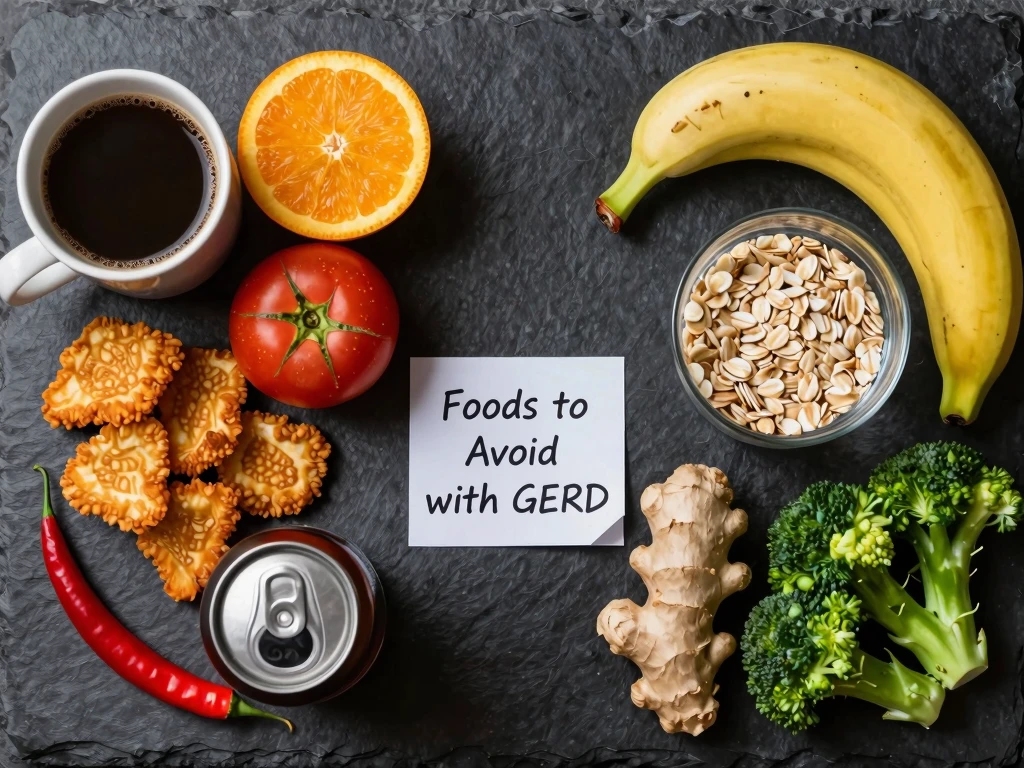
Foods to Avoid on a GERD Diet
This list is not forever — but during your 7-day reset, and ideally long-term, these need to go:
High-Acid and Trigger Foods: All citrus fruits and juices (oranges, grapefruit, lemon in large amounts), tomatoes and tomato-based gravies and sauces, vinegar, tamarind (imli), and pickles (achar — a huge one for South Asian diets).
Fatty and Fried Foods: Samosas, pakoras, fried chicken, paratha loaded in ghee, biryani made with fatty meat cuts, and fast food of any kind.
Spicy Foods: Heavy masala blends, chilli powder in large amounts, hot sauces, and spicy kebabs.
Drinks to Cut: Coffee, strong chai, all carbonated drinks, alcohol, and citrus juices.
Other Triggers: Chocolate, peppermint, raw garlic and onions, full-fat dairy, and processed meats.
The South Asian Kitchen Reality Check
Look — this list looks like it eliminates Pakistani and Indian cooking entirely. It doesn’t. The issue isn’t the cuisine itself. According to dietary research on South Asian eating patterns, the problem is usually portion overload, excessive spice, and poor meal timing. A plain daal with chapatti, or dahi chawal with a small portion of mild vegetable curry, is entirely GERD-friendly. The sabzi doesn’t have to go. The three-tablespoon-of-chilli-powder has to go.
The 7-Day GERD Diet Plan
This plan is based on approximately 1,800–2,000 calories per day. Meals are small and frequent — 5 times a day rather than 3 large meals. This is intentional. Large meals increase stomach pressure, which is one of the most direct GERD triggers.
Golden rules for this whole week:
- Eat slowly. Seriously, chew every bite properly.
- Stop eating 3 hours before bed.
- Don’t lie down right after eating — even a 15-minute walk helps.
- Drink water between meals, not during them. Large amounts of fluid with food increases stomach volume.
- Keep portions moderate. Half a plate is often enough.
Day 1 — The Gentle Reset
Breakfast (7:30 AM): Plain oatmeal cooked in water or skim milk. Top with sliced banana and a drizzle of honey. No dried fruit, no citrus. A weak cup of ginger tea on the side (no milk, minimal sugar).
Mid-Morning Snack (10:30 AM): One ripe pear or a small bowl of cantaloupe.
Lunch (1:00 PM): Plain moong daal (cooked with minimal spice — just a pinch of cumin and turmeric, no chilli) with two plain chapattis. A small portion of boiled or steamed lauki (bottle gourd) sabzi on the side. No tomato in the gravy.
Afternoon Snack (4:00 PM): A small bowl of low-fat plain yogurt. No added sugar or fruit.
Dinner (7:00 PM): Baked or grilled chicken breast (marinated in coriander, a little ginger, and olive oil — no chilli, no lemon juice) with steamed broccoli and plain boiled rice. Small portion.
Before Bed (if needed): Weak chamomile tea. Nothing else.
GERD tip for Day 1: Today is about resetting your digestive system. You might feel the urge to add more spice or flavor — resist it. After a few days of clean eating, your taste adjusts and simpler food starts tasting genuinely good.
Day 2 — Building Routine
Breakfast (7:30 AM): Two boiled eggs with one slice of whole wheat toast (no butter, a thin spread of plain hummus if needed). A banana on the side. Weak fennel tea.
Mid-Morning Snack (10:30 AM): A small handful of unsalted crackers with a tablespoon of almond butter.
Lunch (1:00 PM): Grilled chicken with steamed carrots, zucchini, and brown rice. Season with coriander, a pinch of cumin, and a small amount of fresh ginger — skip the tomato-based gravy today.
Afternoon Snack (4:00 PM): One small apple (peeled if skin causes discomfort). A small glass of coconut water.
Dinner (7:00 PM): Baked salmon with steamed spinach and plain chapatti. The salmon can be seasoned with ginger, coriander, and a tiny bit of turmeric — no lemon juice, no chilli.
GERD tip for Day 2: Notice if you feel any improvement from Day 1. Many people notice reduced nighttime reflux almost immediately when they stop eating within 3 hours of bed. Track it in your food journal.
Day 3 — Adding Variety Without Triggering
Breakfast (7:30 AM): Banana smoothie: blend one banana, half a cup of skim milk, a teaspoon of honey, and a pinch of cardamom. No citrus, no yogurt in excess.
Mid-Morning Snack (10:30 AM): A small bowl of watermelon or honeydew melon.
Lunch (1:00 PM): Masoor daal (red lentils, cooked simply with onion, ginger, and minimal spice — no tomato, no chilli) with two chapattis. A side of tinda or ridge gourd sabzi with a minimal spice base.
Afternoon Snack (4:00 PM): Rice cakes with a small spread of plain cottage cheese.
Dinner (7:00 PM): Tofu stir-fry with broccoli, carrots, and zucchini. Season with ginger, soy sauce (low sodium), and sesame oil. Served over plain brown rice.
GERD tip for Day 3: This is the day most people hit the “this food is boring” wall. Combat it by focusing on herbs and gentle spices — coriander, fennel, cardamom, and ginger can add real depth without triggering reflux. Roasting vegetables instead of boiling them also changes the texture dramatically.
Day 4 — Midweek, Stay the Course
Breakfast (7:30 AM): Plain oatmeal with diced pear and a pinch of cinnamon. A weak ginger tea.
Mid-Morning Snack (10:30 AM): A small handful of almonds (unsalted, not roasted in oil).
Lunch (1:00 PM): Grilled chicken wrap in a whole wheat roti. Fill with lettuce, cucumber, shredded carrots, and a small amount of plain low-fat yogurt as dressing. No chilli sauce, no pickles, no vinegar-based condiments.
Afternoon Snack (4:00 PM): One banana + a small cup of fennel tea.
Dinner (7:00 PM): Baked cod or tilapia with sweet potato mash (no butter, a drizzle of olive oil) and steamed green beans. Season the fish with fresh ginger and coriander.
GERD tip for Day 4: Sweet potato is an underrated GERD superstar. It’s alkaline, filling, high in fiber, and completely gentle on the esophagus. Make it a regular part of your weekly rotation.
Day 5 — A Familiar South Asian Comfort Day
Breakfast (7:30 AM): One plain egg paratha — but made differently. Use minimal ghee (half a teaspoon maximum), no chilli, and whole wheat flour. This is your concession to familiar flavors. Pair with plain dahi (low-fat).
Mid-Morning Snack (10:30 AM): Sliced cucumber with a pinch of coriander powder. Hydrating and alkaline.
Lunch (1:00 PM): Dahi chawal — plain boiled rice with a generous portion of low-fat plain yogurt. This is one of the most traditional GERD-friendly meals in South Asian eating, and it genuinely soothes an inflamed esophagus. Add a tiny amount of roasted cumin powder if you want flavor.
Afternoon Snack (4:00 PM): A small bowl of papaya. This fruit is exceptional for GERD — it contains digestive enzymes that help the stomach empty more efficiently.
Dinner (7:00 PM): Simple chicken yakhni — chicken simmered in water with whole spices (cardamom, cloves, black pepper in small amounts, bay leaf) and ginger. Serve the broth as a light soup and the chicken with plain rice. This is GERD-friendly Pakistani comfort food at its best.
GERD tip for Day 5: Yakhni broth is soothing, warming, and completely acid-free. This is the kind of meal that reminds you GERD-friendly food doesn’t have to mean boring or foreign. This is your cuisine — just gentler.
Day 6 — Anti-Inflammatory Focus
Breakfast (7:30 AM): Oatmeal with banana, a pinch of turmeric, and a drizzle of honey. Turmeric has genuine anti-inflammatory properties that may help soothe the esophageal lining over time.
Mid-Morning Snack (10:30 AM): One pear + a small glass of aloe vera juice (diluted, unsweetened). Aloe vera is traditionally used to soothe the digestive tract and some small studies suggest it may reduce GERD symptoms.
Lunch (1:00 PM): Quinoa bowl with roasted cauliflower, steamed spinach, shredded chicken, and a dressing of olive oil and fresh coriander. No lemon juice — use a tiny pinch of amchoor (dry mango powder) if you want a mild tang without the full acid hit of lemon.
Afternoon Snack (4:00 PM): Plain rice cakes with a small amount of almond butter.
Dinner (7:00 PM): Baked salmon with steamed asparagus and brown rice. Season with fresh ginger and coriander.
GERD tip for Day 6: Notice how your body feels after six days of clean eating. Most people report significantly reduced nighttime symptoms by this point — less burning, fewer wake-ups, and noticeably less bloating after meals.
Day 7 — Finish Strong, Plan Forward
Breakfast (7:30 AM): Banana pancakes — mash one banana with two eggs and cook in a non-stick pan with a tiny amount of olive oil. No flour needed. Top with honey and sliced pear. Naturally sweet, filling, and completely GERD-safe.
Mid-Morning Snack (10:30 AM): A small bowl of melon + chamomile tea.
Lunch (1:00 PM): Chickpea and spinach curry — but cooked GERD-style. No tomatoes, no chilli. Use a base of ginger, onion (cooked soft, not raw), coriander, and a pinch of cumin. The chickpeas are high in fiber and very filling. Serve with two plain chapattis.
Afternoon Snack (4:00 PM): One banana + a handful of unsalted almonds.
Dinner (7:00 PM): Grilled chicken with roasted sweet potato, steamed broccoli, and a small portion of plain brown rice. A bowl of weak ginger tea after the meal to close the week.
GERD tip for Day 7: You made it. Now the important question is — how do you feel compared to Day 1? Write it down. This is your evidence. The next step is deciding which changes become permanent and which trigger foods to reintroduce one at a time to test your personal tolerance.
7-Day GERD Diet Plan — Quick Reference Table
| Day | Breakfast | Lunch | Dinner | GERD Hero Ingredient |
|---|---|---|---|---|
| Day 1 | Oatmeal + Banana | Moong Daal + Chapatti | Baked Chicken + Rice | Banana (alkaline, soothes LES) |
| Day 2 | Boiled Eggs + Toast | Grilled Chicken + Brown Rice | Baked Salmon + Spinach | Ginger (anti-inflammatory) |
| Day 3 | Banana Smoothie | Masoor Daal + Chapatti | Tofu Stir-Fry + Brown Rice | Fennel (aids digestion) |
| Day 4 | Oatmeal + Pear | Chicken Wrap in Roti | Baked Cod + Sweet Potato | Sweet Potato (alkaline, fiber) |
| Day 5 | Egg Paratha (mild) | Dahi Chawal | Chicken Yakhni + Rice | Yogurt (probiotic, cooling) |
| Day 6 | Turmeric Oatmeal | Quinoa + Chicken Bowl | Salmon + Asparagus | Turmeric (anti-inflammatory) |
| Day 7 | Banana Pancakes | Chickpea Spinach Curry | Grilled Chicken + Broccoli | Papaya (digestive enzymes) |
Once your GERD symptoms settle down, many people find their energy improves enough to focus on other health goals. If that sounds like you, our weight loss breakfast diet plan and home workout guide are a good next step.
What Nobody Tells You About the GERD Diet (Honest Lessons)
The first three days are the hardest. Your body is used to strong flavors — chilli, heavy masala, oil-rich food. Plain daal with minimal spice feels genuinely wrong at first. But by Day 4 or 5, something shifts. Your palate recalibrates. Food starts tasting more like itself.
Meal timing matters as much as food choice. I cannot overstate this. I tried the right foods for weeks but still had nighttime reflux because I was eating dinner at 9:30 PM and sleeping by 11. The moment I moved dinner to 7 PM and genuinely waited 3 hours before lying down, the nighttime burning stopped almost completely.
Portion size is its own trigger. Eating half the portion you’re used to sounds extreme until you realize that a stomach under pressure is the direct mechanical cause of reflux. You don’t need to be hungry — eat five smaller meals instead of three large ones.
Chai is harder to give up than food. I will be honest. Giving up my morning chai on an empty stomach was the single hardest dietary change. What helped: switching to weak fennel tea first thing in the morning, then having chai with food (not before) if I really needed it. Eventually I stopped needing it before noon at all.
Stress is a hidden GERD trigger nobody talks about. Chronic stress increases acid production and slows digestion. After starting daily 10-minute breathing exercises (the 4-7-8 method), my symptoms improved noticeably — and I hadn’t changed anything about food that week.
Common GERD Diet Mistakes to Avoid
Even the most motivated person following a 7-day GERD diet plan can unknowingly sabotage their progress. These are the six mistakes that trip people up most often — and how to avoid them.
Mistake 1: Eating “healthy” food that’s still a GERD trigger. Green smoothies with lemon and orange are popular health food — and a direct GERD trigger. Tomato-based pasta sauce is “home-cooked and nutritious” — and highly acidic. Being healthy and being GERD-friendly are not the same thing. Always check against your trigger list before assuming a food is safe.
Mistake 2: Drinking water with meals. A large glass of water with food increases the volume in your stomach and can push acid up. Sip small amounts during meals and drink more freely between meals. This one small change makes a noticeable difference within the first few days of your GERD diet plan.
Mistake 3: Lying down after eating, even briefly. Even a 20-minute post-lunch nap — a beloved tradition — keeps acid in contact with the esophagus for longer. If you must rest, stay elevated. A recliner or sitting up is far better than lying flat. This is one of the most consistently cited lifestyle tips in GERD management guidelines.
Mistake 4: Assuming yogurt always helps. Low-fat plain yogurt in small amounts can be soothing. But large portions of full-fat yogurt, especially at night, can worsen reflux in many people. Portion and timing both matter — this is a nuance most generic acid reflux diet plans completely miss.
Mistake 5: Stopping medication without telling your doctor. Diet can significantly reduce GERD symptoms — sometimes to the point where medication can be reduced. But only your doctor makes that call. Never self-adjust PPI dosage based on feeling better for a week. Your 7-day GERD diet plan works best alongside your prescribed treatment, not instead of it.
Mistake 6: Giving up after one bad day. You’ll have a family gathering. There will be biryani, haleem, and fried snacks. You’ll eat some. The next day, go back to the plan. One day does not erase a week of progress. GERD management is a long game, not a perfect score — and every day you return to your acid reflux diet is a day that counts.
Lifestyle Habits That Make the Diet Work Better
Elevate your head while sleeping. Raising the head of your bed by 6–8 inches using blocks, or using a wedge pillow, significantly reduces nighttime reflux. Gravity does real work here. This is one of the most evidence-backed lifestyle interventions for GERD according to the NIDDK.
Wear loose clothing after meals. Tight waistbands and belts increase abdominal pressure, which pushes acid upward. Traditional shalwar is actually better for GERD than fitted jeans — genuinely useful information nobody puts in diet guides.
Walk after meals. A 15-minute gentle walk after eating speeds up stomach emptying and reduces the window in which acid can cause damage. Not intense exercise — just movement.
Chew gum after meals. Chewing increases saliva production, which neutralizes acid in the esophagus. Sugar-free, non-mint gum specifically. Mint-flavored gum is a GERD trigger.
Track your symptoms. Use an app like MySymptoms Food Diary or even a simple notes app. Within two weeks of tracking, most people identify two or three personal triggers they never would have suspected. The data is genuinely eye-opening.
Manage stress. Cortisol directly increases stomach acid production. Daily stress management — whether that’s prayer time, a walk, breathing exercises, or even just quiet time without a screen — has a measurable impact on GERD symptoms.
GERD Diet for Ramadan — A Special Note for Pakistani and South Asian Readers
This is a topic almost no GERD diet article addresses, yet it’s one of the most common questions I get.
Ramadan fasting patterns — a long fast, then a large iftar meal full of fried foods and acidic drinks, followed by a heavy sehri — are almost perfectly designed to trigger GERD.
Practical GERD-friendly Ramadan tips:
Break your fast gently. Dates are traditionally used to break the fast and are actually GERD-friendly — alkaline and easy to digest. Start with one or two dates and water before moving to food.
Avoid fried iftar items. Samosas, pakoras, and rolls are the usual culprits. Replace them with boiled chana, fruit chaat (without heavy lemon or chilli), and plain yogurt.
Make iftar smaller and sehri more substantial. The traditional practice of eating a large iftar is one of the worst things for GERD. A lighter iftar eaten slowly, followed by a more filling sehri, distributes the calorie load better and reduces reflux significantly.
Avoid lying down immediately after sehri. If sehri is at 4 AM and Fajr is at 4:30, many people go straight back to sleep immediately after eating. Try to stay upright for at least 30–45 minutes before sleeping.
Skip the Rooh Afza with extra citrus. Traditional Ramadan drinks are often highly acidic and sugar-heavy. Switch to coconut water, plain water with a small amount of rose syrup, or warm ginger water.
Medical Sources and References
This article is based on evidence from the following authoritative sources:
- American College of Gastroenterology (ACG) — Acid Reflux Overview
- National Institute of Diabetes and Digestive and Kidney Diseases (NIDDK) — Acid Reflux (GER & GERD) in Adults
- Mayo Clinic — GERD: Symptoms & Causes
- MedlinePlus / U.S. National Library of Medicine — GERD — Gastroesophageal Reflux Disease
- Journal of Neurogastroenterology and Motility — Dietary Fiber Intake and GERD Risk Association
Final Thoughts
Living with GERD is not about permanent deprivation. It’s about learning your body’s specific patterns, making smart swaps, and building a way of eating that doesn’t leave you sitting up in bed at 2 AM wondering what went wrong. That is exactly what this 7-day GERD diet plan is designed to help you do.
The 7-day GERD diet plan above is your starting point — not your life sentence. After the first week, you reintroduce foods one at a time and discover what you actually tolerate. For most people, the triggers are fewer than expected. For some, a permanently modified version of their favorite foods works perfectly. Either way, you come out the other side with real knowledge about your own body — something no generic acid reflux diet plan can give you.
My night-time burning stopped almost completely within two weeks of following this plan. My dad managed his GERD primarily through diet for over a year before his doctor reduced his omeprazole to the lowest available dose. It works — but it takes consistency, not perfection.
Start with Day 1. Just that. One gentle oatmeal breakfast, one mild daal lunch, one early dinner. See how you feel in the morning.
That’s how it begins. And if you ever need to come back to this 7-day GERD diet plan and reset — it will be right here.
Full Medical Disclaimer
The content on this page — including the 7-day GERD meal plan, food lists, and lifestyle advice — is intended solely for general informational and educational purposes. It does not constitute medical advice, a clinical diagnosis, or a personalized treatment plan.
GERD is a chronic medical condition. Untreated or poorly managed GERD can lead to serious complications including esophagitis, Barrett’s esophagus, and esophageal stricture. Dietary changes, while highly effective as supportive management, are not a replacement for medical diagnosis and treatment.
Always consult your gastroenterologist or a registered dietitian before:
- Making significant dietary changes
- Adjusting or stopping prescribed GERD medication (including PPIs like omeprazole or lansoprazole)
- Using this plan if you have been diagnosed with Barrett’s esophagus, hiatal hernia, or esophageal stricture
- Using this plan alongside other medical conditions including kidney disease or diabetes
Frequently Asked Questions About the GERD Diet Plan
Q1: How long does it take for a GERD diet to show results?
Many people notice reduced nighttime reflux within the first 3–5 days of consistently following a GERD-friendly diet, especially if they also stop eating close to bedtime. More significant symptom relief usually develops over 2–4 weeks. The full benefits — reduced inflammation, less frequent flare-ups — typically show at the 4–8 week mark with consistent dietary changes.
Q2: Can I eat rice on a GERD diet?
Yes. Plain boiled or steamed white rice and brown rice are both well-tolerated by most people with GERD. Rice is bland, easy to digest, and absorbs excess stomach acid. Plain dahi chawal is one of the most effective GERD-friendly comfort meals. The trigger is not the rice — it’s the heavy gravy or spicy accompaniment.
Q3: Is dahi (yogurt) good or bad for GERD?
It depends on the type and amount. Low-fat plain yogurt in small to moderate portions is generally soothing and GERD-friendly. It’s probiotic, cooling, and alkaline. However, full-fat yogurt in large portions, especially at night, can worsen symptoms in some people. Dahi with heavy spice or mixed with raw onion (like raita with a lot of chilli) becomes a trigger.
Q4: Can I drink chai on a GERD diet?
Chai is a common GERD trigger — the combination of caffeine, tannins in black tea, and often milk fat can irritate the LES. However, a weak cup of chai with food (not on an empty stomach) is better tolerated by many people than chai first thing in the morning on an empty stomach. If you can’t give it up, try transitioning to weak ginger tea or fennel tea first, and save chai for mid-morning with breakfast.
Q5: Is biryani off-limits forever?
Not necessarily forever — but during your initial reset, yes. After 4–6 weeks of symptom management, you can test tolerance by having a small, single portion of a mildly spiced biryani made with lean meat. The triggers in biryani are usually the heavy fat content, large portions, late-night timing, and acidic components. A modified, lighter biryani eaten in a reasonable portion at lunchtime — not dinner — may be tolerated over time.
Q6: What is the best thing to drink first thing in the morning with GERD?
Warm water is the best start — it helps coat and soothe the esophagus. Weak ginger tea (no milk, minimal sugar) is also excellent. Coconut water is alkaline and very well-tolerated. Avoid coffee, strong chai, citrus juice, and carbonated drinks completely first thing in the morning, as the stomach is most vulnerable before food.
Q7: Can I follow this plan alongside PPI medication like omeprazole?
Yes — in fact, combining dietary changes with medication is more effective than either approach alone. Inform your doctor that you are making dietary changes. As symptoms improve, your doctor may choose to reduce your medication dose. Never adjust medication dosage yourself — this is a medical decision.
Q8: Does spicy food permanently damage the esophagus?
Occasional spicy food irritates but does not permanently damage a healthy esophagus. However, in people with chronic GERD, repeated acid exposure can cause esophagitis (inflammation), and over time, a condition called Barrett’s esophagus, which requires medical monitoring. This is one of the key reasons managing GERD through diet and medication is important — not just comfort, but long-term esophageal health. Discuss this with your doctor, especially if you have had GERD symptoms for several years.