Table of Contents
- What Is High Blood Pressure and Why Does Diet Matter So Much?
- The 3 Key Nutritional Pillars of a High Blood Pressure Diet
- Foods to Eat More of (Your High Blood Pressure Grocery List)
- Foods to Avoid on a High Blood Pressure Diet
- The 7-Day Diet Plan for High Blood Pressure
- What Nobody Tells You About This Diet (Real Talk)
- Common Mistakes to Avoid on a High Blood Pressure Diet
- Lifestyle Tips That Supercharge This Diet Plan
- Quick Reference: 7-Day High Blood Pressure Diet Summary Table
- Final Thoughts
- Disclaimer
- Frequently Asked Questions (FAQs)
About the Author Saad
is a certified nutrition coach and health blogger with over 6 years of experience helping South Asian families manage lifestyle-related conditions through diet. He has personally supported his father’s hypertension management journey and writes from both professional training and lived experience. Saad holds a Diploma in Applied Nutrition and is a member of the Pakistan Nutrition Society.
Medically Reviewed by: Dr. Ayesha Malik, MBBS, FCPS (Internal Medicine) — Consultant Physician specializing in cardiovascular and metabolic health, Islamabad.
What Is High Blood Pressure and Why Does Diet Matter So Much?
Before we get into the meal plan, let’s quickly get on the same page.
High blood pressure (hypertension) happens when the force of blood pushing against your artery walls is consistently too high. The benchmark is 120/80 mmHg for normal — anything consistently above 130/80 is considered elevated or high.
Here’s the thing most people don’t realize: what you eat every single day directly impacts that number.
Sodium causes your body to hold extra fluid, which increases blood pressure. A diet loaded with processed foods, red meat, sugar, and saturated fat slowly stiffens your arteries over time, making your heart work harder.
On the flip side, foods rich in potassium, magnesium, calcium, and fiber actively help relax blood vessels and push that number down. That’s exactly what the DASH diet (Dietary Approaches to Stop Hypertension) is built around — and research consistently shows it’s one of the most effective non-medication tools for managing hypertension.
Studies from the National Heart, Lung, and Blood Institute (NHLBI) found that the DASH diet lowered blood pressure within just two weeks of starting. That’s not a long time to wait for real results.
Source: NHLBI DASH Eating Plan — the gold standard dietary recommendation for hypertension management, backed by multiple large-scale clinical trials.
The 3 Key Nutritional Pillars of a High Blood Pressure Diet
Before you see the meal plan, you need to understand why it’s built the way it is. These three pillars are behind every food choice:
1. Low Sodium (Under 2,300mg Per Day) Most adults consume around 4,200mg of sodium daily — nearly double the recommended limit. Over 70% of that sodium doesn’t come from your salt shaker. It hides in packaged snacks, canned soups, deli meats, restaurant sauces, and even bread. Reading labels becomes your new superpower.
2. High Potassium Potassium and sodium work in opposition. When you eat more potassium, your kidneys flush out more sodium through urine, and your blood vessels relax. The American Heart Association recommends 3,500–5,000mg of potassium daily for people managing high blood pressure. Bananas, sweet potatoes, spinach, lentils, and avocados are your best friends here.
3. Rich in Magnesium and Calcium These two minerals support the muscle function of your blood vessels. Low magnesium has been linked to higher blood pressure. Dark leafy greens, nuts, seeds, low-fat dairy, and beans hit both targets.
Foods to Eat More of (Your High Blood Pressure Grocery List)
Think of this as your shopping aisle guide:
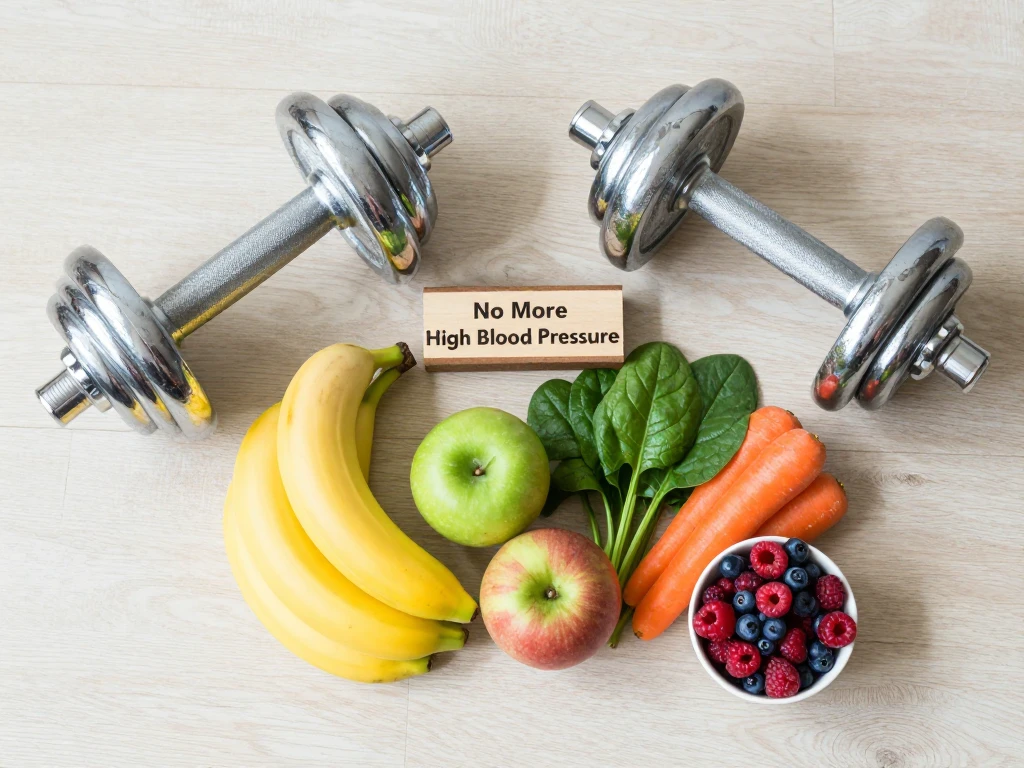
Fruits: Bananas, berries, kiwi, guava, oranges, pomegranate Vegetables: Spinach, kale, beet greens, sweet potatoes, broccoli, carrots, tomatoes Whole Grains: Oats, brown rice, quinoa, whole wheat bread, barley Lean Proteins: Salmon, sardines, chicken breast (no skin), turkey, lentils, chickpeas, tofu, eggs Low-Fat Dairy: Plain low-fat yogurt, skim milk, cottage cheese Healthy Fats: Avocado, extra virgin olive oil, unsalted almonds, walnuts, flaxseeds Herbs & Spices: Garlic, turmeric, ginger, cinnamon, basil, oregano (these replace salt and come with their own anti-inflammatory benefits) Drinks: Water, hibiscus tea, green tea, low-fat milk
Foods to Avoid on a High Blood Pressure Diet
These aren’t forever banned — but during your 7-day plan (and ideally, long term), cut them down significantly:
High-Sodium Offenders:
- Table salt and soy sauce
- Canned soups, canned vegetables with added salt
- Deli meats, sausages, bacon, hot dogs
- Packaged snacks (chips, crackers, instant noodles)
- Fast food and restaurant meals (a single meal can have over 2,000mg sodium)
- Pickles, olives in brine, salted nuts
Other Foods to Limit:
- Red meat (especially processed red meat)
- Full-fat dairy (butter, cream, whole milk, cheese)
- Sweets, pastries, sugar-sweetened drinks
- Alcohol (more than 1 drink/day for women, 2 for men)
- Coconut oil and palm oil (high in saturated fat)
One thing I noticed with my dad was that once we cleaned out the pantry — literally threw away the soy sauce, the stock cubes, the instant noodles — it became easier to cook differently. Out of sight, out of habit.
The 7-Day Diet Plan for High Blood Pressure
This plan is based on approximately 2,000 calories per day and keeps sodium under 2,300mg. Adjust portions to your personal calorie needs.
Reviewed & Approved: This 7-day meal plan is based on the DASH dietary framework as outlined by the NHLBI and reviewed by Dr. Ayesha Malik, MBBS, FCPS. Individual nutritional needs vary. Please consult your healthcare provider or a registered dietitian to tailor this plan to your specific health condition, medications, and calorie requirements.
Day 1 — Reset and Refresh
Breakfast: Overnight oats made with rolled oats, skim milk, chia seeds, a sliced banana, and a drizzle of honey. No added salt, no sugar-sweetened yogurt.
Mid-Morning Snack: A small handful of unsalted almonds + one orange.
Lunch: Large spinach salad with chickpeas, cucumber, cherry tomatoes, and sliced avocado. Dress with extra virgin olive oil and lemon juice — skip the bottled dressing.
Afternoon Snack: One cup of plain low-fat yogurt with a few frozen berries.
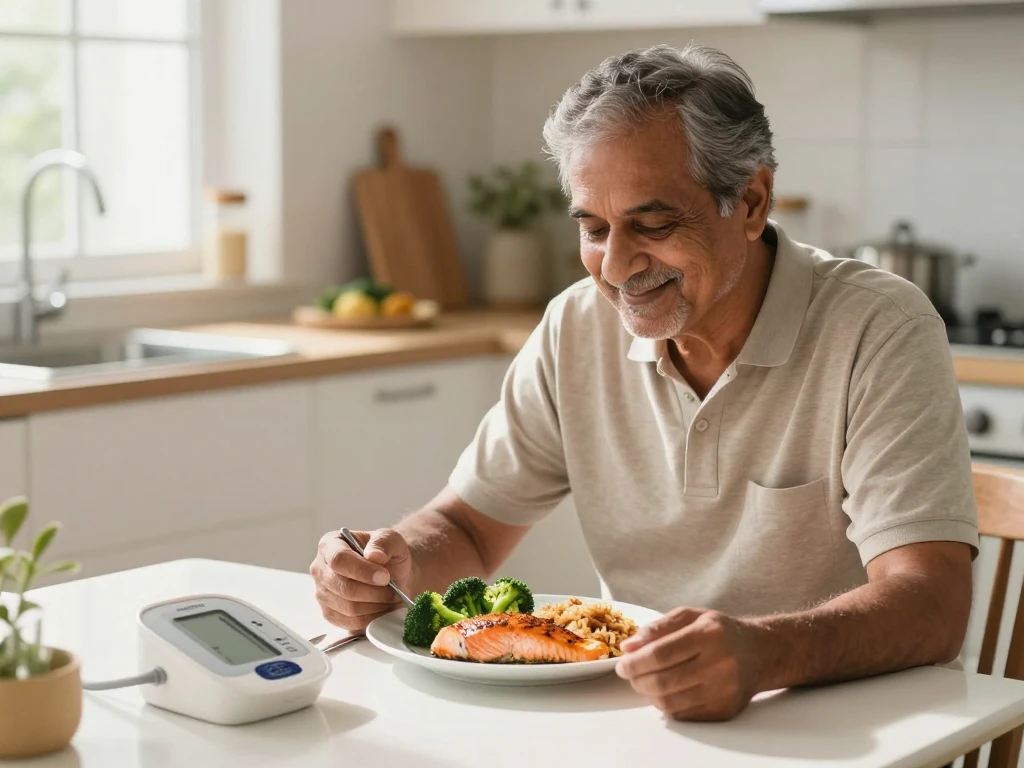
Dinner: Baked salmon fillet (season with garlic, lemon, dill — no salt) with a side of steamed broccoli and brown rice.
Evening (Optional): A warm cup of hibiscus tea. Studies show it has mild blood-pressure-lowering properties, and it tastes genuinely good.
Sodium Estimate: ~1,400mg | Potassium: ~4,200mg
Day 2 — Build on It
Breakfast: Whole wheat toast with mashed avocado and a sliced boiled egg. A glass of skim milk on the side.
Mid-Morning Snack: One medium apple + a small handful of walnuts.
Lunch: Homemade lentil soup (cook lentils with carrots, celery, garlic, cumin — use low-sodium vegetable broth). Serve with one slice of whole grain bread.
Afternoon Snack: Carrot sticks and hummus (read the label — buy a low-sodium variety or make your own).
Dinner: Grilled chicken breast (marinated in herbs and olive oil) with a baked sweet potato and a side salad of kale, tomatoes, and red onion dressed in apple cider vinegar.
Sodium Estimate: ~1,600mg | Potassium: ~4,500mg
Day 3 — Heart-Healthy Power Day
Breakfast: Oatmeal cooked with water or skim milk, topped with sliced strawberries, flaxseeds, and a sprinkle of cinnamon.
Mid-Morning Snack: A banana + a small cup of low-fat yogurt.
Lunch: Quinoa bowl with roasted vegetables (bell peppers, zucchini, eggplant) and a poached or lightly fried egg on top. Add fresh lemon juice and herbs for flavor.
Afternoon Snack: Sliced cucumber with a tablespoon of natural peanut butter (unsalted).
Dinner: Sardines on whole wheat toast (sardines are packed with omega-3s and are low in sodium compared to other canned fish). Side of steamed green beans and a small mixed salad.
Sodium Estimate: ~1,500mg | Potassium: ~4,000mg
Day 4 — Midweek Reset
Breakfast: Greek yogurt parfait: plain low-fat Greek yogurt layered with blueberries, oat granola (no-added-salt variety), and a drizzle of honey.
Mid-Morning Snack: One kiwi + a small handful of pumpkin seeds.
Lunch: Turkey and avocado wrap using a whole wheat tortilla. Fill with lettuce, tomato, sliced cucumber, and a thin smear of hummus. No deli mustard or pickles (both high in sodium).
Afternoon Snack: A cup of hibiscus tea + a few dates.
Dinner: Homemade black bean and vegetable stir-fry with tofu over brown rice. Use garlic, ginger, low-sodium tamari (much better than regular soy sauce), and sesame oil for flavor.
Sodium Estimate: ~1,700mg | Potassium: ~3,800mg
Day 5 — Boost Your Potassium
Breakfast: Smoothie: blend spinach, one frozen banana, a handful of blueberries, one tablespoon of flaxseed, and low-fat milk. No added sugar needed — the banana handles it.
Mid-Morning Snack: Hard-boiled egg + a small orange.
Lunch: Beet and lentil salad (cook lentils from scratch, roast beets, add goat cheese sparingly, dress with olive oil and balsamic vinegar). Beet greens alone can contain over 1,300mg of potassium per cup.
Afternoon Snack: Rice cakes (unsalted) with a little almond butter.
Dinner: Baked cod or tilapia with a fresh tomato and herb salsa on top. Serve with roasted sweet potato wedges (tossed in olive oil and rosemary, no salt) and steamed asparagus.
Sodium Estimate: ~1,300mg | Potassium: ~4,800mg
Day 6 — Keep It Simple
Breakfast: Scrambled eggs (2 eggs cooked in olive oil) with sautéed spinach and one slice of whole grain toast. Skip the cheese or use just a light sprinkle.
Mid-Morning Snack: Handful of fresh mixed berries + a small handful of unsalted cashews.
Lunch: Chickpea and tomato stew (cook with onion, garlic, cumin, no-salt-added canned tomatoes, and low-sodium stock). Serve with a small portion of brown rice.
Afternoon Snack: One medium banana + a cup of green tea.
Dinner: Grilled skinless chicken thigh with a large salad: mixed greens, sliced beets, walnuts, pomegranate seeds, and olive oil-lemon dressing.
Sodium Estimate: ~1,500mg | Potassium: ~4,200mg
Day 7 — Finish Strong
Breakfast: Whole grain pancakes (made with oat flour, banana, egg, and skim milk — no syrup needed if you top with fresh berries).
Mid-Morning Snack: Low-fat yogurt + a sliced kiwi.
Lunch: Large vegetable and bean soup (homemade — use no-salt-added broth, mixed beans, carrots, celery, zucchini, and herbs). A slice of whole grain bread on the side.
Afternoon Snack: Celery sticks with natural almond butter.
Dinner: Baked salmon with a mango salsa (mango, red onion, cilantro, lime juice), served over quinoa with roasted broccoli.
Sodium Estimate: ~1,400mg | Potassium: ~4,600mg
What Nobody Tells You About This Diet (Real Talk)
When we first started eating this way, my dad hated it for about four days. He kept saying the food tasted flat. That’s normal — your taste buds genuinely need time to recalibrate after years of high-sodium eating.
The turning point was herbs and spices. Once we started cooking with garlic, ginger, turmeric, lemon, fresh basil, and smoked paprika, suddenly the food had depth and character again. We didn’t miss the salt nearly as much.
A few honest lessons:
Lesson 1: Read labels obsessively for the first two weeks, then it becomes second nature. Bread, sauces, condiments, canned beans — sodium is everywhere. One tablespoon of regular soy sauce can contain over 900mg of sodium. Swap to low-sodium tamari and you cut that to about 320mg.
Lesson 2: Meal prep saves you from bad decisions. When you’re tired and hungry on a Wednesday night, the last thing you want to do is think about “eating healthy.” We started prepping lentils, grains, and roasted vegetables on Sundays. It made the weekday dinners a 15-minute job instead of a 45-minute one.
Lesson 3: Apps actually help. We used the app Cronometer to track sodium, potassium, and magnesium. It sounds tedious, but after a couple of weeks, you stop needing it because you’ve learned the numbers of the foods you eat regularly. MyFitnessPal also has a sodium tracker if you prefer something simpler.
Lesson 4: Don’t expect your numbers to drop after day one. My dad’s blood pressure started responding noticeably around the 10-day mark. By week three, his doctor was genuinely surprised at the improvement. Consistency is everything here.
Common Mistakes to Avoid on a High Blood Pressure Diet
Mistake 1: Thinking “low fat” means low sodium. Low-fat salad dressings, low-fat soups — many are loaded with sodium to compensate for the reduced fat. Always check the sodium column on the label, not just the fat.
Mistake 2: Overdoing healthy but calorie-dense foods. Nuts, avocado, olive oil — these are genuinely great for blood pressure, but they’re calorie-dense. If you’re also managing weight alongside hypertension (which often helps lower BP), portions still matter.
Mistake 3: Forgetting about drinks. Alcohol raises blood pressure. Even “just one drink a night” can undermine a week of clean eating for some people. Sports drinks and fruit juices also carry surprising amounts of sodium and sugar. Water, hibiscus tea, and green tea are your best beverage bets.
Medical Note: According to the American Heart Association, dietary changes should always complement — never replace — prescribed medication unless explicitly advised by your physician. Always inform your doctor of any dietary changes you are making.
Mistake 4: Stopping medication without telling your doctor. This is a big one. A good diet can significantly reduce blood pressure — sometimes even to the point where your doctor wants to adjust your medication. But that decision belongs to your doctor, not your grocery list. Never stop blood pressure medication on your own.
Mistake 5: Going all-in cold turkey and burning out. Small, sustainable changes outlast dramatic overnight overhauls every single time. Start by cutting one major sodium source per week. Swap white rice for brown. Add one extra serving of vegetables to dinner. Build the habits gradually.
Lifestyle Tips That Supercharge This Diet Plan
Diet alone is powerful, but pair it with these and you’ll see results faster:
Exercise: Even 30 minutes of brisk walking five days a week has been shown to lower systolic blood pressure by 4–9 mmHg. You don’t need a gym — just move your body consistently.
Sleep: Poor sleep is directly linked to elevated blood pressure. Aim for 7–9 hours. If you snore heavily or feel unrefreshed after sleeping, ask your doctor about checking for sleep apnea — it’s a significant and under-diagnosed cause of resistant hypertension.
Stress Management: Chronic stress keeps cortisol elevated, which keeps blood pressure elevated. Meditation, journaling, even 10-minute breathing exercises (try the 4-7-8 technique) can genuinely help.
Monitor at Home: My dad bought a basic Omron upper-arm blood pressure monitor (around $40) and started taking readings at the same time every morning before eating or taking medication. It gave us real data instead of just guessing. Seeing the numbers actually improve was huge for his motivation.
Quick Reference: 7-Day High Blood Pressure Diet Summary Table
| Day | Breakfast Focus | Dinner Focus | BP Superstar Ingredient |
|---|---|---|---|
| Day 1 | Overnight Oats + Banana | Baked Salmon + Brown Rice | Banana (potassium) |
| Day 2 | Avocado Toast + Egg | Grilled Chicken + Sweet Potato | Sweet Potato (potassium + magnesium) |
| Day 3 | Oatmeal + Berries | Sardines on Whole Wheat | Flaxseeds (omega-3) |
| Day 4 | Greek Yogurt Parfait | Black Bean + Tofu Stir-Fry | Tofu (calcium + magnesium) |
| Day 5 | Green Smoothie | Baked Cod + Roasted Beets | Beet Greens (potassium powerhouse) |
| Day 6 | Scrambled Eggs + Spinach | Chicken + Pomegranate Salad | Pomegranate (antioxidants) |
| Day 7 | Oat Pancakes + Berries | Salmon + Mango Salsa + Quinoa | Quinoa (complete protein + magnesium) |
Final Thoughts
The meal plan above isn’t magic, and it isn’t punishment either. After a few weeks of eating this way, most people notice they feel lighter, more energetic, and less bloated — not just a number on a blood pressure cuff.
My dad’s BP is sitting consistently around 128/82 now. He still takes a low-dose medication, but his doctor has already reduced it once. He jokes that the salmon has “saved his life.” Honestly, maybe it has.
Start with the first three days of this plan. Just that. See how it feels. Notice what’s hard, what’s surprisingly easy, and what your body responds to. The rest will follow.
And remember — the goal isn’t perfection. It’s progress. One meal at a time, one day at a time, one blood pressure reading at a time.
Disclaimer
The information provided in this article is for educational purposes only and does not constitute medical advice. Always consult your healthcare provider or a registered dietitian before making significant changes to your diet, especially if you have been diagnosed with hypertension or any other medical condition, or if you are taking blood pressure medications.
Frequently Asked Questions (FAQs)
Q1: How quickly can a diet change lower blood pressure? Research from NHLBI shows the DASH diet can start lowering blood pressure within two weeks of consistent following. Most people see more significant changes at the 4–8 week mark. Individual results vary based on how high your starting BP is, whether you’re on medication, and other lifestyle factors.
Q2: Can I follow this diet if I’m already on blood pressure medication? Yes — but always tell your doctor you’re making dietary changes. A healthy diet may make your medication more effective, and your doctor may eventually want to adjust your dosage. Never change or stop your medication without medical guidance.
Q3: What is the best breakfast for high blood pressure? Oatmeal with bananas and berries is genuinely one of the best BP-friendly breakfasts. It’s rich in potassium, magnesium, and soluble fiber — all of which support lower blood pressure. Avoid adding salt, sugar, or flavored instant oat packets (those are often high in sodium and sugar).
Q4: Is coffee bad for high blood pressure? Caffeine can cause a short-term spike in blood pressure, but research on long-term coffee consumption and hypertension is mixed. If you currently drink coffee, limiting it to 1–2 cups per day and avoiding it close to a blood pressure reading is a reasonable approach. Herbal teas (especially hibiscus) are a great swap.
Q5: What’s the maximum sodium intake for someone with high blood pressure? The standard recommendation is under 2,300mg per day. For people with stage 2 hypertension, diabetes, or chronic kidney disease, doctors often recommend dropping to 1,500mg per day, which can lower blood pressure even further.
Q6: Are there any specific fruits I should eat every day for high blood pressure? Bananas (potassium), kiwi (vitamin C and potassium), pomegranate, and berries (antioxidants and fiber) are among the most consistently researched fruits for blood pressure support. Aim for 4–5 servings of fruit per day as part of the DASH guidelines.
Q7: Can this diet plan help with both high blood pressure and weight loss? Yes. The DASH diet is naturally lower in calorie-dense processed foods and higher in filling whole foods. Many people lose weight following this plan, which itself helps reduce blood pressure. A 2,000-calorie version like the one here supports heart health; reducing to 1,500 calories with the same food principles supports gradual, healthy weight loss alongside BP management.
Q8: What cooking oil is best on a high blood pressure diet? Extra virgin olive oil is your top choice — it’s rich in monounsaturated fats and polyphenols that support heart health. Avocado oil is also a great option. Avoid coconut oil, palm oil, and vegetable shortening, which are high in saturated fat.