Muscle Gain Diet Plan For 7 Days: What I Eat to Actually Build Muscle
About the Author
Hi I am Saad and I am a certified personal trainer and sports nutrition coach with 6 years of hands-on experience working with beginner and intermediate lifters. I has built and tested multiple muscle gain diet plans on himself and his clients, and writes from direct personal experience — not theory.
Medical Disclaimer
This article is for informational and educational purposes only. It does not replace professional medical or nutritional advice. Calorie, protein, and macro needs vary by individual based on body weight, age, sex, training volume, and health status. If you have kidney disease, diabetes, metabolic conditions, or any underlying health concern, speak with a registered dietitian or your doctor before changing your diet.
I spent eight months in the gym going nowhere.
Not because I was lazy. Not because my training programme was bad. I was pushing hard five days a week, adding weight when I could, sleeping reasonably well. But I had nothing to show for it. No visible muscle, no real size, nothing. My training partner at the time — who was gaining steadily — finally asked to see my food diary.
I did not have one.
That was the problem. I was treating food like an afterthought. Eating whatever was nearby, skipping lunch when work got busy, having a big dinner and calling it good. I thought the gym was doing the heavy lifting. It was not. Without a proper muscle gain diet plan, I was giving my body the training stimulus it needed to grow and then refusing to give it the raw materials to actually do it.
The week I built my first structured 7-day muscle gain diet plan, things shifted. Within six weeks my strength numbers were moving properly for the first time. Within three months, people were asking what I had changed. Nothing had changed in the gym. Everything had changed in the kitchen.
This article is that plan — refined, tested, and written the way I wish someone had explained it to me at the start.
Table of Contents
- Why Food Is 60% of Your Muscle-Building Results
- The Macro Framework — Calories, Protein, Carbs, and Fat
- Complete 7-Day Muscle Gain Diet Plan With Full Daily Macros
- Pre-Workout and Post-Workout Nutrition — What Actually Matters
- The Master List of Best Foods for Muscle Gain
- Foods That Slow or Stall Muscle Growth
- The Habits Nobody Talks About (But That Change Everything)
- The Six Mistakes That Kill Progress on a Muscle Gain Diet
- Supplements Worth Your Money — And What to Leave on the Shelf
- Full Weekly Grocery List for This Plan
- 7-Day Muscle Gain Meal Plan — At a Glance Table
- Frequently Asked Questions
Why Food Is 60% of Your Muscle-Building Results
Most people get the gym part right and the kitchen part completely wrong. That was me for most of my first year lifting. And when I started coaching others, I saw the same pattern over and over — people training consistently, programming intelligently, and still not growing. In almost every case, nutrition was the problem.
Here is the thing most beginner programmes do not make clear: the workout does not build muscle. The workout damages muscle fibres and creates a repair signal. The muscle is actually built during recovery — at rest, during sleep, between sessions. And building it requires three things: protein (the raw material), energy (calories above maintenance), and time (sleep and recovery). Remove any one of those and the process stalls regardless of what happens in the gym.
Three nutrition mistakes kill muscle gain faster than anything else:
Not eating enough total food. Muscle is expensive for the body to build. It will not invest in new tissue unless it has energy left over after meeting basic needs. That means eating in a caloric surplus — typically 300 to 500 calories above your daily maintenance. Below that, your body prioritises survival over growth. This is non-negotiable. A 2017 position paper from the International Society of Sports Nutrition confirmed that a caloric surplus is a prerequisite for maximising muscle hypertrophy in resistance-trained individuals.
Spreading protein too thin. Research published in the American Journal of Clinical Nutrition (Areta et al., 2013) showed that distributing protein across four or more meals per day produced significantly better muscle protein synthesis outcomes than eating the same total in one or two sittings. The body can only use so much protein at once for muscle repair — roughly 0.4 grams per kilogram of body weight per meal. Beyond that, the excess is oxidised rather than used for growth. Frequency matters.
Cutting carbohydrates. Carbs are your muscles’ primary fuel source during resistance training. Removing them reduces training performance, which weakens the growth signal, which reduces results. Carbs are not the problem on a muscle gain diet plan — they are a requirement.
The Macro Framework — Calories, Protein, Carbs, and Fat
Before looking at the day-by-day meal plan, you need to know the numbers behind it. These are solid starting points for a moderately active person training three to five days per week. Adjust based on your actual body weight and progress.
Total Calories — The Foundation Eat 300 to 500 calories above your daily maintenance level. For most moderately active men between 150 and 185 pounds, this puts daily intake between 2,700 and 3,200 calories. Women typically need 400 to 600 calories less. If you are unsure of your maintenance calories, use a Total Daily Energy Expenditure (TDEE) calculator as a starting point, then adjust based on your weekly weight trend over four weeks.
Protein — The Non-Negotiable Macro Target 0.7 to 1.0 gram of protein per pound of body weight per day. A 175-pound person needs 125 to 175 grams daily. The ISSN’s 2017 position stand supports this range for maximising lean muscle mass gain in combination with resistance training. Split this across at least four meals. Think: 35 to 45 grams of protein per meal if eating four times a day, plus a smaller protein-containing snack.
Carbohydrates — Training Fuel Around 40 to 50 percent of total daily calories. Focus on complex, slower-digesting sources for most meals: oats, brown rice, quinoa, sweet potatoes, whole grain bread, beans, and lentils. Use faster-digesting carbs — white rice, white bread, fruit, chocolate milk — strategically around training for quicker glycogen replenishment.
Dietary Fat — Hormone Support Around 20 to 25 percent of total calories. Fat is required for testosterone and other hormone production. Drop fat too low and hormone levels suffer, which directly impacts your ability to recover and build muscle. Prioritise avocado, olive oil, whole eggs, fatty fish, nuts, and nut butters.
Hydration — The Ignored Variable Muscle tissue is approximately 75 percent water. Dehydration by as little as two percent of body weight has been shown to impair strength performance. Men should target 3 or more litres daily, women around 2.2 litres. Add extra for heavy training sessions and hot weather.
Quick Macro Reference Table
| Macro | Daily Target | Top Food Sources |
|---|---|---|
| Protein | 0.7–1.0g per lb body weight | Chicken, eggs, beef, Greek yogurt, fish, cottage cheese |
| Carbohydrates | 40–50% of total calories | Oats, rice, quinoa, sweet potato, beans, banana |
| Fats | 20–25% of total calories | Avocado, olive oil, whole eggs, nuts, salmon |
| Total Calories | Maintenance + 300–500 | Whole foods first, supplements to fill gaps |
| Water | 3+ litres (men), 2.2+ (women) | Water, milk, herbal tea, high-water vegetables |
Complete 7-Day Muscle Gain Diet Plan With Full Daily Macros
This plan is calibrated for a 170 to 180-pound person eating approximately 2,900 to 3,100 calories per day with 155 to 175 grams of protein. If you weigh significantly less or more, scale portion sizes accordingly. Every day below includes a full macro total — not just Day 1.
Day 1 — Monday: Build Your Foundation
Breakfast — Scrambled Egg Power Bowl 4 whole eggs scrambled in a teaspoon of olive oil, 2 cups of baby spinach wilted in, a quarter cup of shredded cheddar, and two thick slices of whole grain toast spread with a tablespoon of peanut butter. Large glass of whole milk. 680 cal | 45g protein | 50g carbs | 30g fat
Mid-Morning Snack 200g of full-fat plain Greek yogurt topped with a small handful of walnuts, a drizzle of honey, and one banana sliced on top. 380 cal | 22g protein | 42g carbs | 14g fat
Lunch — Classic Muscle Builder 200g of grilled chicken breast over one cup of cooked brown rice, a generous portion of roasted broccoli drizzled in olive oil and garlic, and a side of hummus. Straightforward and effective. 620 cal | 52g protein | 58g carbs | 18g fat
Pre-Workout Snack (90 minutes before training) Two rice cakes with almond butter and a medium apple. Fast, clean, easy on the stomach. I have been eating some version of this before training for six years. 280 cal | 8g protein | 42g carbs | 10g fat
Post-Workout (within 90 minutes of finishing) Whey protein shake with oat milk and one banana blended in. Once home, a bowl of cottage cheese topped with frozen berries thawed overnight. 420 cal | 38g protein | 46g carbs | 6g fat
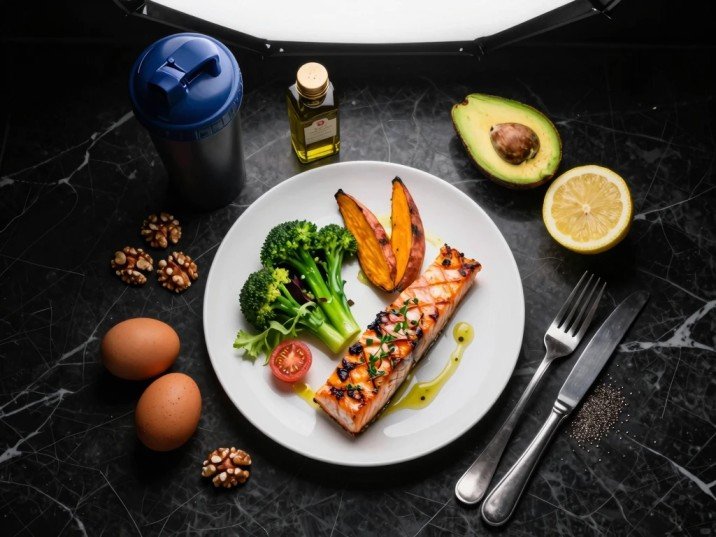
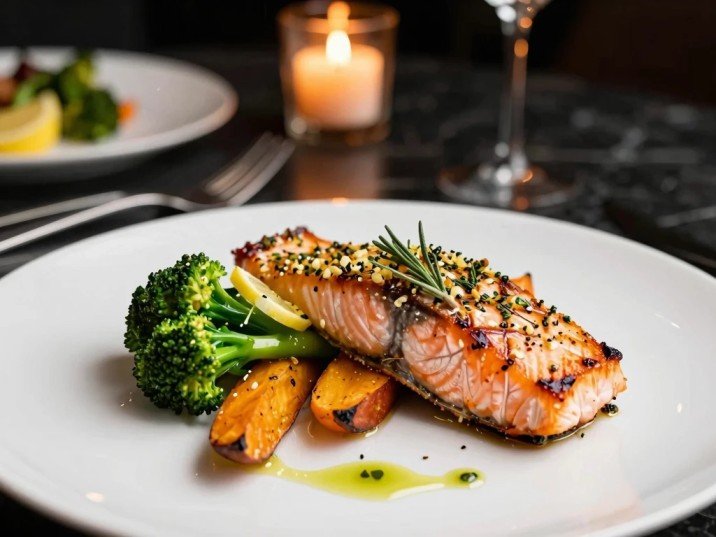
Dinner — Omega-3 Recovery Meal 180g of baked salmon with a large roasted sweet potato and a big mixed leaf salad dressed with extra virgin olive oil, fresh lemon juice, and sea salt. 620 cal | 42g protein | 52g carbs | 24g fat
Day 1 Total: 3,000 cal | 207g protein | 290g carbs | 102g fat
Day 2 — Tuesday: Stay in the Rhythm
Breakfast — Overnight Oats One cup of rolled oats soaked overnight in full-fat milk with one scoop of vanilla whey protein stirred through, a tablespoon of chia seeds, and blueberries and a spoonful of peanut butter added fresh in the morning. Takes three minutes to prep the night before. Zero excuses for skipping breakfast on this plan. 640 cal | 42g protein | 72g carbs | 18g fat
Mid-Morning Snack Three hard-boiled eggs, one slice of whole grain toast, and half an avocado with a pinch of sea salt and chilli flakes. 360 cal | 22g protein | 22g carbs | 22g fat
Lunch — Turkey Stir Fry 200g of lean ground turkey stir-fried in sesame oil with bell peppers, snap peas, onion, and three cloves of garlic. Season with low-sodium soy sauce and a dash of sriracha if you like heat. Serve over one and a half cups of cooked brown rice. 640 cal | 48g protein | 64g carbs | 16g fat
Pre-Workout Snack Small bowl of oatmeal with a teaspoon of honey and a handful of dried cranberries. 260 cal | 8g protein | 52g carbs | 4g fat
Post-Workout Meal Whey protein shake with whole milk, two rice cakes, and a small handful of mixed unsalted nuts. 400 cal | 34g protein | 38g carbs | 12g fat
Dinner — Chicken and Sweet Potato 200g of baked chicken thighs (skin off) with mashed sweet potato made with a splash of whole milk, steamed green beans, and a glass of whole milk. 680 cal | 48g protein | 58g carbs | 22g fat
Day 2 Total: 2,980 cal | 202g protein | 306g carbs | 94g fat
Day 3 — Wednesday: Rest Day — Eat Like It Matters
Rest day does not mean low-calorie day. Your muscles are still actively repairing from Monday and Tuesday. Keep protein intake identical. Shift slightly away from fast carbs and load up on micronutrient-dense whole foods and vegetables.
Breakfast — Feta and Spinach Omelette Two whole eggs and two egg whites whisked with crumbled feta, fresh spinach, and cherry tomatoes. Cooked slowly on low heat so it stays fluffy. Two slices of whole grain toast alongside. Fresh orange on the side. 520 cal | 38g protein | 42g carbs | 18g fat
Mid-Morning Snack 150g of cottage cheese with pineapple chunks and a tablespoon of ground flaxseed stirred through. The bromelain in pineapple may support protein digestion and reduce post-training muscle soreness — a small edge worth taking. 280 cal | 24g protein | 28g carbs | 6g fat
Lunch — Tuna Power Wrap Two cans of tuna in olive oil, drained and mixed with a tablespoon of plain Greek yogurt, lemon juice, fresh dill, and diced celery. Wrapped in a large whole wheat tortilla with romaine and sliced tomato. Handful of mixed nuts on the side. 580 cal | 46g protein | 38g carbs | 22g fat
Afternoon Snack Apple with a tablespoon of almond butter and a glass of whole milk. 300 cal | 12g protein | 38g carbs | 12g fat
Dinner — High-Protein Chili Bowl 200g of lean beef mince browned with onion and garlic, then simmered with quinoa, kidney beans, diced tomatoes, paprika, cumin, and a splash of vegetable stock for 45 minutes. Serve topped with a large spoonful of plain Greek yogurt instead of sour cream. This is a meal prep favourite — makes four portions easily. 680 cal | 52g protein | 64g carbs | 18g fat
Bedtime Snack — The Move Most People Skip One bowl of plain Greek yogurt or a casein protein shake 30 to 45 minutes before sleep. Casein is a slow-digesting protein that releases amino acids over six to eight hours — the exact window your body is in overnight repair mode. A 2012 study by Res et al. in Medicine and Science in Sports and Exercise found that 40 grams of casein protein consumed before sleep significantly stimulated muscle protein synthesis during overnight recovery compared to placebo. This single habit has probably added more to my gains than any supplement I have ever paid for. 220 cal | 22g protein | 12g carbs | 4g fat
Day 3 Total: 2,580 cal | 194g protein | 222g carbs | 80g fat (Intentionally slightly lower on rest day — if you are a bigger athlete, add a larger dinner or an extra snack to stay closer to 2,800 calories.)
Day 4 — Thursday: High-Energy Training Day
Breakfast — Protein Pancakes Blend two scoops of protein powder, one large banana, two whole eggs, and a splash of oat milk until smooth. Cook like regular pancakes on a lightly oiled non-stick pan — medium heat, flip when bubbles appear. Top with a small drizzle of honey and fresh blueberries. Serve with a large spoonful of Greek yogurt on the side. These genuinely taste like proper pancakes. My clients never believe me until they try them. 680 cal | 52g protein | 62g carbs | 18g fat
Mid-Morning Snack Mixed unsalted nuts (small bag), one hard-boiled egg, one medium apple. 320 cal | 12g protein | 32g carbs | 18g fat
Lunch — Chicken Caesar Large romaine lettuce base topped with 200g of grilled chicken breast, shaved parmesan, whole grain croutons, and a light Caesar dressing. A side of two slices of whole grain bread. 620 cal | 50g protein | 52g carbs | 20g fat
Pre-Workout Snack (45–60 minutes before training) One banana with a tablespoon of almond butter. Simple, fast, and I have never once felt heavy or sick training after this. High-fat or high-fibre pre-workout options are a different story — I learned that the hard way with a bad Greek salad before a squat session once. Never again. 240 cal | 6g protein | 36g carbs | 8g fat
Post-Workout — Taco Night Three ground beef tacos in whole wheat tortillas with black beans, fresh salsa, sliced avocado, and a small amount of shredded cheese. Hit protein, fast carbs for glycogen replenishment, and healthy fats in a single satisfying meal. 720 cal | 48g protein | 64g carbs | 22g fat
Evening (if still short on calories) A glass of whole milk and a small handful of cashews. 280 cal | 12g protein | 18g carbs | 16g fat
Day 4 Total: 2,860 cal | 180g protein | 264g carbs | 102g fat
Day 5 — Friday: Performance Day
Breakfast — Smoked Salmon Bagel A whole grain bagel spread with full-fat cream cheese, topped with 90g of smoked salmon, capers, thinly sliced red onion, and a squeeze of fresh lemon. This sounds like something you would order at a café but takes four minutes to build at home. The omega-3s from the salmon support inflammation management, which matters for recovery when you are training hard multiple days in a row. 580 cal | 40g protein | 48g carbs | 20g fat
Mid-Morning Snack Cottage cheese (150g) with a tablespoon of honey and a handful of granola stirred through. Quick, high-protein, no cooking. 340 cal | 24g protein | 36g carbs | 8g fat
Lunch — Burrito Bowl Brown rice base with grilled chicken breast (200g), seasoned black beans, sweetcorn, fresh salsa, half an avocado sliced, and a large spoonful of plain Greek yogurt as sour cream. This is the meal I batch-prep most often — the components keep well in the fridge and assemble in two minutes. 680 cal | 52g protein | 68g carbs | 18g fat
Pre-Workout — Date and Almond Energy Balls Make a batch on Sunday and keep them in the fridge all week. Blend four Medjool dates, a small handful of almonds, two tablespoons of rolled oats, and one scoop of protein powder. Roll into six balls. Eat two or three about an hour before training. Better than any shop-bought energy bar and half the price. 260 cal | 12g protein | 34g carbs | 8g fat
Post-Workout — Chocolate Milk A large glass of full-fat chocolate milk immediately after training. I know it sounds like something for children. I said the same thing until I read the research. A 2006 study published in the International Journal of Sport Nutrition and Exercise Metabolism (Karp et al.) found chocolate milk to be as effective as commercial carbohydrate-electrolyte sports drinks for glycogen replenishment and subsequent exercise performance. It has a near-perfect carb-to-protein ratio for post-workout recovery. Follow with a full meal within the hour. 320 cal | 16g protein | 52g carbs | 8g fat
Dinner — Sirloin Steak and Roasted Veg 180g of sirloin steak (trimmed) with a large portion of roasted Brussels sprouts, mashed potato made with whole milk and a small amount of butter, and a simple side salad with olive oil dressing. 680 cal | 50g protein | 52g carbs | 24g fat
Day 5 Total: 2,860 cal | 194g protein | 290g carbs | 86g fat
Day 6 — Saturday: Meal Prep Day — Win the Week Ahead
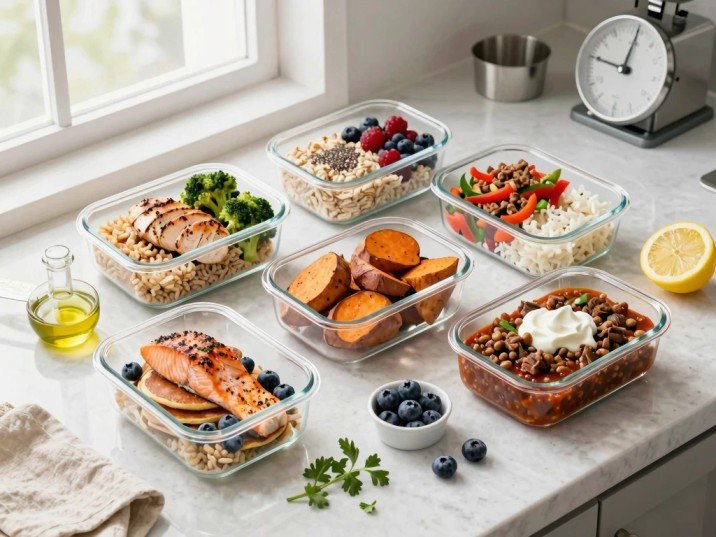
Saturday is where consistency is built or broken. Spend an hour batch-cooking and you remove every excuse to eat badly from Monday to Thursday. Cook a large pot of brown rice, grill a full tray of chicken, boil a dozen eggs, roast a sheet pan of mixed vegetables, and pre-portion into containers. The meals practically make themselves for the rest of the week.
Breakfast — Full Cooked Protein Breakfast Three scrambled eggs, two turkey bacon rashers, grilled mushrooms and halved cherry tomatoes, a full tin of baked beans (underrated — one tin contains around 20 grams of protein and significant fibre), and two slices of whole grain toast. A proper breakfast that keeps hunger down until lunch. 720 cal | 52g protein | 72g carbs | 18g fat
Lunch — The Build-Your-Own Grain Bowl Whatever you batch-cooked this morning goes into this. Brown rice or quinoa base, grilled chicken or tuna, a large handful of leafy greens, roasted veg from the sheet pan, a sprinkle of pumpkin seeds, and a drizzle of tahini loosened with lemon juice and water. Endlessly flexible. Never boring if you rotate the dressing. 620 cal | 46g protein | 64g carbs | 16g fat
Afternoon Snack Greek yogurt (200g, full-fat) with a tablespoon of honey and a handful of mixed berries. 320 cal | 20g protein | 38g carbs | 8g fat
Dinner — Lentil and Beef Soup Brown 150g of lean beef mince in a heavy pot. Add one cup of dried red lentils (rinsed), one tin of chopped tomatoes, two carrots diced, two celery stalks, four cloves of garlic, a teaspoon each of cumin and paprika, and one litre of low-sodium vegetable stock. Bring to a boil, then simmer for 35 to 40 minutes. A single cooked cup of lentils delivers approximately 18 grams of protein and 40 grams of complex carbohydrate. This soup costs less than four pounds to make, tastes better the next day, and freezes perfectly. Serve with two thick slices of whole grain bread. 680 cal | 48g protein | 72g carbs | 14g fat
Day 6 Total: 2,940 cal | 186g protein | 282g carbs | 72g fat (Fat slightly lower today — add a handful of nuts or a tablespoon of olive oil to the soup to bring it up if needed.)
Day 7 — Sunday: Reset, Recover, Reflect
Breakfast — Smoothie Bowl Blend one frozen banana, one cup of frozen mango, half a cup of full-fat plain Greek yogurt, one scoop of vanilla whey protein, and a small splash of oat milk until thick and smooth. Pour into a bowl — it should be thick enough to hold toppings. Top with a small amount of low-sugar granola, sliced fresh kiwi, a tablespoon of chia seeds, and a drizzle of almond butter. Takes five minutes. Feels like something from a wellness café. 580 cal | 38g protein | 68g carbs | 14g fat
Mid-Morning Snack Three hard-boiled eggs with a medium apple and a small handful of walnuts. 320 cal | 20g protein | 24g carbs | 18g fat
Lunch — Fish Tacos 180g of grilled white fish — tilapia or cod works well, both are cheap and lean — in two corn tortillas. Top with a quick yogurt coleslaw made from shredded white cabbage, a large spoonful of plain Greek yogurt, fresh lime juice, and a pinch of salt. Add sliced avocado and another squeeze of lime. Serve with a tin of black beans on the side. Light, high-protein, and a nice change from the heavier meals earlier in the week. 620 cal | 46g protein | 58g carbs | 18g fat
Afternoon Snack Cottage cheese (150g) with half a tin of pineapple chunks in juice, drained. 240 cal | 20g protein | 24g carbs | 4g fat
Dinner — Simple, Solid, Effective 200g of baked chicken thighs (skin removed, seasoned with garlic powder, paprika, and sea salt), roasted sweet potato wedges, garlic butter green beans, and a large glass of whole milk. This is not the most exciting meal of the week. It is supposed to close the week quietly, fuel overnight recovery, and set you up to do it all again from Monday. The simplicity is deliberate. 680 cal | 50g protein | 62g carbs | 20g fat
Day 7 Total: 2,940 cal | 174g protein | 264g carbs | 78g fat
Full Week Summary Table — Daily Macro Totals
| Day | Calories | Protein | Carbs | Fat | Training? |
|---|---|---|---|---|---|
| Monday | 3,000 | 207g | 290g | 102g | Yes |
| Tuesday | 2,980 | 202g | 306g | 94g | Yes |
| Wednesday | 2,580 | 194g | 222g | 80g | Rest |
| Thursday | 2,860 | 180g | 264g | 102g | Yes |
| Friday | 2,860 | 194g | 290g | 86g | Yes |
| Saturday | 2,940 | 186g | 282g | 72g | Optional |
| Sunday | 2,940 | 174g | 264g | 78g | Rest |
| Weekly Avg | 2,880 | 191g | 274g | 88g | — |
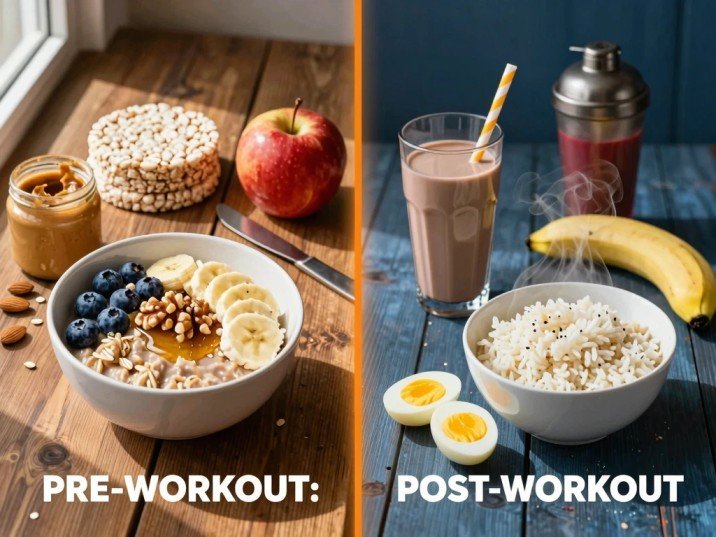
Pre-Workout and Post-Workout Nutrition — What Actually Matters
This is the area I got wrong for longer than I want to admit.
Before Training
Eat one to three hours before your session. The goal is simple: carbohydrates to top up muscle glycogen stores, and protein to provide amino acids available during and after training. You do not need a massive meal. You need enough fuel without feeling heavy.
Best pre-workout combinations that have worked consistently for my clients:
- Oats with banana and a spoon of peanut butter
- Chicken breast with white or brown rice
- Greek yogurt with granola and a piece of fruit
- Whole grain toast with peanut butter and a glass of milk
If you train early in the morning and a full meal is not realistic, eat something 30 to 60 minutes before — even a banana with almond butter is meaningfully better than nothing. What you want to avoid is high-fat, high-fibre food immediately before training. These slow gastric emptying, can cause discomfort during heavy lifting, and divert blood flow to digestion at exactly the wrong moment.
After Training
The idea that you must eat protein within 30 minutes or your session was “wasted” is not how it works. Research has moved on from that. A 2013 meta-analysis by Schoenfeld et al. in the Journal of the International Society of Sports Nutrition found that the most important variable for muscle protein synthesis was total daily protein intake — not the precise timing of the post-workout meal. That said, eating within 90 minutes of finishing training is still a sensible target. Your muscles are primed, your appetite is usually returning, and getting protein and carbohydrates in supports recovery.
Target 20 to 40 grams of quality protein and a moderate serve of fast-digesting carbohydrates after training. Best options:
- Whey protein shake with banana, followed by a full meal within 90 minutes
- Chicken with white rice (slightly faster-digesting post-workout than brown)
- Chocolate milk (genuinely effective — see Day 5 notes above)
- Eggs with toast and a piece of fruit
Before Sleep
This is the one most plans miss entirely. Casein protein or high-protein dairy (Greek yogurt, cottage cheese) consumed 30 to 45 minutes before sleep provides a slow, sustained release of amino acids across the six to eight hours of overnight recovery. The research on this is solid — Res et al. (2012) demonstrated that pre-sleep casein ingestion stimulated overnight muscle protein synthesis at rest and significantly improved whole-body protein balance compared to placebo. This habit is free, takes 30 seconds, and most people still are not doing it.
The Master List of Best Foods for Muscle Gain
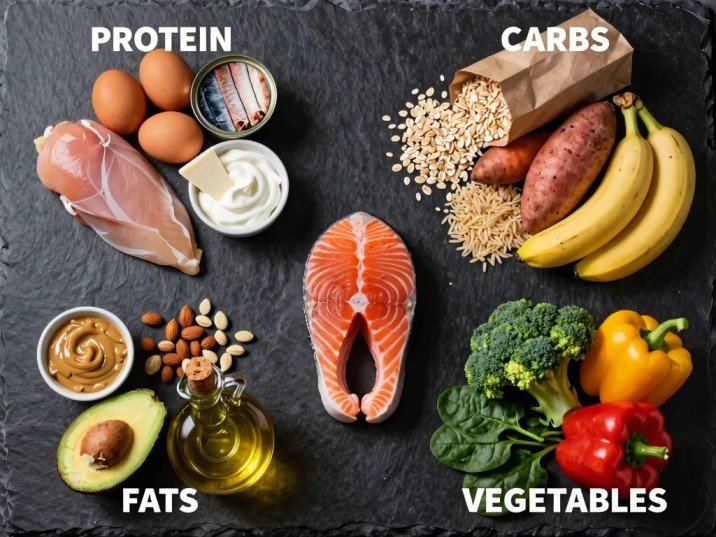
High-Protein Staples Chicken breast, chicken thighs (boneless), lean beef mince (90 percent lean), sirloin steak, whole eggs, egg whites, full-fat Greek yogurt, cottage cheese, canned tuna (in olive oil), salmon, tilapia, cod, shrimp, whey protein, casein protein, tempeh, edamame, and lentils.
Carbohydrate Sources — Training Fuel Rolled oats, brown rice, white rice (post-workout), quinoa, sweet potatoes, regular potatoes, whole grain bread, whole grain pasta, bananas, black beans, kidney beans, chickpeas, and baked beans.
Healthy Fat Sources Avocado, extra virgin olive oil, almonds, walnuts, cashews, almond butter, peanut butter, whole eggs, salmon, mackerel, sardines, chia seeds, flaxseeds, hemp seeds.
The Underrated Foods Most Plans Ignore
Whole milk. Cheap, calorie-dense, excellent protein-to-calorie ratio. Studies comparing whole milk to skim milk post-workout consistently favour whole milk for muscle protein synthesis outcomes — the fat appears to play a role in amino acid availability.
Chocolate milk. A 2006 study (Karp et al.) demonstrated it matches commercial recovery drinks for glycogen replenishment. Athletes have been using it for decades. It is only dismissed because it does not look serious enough.
Baked beans. One 400g tin contains around 20 grams of protein and significant complex carbohydrates. Costs less than a pound. Requires zero preparation. Nobody in the fitness industry talks about baked beans, which is a shame.
Lentils. One cooked cup: roughly 18 grams of protein, 40 grams of carbohydrate, 16 grams of fibre. Budget-friendly and versatile. The lentil soup on Day 6 of this plan is one of the highest-value muscle-building meals I know of per pound spent at the supermarket.
Pineapple. Contains bromelain, a proteolytic enzyme that may support dietary protein digestion and has been shown in some studies to reduce post-exercise muscle soreness. Small edge, but a real one.
Foods That Slow or Stall Muscle Growth
These are the thing which slow or stall Muacle Growth.
Alcohol Suppresses muscle protein synthesis directly. Disrupts the deep sleep stages where growth hormone release is highest. Two or three drinks on a Friday is unlikely to ruin weeks of progress. Regular drinking — three or more nights per week — will absolutely cap your results regardless of how well you eat otherwise.
Ultra-Processed Foods These can help hit calorie targets but come at a cost: poor micronutrient profiles mean missing zinc, magnesium, vitamin D, and B vitamins — all of which directly support muscle repair, hormone function, and energy metabolism. Build your diet on whole foods. Use processed options to fill gaps, not as the foundation.
Trans Fats Present in some fried foods and older highly processed products. Harmful to cardiovascular health and should be removed from a muscle gain diet entirely. Check labels — anything listing “partially hydrogenated oils” contains trans fats.
Low-Fat and Fat-Free Dairy Counter-intuitive but real. Research suggests whole-milk protein is more anabolic than skim milk protein, and the fat-soluble vitamins (A, D, K2) in full-fat dairy support hormone production and calcium absorption. Do not fear full-fat dairy when your goal is muscle gain.
Sugary Drinks Soda, energy drinks, and sweetened juice spike blood sugar without delivering protein or meaningful micronutrients. They compete for stomach volume with the nutrient-dense food your muscles actually need.
The Habits Nobody Talks About (But That Change Everything)
The 7-day plan above is the foundation. These habits are what compound the results.
Sleep 7 to 9 Hours Per Night Growth hormone — the primary driver of overnight muscle repair and protein synthesis — is released predominantly during slow-wave deep sleep. Poor sleep does not just make you tired. It actively reduces the muscle-building response to resistance training. There is no supplement that compensates for consistent sleep deprivation. Prioritise it as seriously as the training itself.
Track Your Food for at Least Four Weeks Most people significantly underestimate how many calories they eat and overestimate how much protein they get. Apps like MyFitnessPal, Cronometer, or MacroFactor make tracking fast and accurate. You do not need to track forever. Four to six weeks gives you enough data to understand your real intake and make confident adjustments.
Eat Consistently — Not Perfectly One off-plan meal does not break a muscle gain diet. Skipping meals regularly, consistently missing protein targets, and eating 400 to 500 calories below target most days will. Aim for 80 to 90 percent compliance across the week. That level of consistency, sustained for months, produces real physical change.
Weigh Yourself Weekly — Never Daily Daily body weight swings by one to three pounds based on water retention, food volume, sodium intake, and hormones. Weekly averages give a far more reliable picture of what is actually happening to your body composition. Weigh yourself once per week, same morning, same conditions, and track the trend across four to six weeks before drawing conclusions.
Adjust Every Four to Six Weeks A caloric surplus that supports muscle gain at 165 pounds becomes maintenance at 175 pounds. Your intake needs to scale with your body weight. Reassess calories and protein targets monthly. The plan that got you here may not be what gets you to where you are going.
The Six Mistakes That Kill Progress on a Muscle Gain Diet
Mistake 1 — Eating Too Little Protein By far the most common. Most people who believe they are hitting protein targets are not, until they actually track. Typical uninformed daily protein intake: 60 to 90 grams. Actual requirement for meaningful muscle gain: 140 to 190 grams. The gap is enormous and directly explains why so many people train consistently and show limited results.
Mistake 2 — Treating Supplements as a Diet Strategy Protein powder is a supplement — a convenient way to hit daily protein targets when whole food is impractical. It is not a meal. Creatine supports performance, it does not replace a caloric surplus. Build your diet entirely on whole foods first. Supplements fill specific gaps. They do not create the structure.
Mistake 3 — Cutting Carbs Alongside Lifting Some people try to build muscle and lose fat simultaneously by cutting carbohydrates aggressively. The result: reduced training intensity, weaker growth stimulus, slower overall progress. A modest caloric surplus with consistent resistance training allows gradual, relatively lean muscle gain. Trying to simultaneously bulk and cut as a beginner rarely works and almost always leads to frustration.
Mistake 4 — Skipping Breakfast After seven to nine hours of overnight fasting, your body has burned through liver glycogen and is drawing on circulating amino acids. Getting protein in within an hour of waking stops that catabolic drift and provides the amino acids your muscles need for the day ahead. Breakfast does not need to be elaborate. It needs protein.
Mistake 5 — Undereating on Rest Days Muscles rebuild on rest days, not training days. The repair process is active and energy-demanding. Significantly cutting calories on rest days to “compensate” for not training interrupts recovery at the exact time the body needs resources most. Keep protein intake constant every single day. Slight carbohydrate reduction on rest days is fine. Protein reduction is not.
Mistake 6 — Ignoring Micronutrients A muscle gain diet built entirely on chicken, white rice, and protein shakes will be deficient in zinc, magnesium, vitamin D, iron, and several B vitamins — all of which play direct roles in muscle protein synthesis, hormone production, and training recovery. Eat a wide variety of vegetables, fruits, whole grains, and diverse protein sources. Diversity in the diet is not optional when you are asking your body to perform and recover at a high level.
Supplements Worth Your Money — And What to Leave on the Shelf
Worth Buying
Whey Protein — Fast-absorbing, well-researched, and genuinely useful for hitting daily protein targets conveniently. Best used post-workout or to bridge gaps between whole food meals. Not a meal replacement.
Creatine Monohydrate — The most consistently supported performance supplement in sports nutrition research. Five grams per day, every day, no loading phase required, no cycling. It works by increasing phosphocreatine availability in muscle cells, which enhances ATP regeneration during short, intense efforts. Safe for healthy adults, inexpensive, and effective. Examine.com has compiled over 700 individual studies on creatine — the evidence base is as strong as anything in sports nutrition.
Caffeine — A cup of black coffee 30 to 45 minutes before training delivers measurable ergogenic benefit: improved strength, endurance, and focus. Costs pennies compared to pre-workout products, most of which are built around caffeine anyway. Start with one cup. More is not always better.
Casein Protein — Worth considering if you do not enjoy eating Greek yogurt or cottage cheese before bed. Slow-digesting, supports overnight muscle protein synthesis. One serving before sleep covers the overnight window your muscles spend in active repair.
Not Worth the Money
BCAAs are largely redundant if you are hitting your daily protein targets through food. Testosterone boosters have minimal clinical evidence for healthy adults with normal hormone levels. Fat burners are counterproductive on a muscle gain diet and many carry safety concerns. Proprietary blends with undisclosed dosages make it impossible to know what you are actually consuming.
Full Weekly Grocery List for This Plan
Take this to the supermarket. It covers the full seven days with minimal waste.
Proteins
- Chicken breasts — 1 kg
- Chicken thighs, boneless skinless — 500g
- Lean beef mince, 90% lean — 500g
- Sirloin steak — 2 × 180g portions
- Salmon fillets — 3 × 180g
- Smoked salmon — 90g pack
- White fish (tilapia or cod) — 1 × 180g fillet
- Canned tuna in olive oil — 4 tins
- Eggs — 2 dozen
- Full-fat plain Greek yogurt — 1 kg tub
- Cottage cheese — 500g tub
- Whole milk — 2 litres
- Chocolate milk — 1 small carton (for post-workout Day 5)
- Whey protein powder — enough for 7 scoops
- Casein protein — optional, for bedtime (or use Greek yogurt)
Carbohydrates
- Rolled oats — large pack
- Brown rice — 1 kg
- Quinoa — 500g
- Sweet potatoes — 4 medium
- Regular potatoes — 4 medium
- Whole grain bread — 1 loaf
- Whole grain tortillas — 1 pack of 8
- Whole grain bagels — 4-pack
- Whole grain wraps — 1 pack
- Black beans, canned — 2 tins
- Kidney beans, canned — 1 tin
- Red lentils — 500g dry
- Baked beans — 2 tins
- Bananas — 1 bunch (7–8)
- Blueberries — punnet or frozen bag
- Frozen mango — 1 bag
- Kiwi fruit — 3 or 4
- Pineapple — 1 small tin in juice
- Dried cranberries — small bag
- Medjool dates — small pack (for Day 5 energy balls)
- Mixed berries — fresh or frozen bag
Fats
- Avocados — 4 to 5
- Extra virgin olive oil — 500ml bottle
- Almond butter — 1 jar
- Peanut butter — 1 jar
- Mixed unsalted nuts — large bag
- Walnuts — small bag
- Chia seeds — small bag
- Ground flaxseed — small bag
- Almonds — small bag (for energy balls)
Vegetables
- Baby spinach — large bag
- Broccoli — 1 large head
- Brussels sprouts — 1 bag
- Bell peppers — mixed 4-pack
- Snap peas — 1 bag
- Green beans — 1 bag
- Romaine lettuce — 2 heads
- Cherry tomatoes — 1 punnet
- Mushrooms — 1 punnet
- Red onion — 2
- White onion — 2
- Carrots — small bag (for lentil soup)
- Celery — 1 bunch
- White cabbage — 1 small head (for fish taco coleslaw)
- Garlic — 1 full head
- Fresh lemon — 3
Pantry and Extras
- Soy sauce, low sodium
- Sesame oil
- Honey — small jar
- Paprika, cumin, garlic powder, chilli flakes, sea salt, black pepper
- Vegetable stock — 2 cartons low sodium
- Rice cakes — 1 pack
- Granola — small pack (low sugar)
- Capers — small jar (for salmon bagel)
- Full-fat cream cheese — small tub
- Sriracha or hot sauce — optional
7-Day Muscle Gain Meal Plan — At a Glance Table
| Day | Breakfast | Lunch | Dinner | Daily Protein | Training |
|---|---|---|---|---|---|
| Monday | Scrambled eggs + toast | Chicken + brown rice | Baked salmon + sweet potato | 207g | Yes |
| Tuesday | Overnight oats + protein | Turkey stir fry + rice | Baked chicken thighs | 202g | Yes |
| Wednesday | Feta omelette + toast | Tuna wrap + nuts | Beef and lentil chili bowl | 194g | Rest |
| Thursday | Protein pancakes + yogurt | Chicken Caesar salad | Ground beef tacos | 180g | Yes |
| Friday | Smoked salmon bagel | Burrito bowl | Sirloin steak + roasted veg | 194g | Yes |
| Saturday | Full cooked breakfast | Loaded grain bowl | Lentil and beef soup | 186g | Optional |
| Sunday | Smoothie bowl | Fish tacos + black beans | Baked chicken + sweet potato | 174g | Rest |
Wrapping Up
None of this is complicated. A muscle gain diet plan for 7 days is not some secret that requires specialised knowledge or expensive ingredients. It is consistent protein across four or more meals, a modest caloric surplus, carbohydrates that fuel training, and the patience to repeat the process week after week.
The week I started doing that — actually following a structured plan rather than winging every meal — was the week everything in the gym started working properly. Not because I was doing anything different under the bar. Because my body finally had what it needed to respond.
Start Monday. Follow the plan for seven days. See how you feel. Then do it again.
Disclaimer: This content is written for general informational and educational purposes. It does not constitute medical advice, personalised nutritional guidance, or a substitute for consultation with a registered dietitian or qualified healthcare provider. Individual needs vary. If you have pre-existing health conditions, kidney disease, metabolic disorders, or are on medication, speak with your doctor before making significant dietary changes.
Frequently Asked Questions
How much protein do I actually need per day to build muscle?
The evidence-backed range sits at 0.7 to 1.0 gram of protein per pound of body weight daily. A 175-pound person needs 125 to 175 grams per day. The ISSN (2017) position stand supports this range. Distribute it across at least four meals — roughly 35 to 45 grams per meal — to maximise muscle protein synthesis throughout the day rather than spiking and crashing.
Can I follow a 7-day muscle gain diet plan as a vegetarian or vegan?
Yes. Replace animal proteins with tofu, tempeh, seitan, lentils, chickpeas, edamame, and plant-based protein powder. You will need to combine protein sources thoughtfully to ensure you get all nine essential amino acids — pairing rice and beans, for example, covers this well. A plant-based diet can fully support muscle growth with good planning. It requires slightly more attention to total intake but the outcome is achievable.
Should I eat differently on rest days versus training days?
Keep protein identical every day — your muscles are actively repairing on rest days and need the amino acids just as much. You can modestly reduce simple carbohydrates and lean into micronutrient-rich vegetables and whole foods on rest days. Protein and total calories should stay close to training day levels. Day 3 in this plan is the rest-day template.
Do I really need to eat within 30 minutes after training?
No. The post-workout anabolic window is wider than the fitness industry once claimed. A 2013 meta-analysis (Schoenfeld et al., JISSN) showed that total daily protein intake matters far more than the precise post-workout timing window. That said, eat within 90 minutes of finishing training. Do not wait several hours. The window is wider than 30 minutes — it is not unlimited.
How many meals per day should I eat to gain muscle?
At least four meals containing protein. Distributing protein across four or five meals per day produces better muscle protein synthesis outcomes than eating the same total in two or three larger meals (Areta et al., AJCN, 2013). Three meals and two snacks covers this comfortably for most people.
Is a cheat meal going to ruin my muscle gain diet?
One flexible meal per week will not affect progress meaningfully. The issue is when one meal becomes a cheat weekend, or when cheat meals are used to compensate for under-eating protein all week. Stay consistent 80 to 90 percent of the time. Occasional flexibility within that is completely fine.
What if I cannot eat enough food to hit my calorie target?
Liquid calories are your best tool. Whole milk, protein shakes, and smoothies deliver significant calories and protein without the volume that makes solid food feel overwhelming. Nut butters, avocados, olive oil, and full-fat dairy are calorie-dense additions that add minimal stomach bulk. Eating five or six smaller meals can also feel more manageable than forcing three large ones.
How long until I see visible results on a muscle gain diet plan for 7 days?
Strength improvements typically show up within three to six weeks of consistent eating and training. Visible muscle changes — the kind other people notice — generally take eight to twelve weeks minimum. Building meaningful muscle mass is a months-long process. The people who get there are the ones who do not quit after six weeks because the mirror has not changed yet. It will. Keep going.
I am 40 or older. Does this plan still apply?
Yes, with one modification: push protein intake toward the higher end of the range — 1.0 to 1.2 grams per pound of body weight. Muscle protein synthesis efficiency decreases with age, meaning older adults need more dietary protein to achieve the same anabolic response as younger lifters. Leucine-rich sources — chicken, whey protein, eggs — are particularly effective at stimulating MPS in older individuals. Sleep and recovery become proportionally more important with age as well. The plan above works. Eat more protein and sleep more.
Do I actually need supplements to make this plan work?
No. The 7-day muscle gain diet plan above delivers everything your body needs through whole food. Creatine monohydrate and whey protein are genuinely useful additions — not because the diet fails without them, but because they make the plan easier to execute consistently. Get your food dialled in first. Then consider creatine. Everything else is optional.