Table of Contents
- 9 Things to Avoid on Eid al Adha for Good Health
- 1. Eating Freshly Slaughtered Meat Too Soon
- 2. Skipping Breakfast Before the Big Eid Feast
- 3. Eating Too Much Red Meat in One Sitting
- 4. Drinking Fizzy Drinks With Your Meat Meals
- 5. Neglecting Vegetables and Fibre Entirely
- 6. Storing Meat Incorrectly or For Too Long
- 7. Lying Down or Sleeping Right After Eating
- 8. Forgetting to Drink Enough Water
- 9. Completely Abandoning Physical Movement
- Special Warning: People With Chronic Conditions
- Eid ul Adha Health Tips: Quick Reference Table
- Final Thoughts
- FAQs: 9 Things to Avoid on Eid ul Adha for Good Health
DISCLAIMER
This article is written for general health and educational purposes only. It is not a substitute for professional medical advice, diagnosis, or treatment. Always consult your doctor or a qualified healthcare provider before making significant dietary changes, especially if you have chronic conditions such as diabetes, high blood pressure, kidney disease, or heart problems. Individual health needs vary.
9 Things to Avoid on Eid al Adha for Good Health (That Everyone Gets Wrong)
Every Eid ul Adha, without fail, my uncle ends up on the sofa by evening — clutching his stomach, unable to move, looking like he regrets every single bite of karahi he had that afternoon.
It’s basically a tradition at this point.
And honestly? He is not alone. Every year, across millions of households, the same story plays out. People celebrate hard, eat without limits, and then spend the next two or three days dealing with bloating, indigestion, spikes in blood pressure, or worse — a hospital visit. Knowing the 9 things to avoid on Eid ul Adha for good health can save you from all of this — and almost every single one of these mistakes is completely preventable.
Eid ul Adha is one of the most sacred and beautiful occasions in Islam — a celebration of sacrifice, gratitude, and community. The meat from Qurbani is a blessing. But how we handle, cook, eat, and store that meat makes all the difference between a celebration that leaves you energized versus one that leaves you flat on your back.
I’ve spent years watching what goes wrong in my own family and reading what nutrition experts and doctors actually say about Eid ul Adha eating habits. Here are the 9 things to avoid on Eid ul Adha for good health — things that are easy to miss in the excitement of the day.
1. Eating Freshly Slaughtered Meat Too Soon
This one surprises a lot of people, but it is genuinely important.
Right after an animal is slaughtered, the muscle tissue goes through a natural biological process called rigor mortis — the muscles become stiff and very tough as a reaction to the slaughter. Eating this meat too soon, especially within the first few hours, makes it extremely difficult to digest. Nutrition experts recommend waiting at least 12 to 24 hours before cooking and eating freshly slaughtered Qurbani meat.
Consultant nutritionist Dr. Arooj Ejaz advises waiting at least 30 minutes before even beginning to process the meat after slaughter — and ideally resting it much longer before consumption. The connective tissue needs time to relax, which makes the meat softer, more flavorful, and far easier on your stomach.
The practical fix? Store the fresh meat in the refrigerator after it has cooled, let it rest overnight, and cook it on Day 2 of Eid. Your gut will thank you.
2. Skipping Breakfast Before the Big Eid Feast
This is the classic mistake that sets up the entire day to go wrong.
Many people wake up on Eid ul Adha and skip breakfast entirely to “save space” for the big meal later. It feels logical — eat nothing now, enjoy more later. But in reality, eating on an empty stomach and then facing a heavy, fatty, high-protein meal causes a chain reaction of digestive chaos. Blood sugar drops in the morning, you arrive at lunch ravenous, your portion control goes out the window, and your digestive system is suddenly flooded with more work than it can handle at once.
Nutrition experts specifically warn against eating meat on an empty stomach first thing in the morning, as it is a known trigger for acid reflux, bloating, and indigestion.
Start your Eid morning with a light, balanced breakfast — whole-grain bread, low-fat cheese, a boiled egg, some fruit, or a small bowl of oats. Give your digestive system a solid foundation before the meat dishes arrive. It makes a real difference in how your body handles the rest of the day.
3. Eating Too Much Red Meat in One Sitting
Let’s address the elephant — or rather, the cow — in the room.
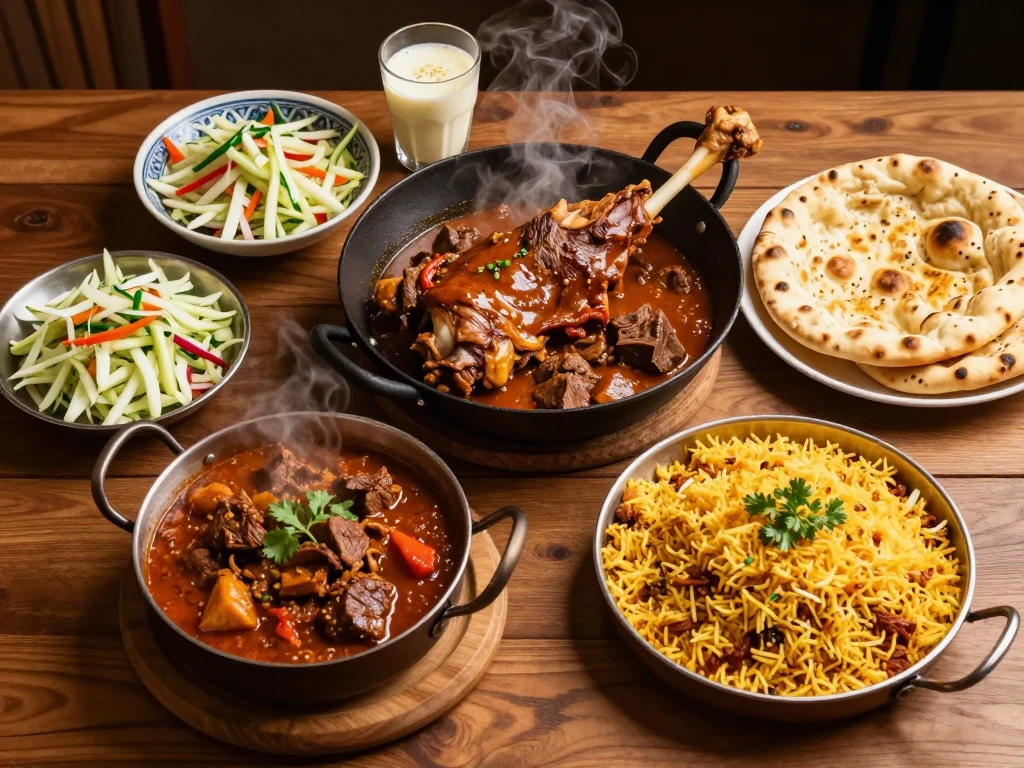
Eid ul Adha means meat. Biryani, nihari, karahi, kebabs, tikka, kaleji — all arriving at the table at once, and everyone urging you to eat more. The social pressure to load your plate is enormous. But the health consequences of extreme red meat overconsumption during Eid are real and well-documented.
Red meat — especially beef and mutton — is rich in saturated fat and cholesterol. Eating it in large amounts over three days of Eid can raise LDL (bad) cholesterol, spike blood pressure, strain the kidneys and liver, and cause severe digestive slowdown. Doctors and nutritionists consistently report a noticeable increase in hospital visits immediately after Eid ul Adha — patients presenting with digestive emergencies, blood pressure spikes, and cholesterol-related events.
A sensible approach: stick to a portion size of around 100–150g of meat per meal. Choose leaner cuts — the fat-trimmed sections of beef, or lean mutton. If you can, mix your plate with grilled or baked meat rather than deep-fried versions, and always balance the meal with vegetables.
Eating mindfully is one of the most important 9 things to avoid on Eid ul Adha for good health — and overconsumption of red meat sits right at the top of that list. Eat meat because it is a blessing from your Qurbani. Not because it is a competition.

4. Drinking Fizzy Drinks With Your Meat Meals
This is one of the most common habits during Eid gatherings — and one of the worst for your digestion.
Cold soft drinks feel refreshing alongside a heavy, spicy meal, but what they actually do is interfere with your digestion in a significant way. The carbon dioxide in fizzy drinks causes gas and bloating. The high sugar content spikes blood glucose rapidly — especially dangerous for people with diabetes or pre-diabetes. And when you pair sugary, carbonated drinks with a high-protein meat meal, you slow down the breakdown of proteins in your stomach, leading to that uncomfortable, heavy, stuck feeling that lasts for hours.
People with high blood pressure or diabetes should be especially careful, as the sugar and sodium in fizzy drinks can push already elevated readings higher during Eid when dietary control is already compromised.
Instead, reach for plain water, lemon water, or yogurt-based drinks like lassi or doogh after your meat meals. Green tea after a heavy meal is also proven to support digestion and increase your metabolic rate. Your stomach processes the meal much more efficiently, and you actually feel better within the hour.
5. Neglecting Vegetables and Fibre Entirely
Walk into almost any Eid ul Adha spread and count the vegetables on the table. Go ahead. You will find rice, naan, meat dishes, more meat dishes, and perhaps a small bowl of kachumber salad sitting apologetically in the corner, untouched. This is one of the 9 things to avoid on Eid ul Adha for good health that quietly does the most damage — because it compounds every other problem on this list.
This is a serious problem.
Red meat is very low in dietary fibre, and when you eat large quantities of it without any fibre-rich vegetables, fruits, or whole grains, your digestive system slows dramatically. The result is constipation, bloating, and discomfort that can last several days after Eid. Medical experts specifically note that Eid-related digestive problems are almost always worsened when meals lack adequate fibre.
Fibre does something else critical during a high-meat meal — it slows the absorption of fat and cholesterol, which helps moderate the impact of all that red meat on your cardiovascular system.
Make it a rule: every plate of meat gets a side of real vegetables. Cucumber, tomatoes, carrots, spinach, grilled courgette, lentil dal — anything counts. Insist on a fruit salad somewhere in the meal. Your digestive health over the three days of Eid depends heavily on whether you make room for fibre or not.
6. Storing Meat Incorrectly or For Too Long
The excitement of Qurbani means most households end up with far more meat than they can eat in a few days. And this is where one of the most serious health risks of Eid ul Adha begins — improper meat storage.
Raw meat left at room temperature for more than two hours enters the bacterial danger zone where pathogens like Salmonella and E. coli multiply rapidly. Meat that is not portioned, wrapped, and refrigerated or frozen promptly after Qurbani can cause severe food poisoning — with symptoms including vomiting, diarrhoea, and fever. Food safety experts warn that raw meat should never come into contact with fruits, vegetables, or cooked foods during storage or preparation.
Proper meat storage protocol for Eid:
- Divide meat into meal-sized portions immediately after processing
- Store what you will use in two to three days in the refrigerator
- Freeze the rest in airtight bags or containers
- Always thaw frozen meat on the bottom shelf of the refrigerator — never at room temperature
- Clean and sanitise knives, chopping boards, and surfaces after raw meat contact
- Use separate cutting boards for meat and vegetables
Many nutrition experts also caution against storing Qurbani meat in the freezer for more than three weeks, as quality and safety both decline significantly over time.
7. Lying Down or Sleeping Right After Eating
Eid day is long, social, and tiring. After a heavy afternoon meal it feels completely natural to stretch out on the sofa or take a nap. But lying down within two hours of a large, rich meal is one of the most reliable ways to trigger acid reflux, heartburn, and severe indigestion.
When you are horizontal, stomach acid can flow back into the esophagus far more easily — causing a burning sensation, discomfort, and disrupted sleep. After a high-fat, high-protein meal like Eid food, the stomach is working harder than usual to break everything down, and lying flat interrupts that process. So go for a walk or do 10-minute workout at home.
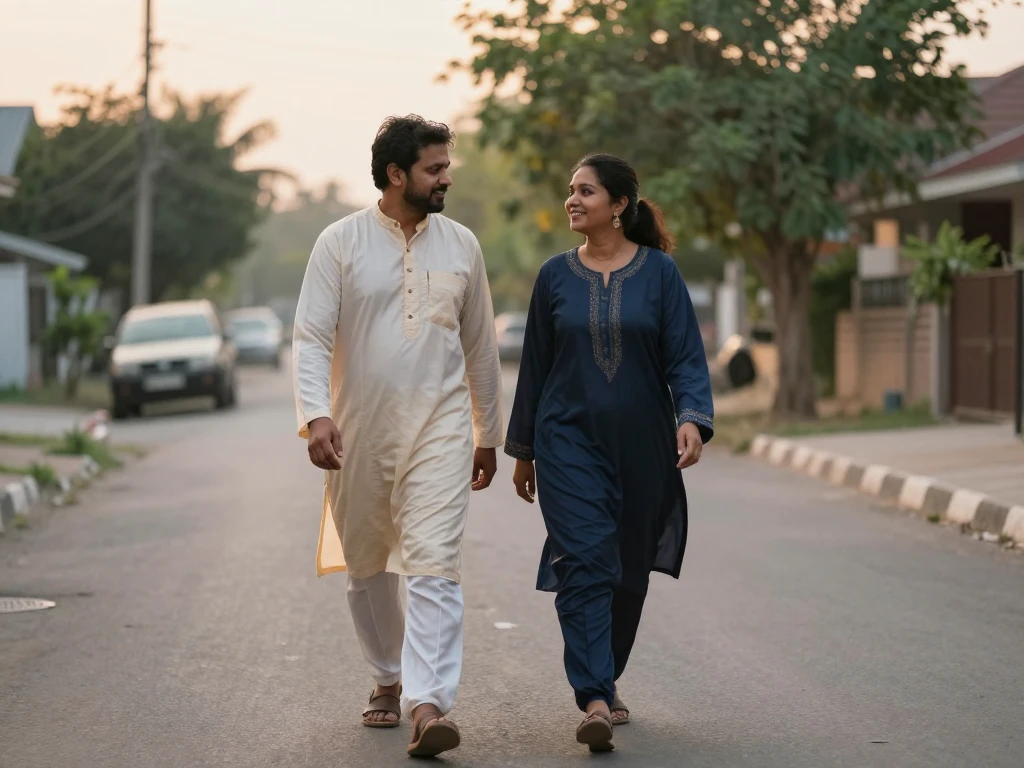
The recommendation from digestive health professionals is to wait at least two hours after eating before lying down, and ideally to go for a short, gentle walk instead. Even 15 to 20 minutes of light walking after a meal significantly improves digestion, helps regulate blood sugar response, and reduces the risk of that post-meal heavy feeling that ruins the rest of the day.
It sounds simple, but this one habit alone can transform how your body handles three days of celebratory eating. If you are serious about the 9 things to avoid on Eid ul Adha for good health, making this change costs you nothing and protects your digestion more than almost anything else on this list.
8. Forgetting to Drink Enough Water
Between the excitement, the guests, the cooking, and the socializing, water intake often falls off completely during Eid ul Adha. People reach for sugMove to Trashary drinks, tea, and soft drinks instead — none of which adequately hydrate the body, and some of which actively dehydrate it.
This matters more during Eid than on a typical day. High protein consumption — all that red meat — creates a greater demand on your kidneys to filter waste products including urea and creatinine. Without adequate water, this burden increases, and people with pre-existing kidney conditions face real risk of complications.
Dehydration during heavy meat-eating also contributes directly to constipation, headaches, and low energy — all common Eid complaints that people attribute to “too much food” when the real culprit is often simply not enough water.
The target during Eid days: 8 to 10 glasses of water spread throughout the day. Keep a water bottle with you. Drink a glass of water before every meal — it also helps with portion control. And if you are in a warm climate and spending time outdoors, increase that amount accordingly.
9. Completely Abandoning Physical Movement
Eid ul Adha tends to involve a lot of sitting — around the table, in the living room with family, in the car visiting relatives, and eventually on the sofa watching television. Physical movement drops dramatically across all three days of celebration, while calorie intake goes up significantly. This combination is the perfect recipe for sluggish digestion, energy crashes, and feeling heavy and uncomfortable throughout.
You do not need to go to the gym on Eid. Nobody expects that, and that is perfectly fine. But some basic movement — a 15 to 20 minute walk after meals, playing with the children, taking the stairs instead of the lift when visiting family — makes a genuine, measurable difference in how your body processes the holiday eating.
Walking after meals is particularly effective because it activates your digestive system, lowers the post-meal blood sugar spike (especially important for diabetics), and keeps your energy stable instead of crashing into a food coma. Even a slow, 10-minute walk is far better than lying down for two hours after lunch. Movement is the final piece of the puzzle when it comes to the 9 things to avoid on Eid ul Adha for good health — and the easiest one to act on right now.
Think of it as a gift to your body on a day that is already full of blessings.
Special Warning: People With Chronic Conditions
If you or anyone in your household has diabetes, high blood pressure, heart disease, kidney disease, high uric acid, or liver problems — Eid ul Adha requires extra caution.
Medical experts consistently note that many patients forget their dietary restrictions during Eid, and the combination of excessive red meat, high sodium in spicy dishes, sugary drinks, and physical inactivity can significantly worsen existing conditions and in some cases lead to hospitalisation.
People managing these conditions should:
- Continue all medications on schedule without interruption
- Limit red meat portions strictly — lean meat only, in small quantities
- Avoid organ meats like liver (kaleji) and kidney if on uric acid or kidney medications
- Choose grilled, baked, or boiled preparations over fried or heavily spiced dishes
- Monitor blood pressure and blood sugar more frequently across the three days of Eid
- Consult their doctor in advance for personalized Eid dietary guidance
Enjoying Eid ul Adha with a health condition is absolutely possible. It just requires a little more planning.
Eid ul Adha Health Tips: Quick Reference Table
| What to Avoid | Why It’s Harmful | Healthier Alternative |
|---|---|---|
| Eating fresh meat immediately | Rigor mortis makes it hard to digest | Rest meat 12–24 hours first |
| Skipping breakfast | Leads to overeating at main meal | Light breakfast of eggs, bread, fruit |
| Overconsumption of red meat | Raises cholesterol, strains kidneys | Limit to 100–150g per meal |
| Fizzy drinks with meals | Bloating, blood sugar spikes | Water, lemon water, lassi, green tea |
| No vegetables or fibre | Constipation, digestive slowdown | Add salad, dal, or grilled veg to every plate |
| Improper meat storage | Food poisoning, bacterial contamination | Portion, refrigerate, freeze promptly |
| Lying down after eating | Acid reflux, indigestion | Short walk, wait 2 hours before resting |
| Not drinking enough water | Dehydration, kidney strain, constipation | 8–10 glasses throughout the day |
| Zero physical movement | Sluggish digestion, energy crashes | 15–20 min walk after each meal |
Final Thoughts
Eid ul Adha is one of the most meaningful days of the year. The spirit of sacrifice, the joy of family, the blessing of shared food — none of that should be overshadowed by preventable health problems.
The 9 things to avoid on Eid ul Adha for good health that we’ve covered here are not about restriction. They’re about being smart with a blessing. The Qurbani meat is meant to nourish you and the people around you — not to send anyone to the hospital or leave the whole family groaning on the sofa by sunset.
Rest your meat before cooking it. Eat breakfast before the big meal. Keep your portions reasonable. Add vegetables to every plate. Stay hydrated. Take a short walk after lunch. Store the meat properly. And check on the family members who have chronic conditions.
Small choices, made consistently across three days of celebration, add up to a genuinely healthy and joyful Eid.
Eid Mubarak — and may every bite of your Qurbani be a blessing.
FAQs: 9 Things to Avoid on Eid ul Adha for Good Health
People ask a lot of great questions about staying healthy during the festival. Here are the most common ones answered honestly.
Q: How much red meat is safe to eat per day during Eid ul Adha?
Most nutrition experts recommend no more than 100 to 150 grams of red meat per meal, and not more than one or two meat-heavy meals per day. Balance every meat dish with vegetables, salad, or lentils.
Q: Is it safe for diabetics to eat Qurbani meat during Eid ul Adha?
Yes, in moderation. Lean, grilled, or boiled meat in small portions is manageable for most diabetics. However, heavily spiced, fried, or oil-rich preparations should be avoided. Monitor blood sugar closely across all three days and continue medications without interruption. Always consult your doctor for personalized advice.
Q: Why do I feel so heavy and bloated after Eid meals?
The combination of large meat portions, no fibre, fizzy drinks, insufficient water, and lying down after eating are the main culprits. Spreading your meals out, eating smaller portions, adding vegetables, and walking after meals are the most effective remedies.
Q: How long can Qurbani meat be safely stored in the freezer?
In a properly functioning deep freezer, Qurbani meat can be safely stored for up to three months. Quality begins to decline after that, and food safety risks increase. Label bags with the storage date to keep track.
Q: Is organ meat like kaleji (liver) healthy or harmful on Eid?
Liver is nutritious in small amounts — it is rich in iron, B12, and zinc. However, it is also very high in cholesterol and purines, making it problematic for people with high cholesterol, gout, high uric acid, or kidney conditions. Healthy adults can enjoy a small portion occasionally. People with the above conditions should avoid or severely limit it.
Q: What is the best drink to have after a heavy Eid meal?
Plain water is the best choice. Lemon water, lassi (without excess sugar), and unsweetened green tea are all excellent options that support digestion. Avoid fizzy drinks, very sweet juices, and large amounts of tea or coffee right after eating.
Q: Can children eat as much meat as adults on Eid ul Adha?
Children should eat age-appropriate portions of meat — significantly smaller than adult servings. Balance their plates with rice, bread, vegetables, and fruit. Heavily spiced or deep-fried meat is particularly hard on children’s digestive systems.