Introduction
You started Zepbound with real hope — and the medication deserves that confidence. But here is the problem nobody warns you about: tirzepatide suppresses appetite so effectively that many people accidentally undereat, lose muscle instead of fat, and stall their progress before month three. The right Zepbound diet plan does not just tell you what to eat. It protects your muscle, manages your side effects, and gives you a structure you can actually follow. This zepbound diet plan pdf includes everything — a printable 7-day meal plan, a complete grocery list, dose-phase nutrition guidance, and the food swaps that actually work.
What Is Zepbound and Why Does Your Diet Still Matter?
Zepbound (tirzepatide) is a dual GIP and GLP-1 receptor agonist approved by the FDA for chronic weight management in adults with obesity or overweight with at least one weight-related condition. It works by activating two hunger-regulating hormones simultaneously — reducing appetite, slowing gastric emptying, and improving insulin sensitivity. This dual mechanism is why tirzepatide consistently outperforms single-agonist medications in clinical trials for weight loss.
The SURMOUNT-1 trial found that at 72 weeks, participants taking the 15 mg dose of tirzepatide lost an average of 20.9% of their body weight — significantly more than those on placebo. But the trial protocol paired the medication with a 500-calorie daily deficit and increased physical activity. The medication alone was never designed to carry the full load.
Your diet on Zepbound determines three things: how much of your weight loss comes from fat versus muscle, how severe your gastrointestinal side effects are, and whether the results last after you reduce or stop the medication. Every food choice you make on tirzepatide either amplifies or undermines what the drug is doing. That is not an overstatement — it is the clinical reality.
Is There an Official Zepbound Diet Plan?
No official Zepbound diet plan exists. Eli Lilly, the manufacturer, prescribes the medication alongside a reduced-calorie diet and increased physical activity — but stops short of specifying exactly what to eat. That gap is precisely what this guide fills.
What the research does make clear is a consistent set of nutritional principles: high protein to preserve lean mass, adequate fiber to support digestion and satiety, healthy fats to maintain fullness, and minimal processed or fried foods to prevent gastrointestinal side effects from compounding.
Think of this zepbound diet plan pdf as the companion your prescription did not come with — the practical, evidence-based nutrition guide that Eli Lilly never included in the box.
The Three Pillars of a Zepbound Diet Plan
This zepbound diet plan pdf is built on three core nutritional pillars — protein, fiber, and healthy fats. Master these three and every meal you eat on tirzepatide moves your results in the right direction.
Protein: The Non-Negotiable on Tirzepatide
Protein is the single most important macronutrient when you are taking Zepbound. Rapid weight loss — the kind this medication produces — always carries some degree of muscle loss alongside fat loss. High protein intake, combined with resistance exercise, is the primary strategy to protect lean mass during treatment.
Most obesity medicine physicians and registered dietitians recommend 100 grams of protein daily as a baseline, with 20 to 30 grams distributed across each meal rather than concentrated in one sitting. For heavier or more active individuals, protein targets may reach 0.8 to 1.6 grams per kilogram of body weight daily.
Best protein sources for Zepbound users: grilled chicken breast, salmon, tuna in water, shrimp, Greek yogurt (plain), cottage cheese, eggs, lentils, black beans, edamame, tempeh, and tofu. These provide high protein density relative to their calorie load — essential when your total appetite window has been reduced by tirzepatide.
Fiber: Your Digestive System’s First Line of Defense
Tirzepatide slows gastric emptying — the rate at which food moves from your stomach into your small intestine. This is part of how it creates satiety. But it also means digestion slows, and without adequate fiber, constipation becomes a real and uncomfortable problem.
The target is 25 to 35 grams of fiber daily. Most people start Zepbound getting far less than this. Increase fiber gradually — adding too much too fast worsens bloating, which is already a common early side effect of tirzepatide.
Build fiber from whole food sources first: oats, lentils, chia seeds, broccoli, Brussels sprouts, apples, berries, and black beans. Fiber supplements are a useful backup but should not replace food sources, which come with additional micronutrients.
Healthy Fats: Fullness Without the Side Effects
Not all fats are equal on Zepbound. Healthy unsaturated fats from avocado, olive oil, walnuts, salmon, and chia seeds support satiety, help your body absorb fat-soluble vitamins (A, D, E, and K), and do not worsen GI symptoms.
Saturated and trans fats are the opposite. Greasy, fried, and high-fat processed foods slow gastric emptying even further on top of what tirzepatide already does — directly worsening nausea. Limiting saturated fat is one of the most reliable ways to reduce the severity of Zepbound side effects, particularly during dose escalation.
Dose-Phase Nutrition: What to Eat at Each Zepbound Stage
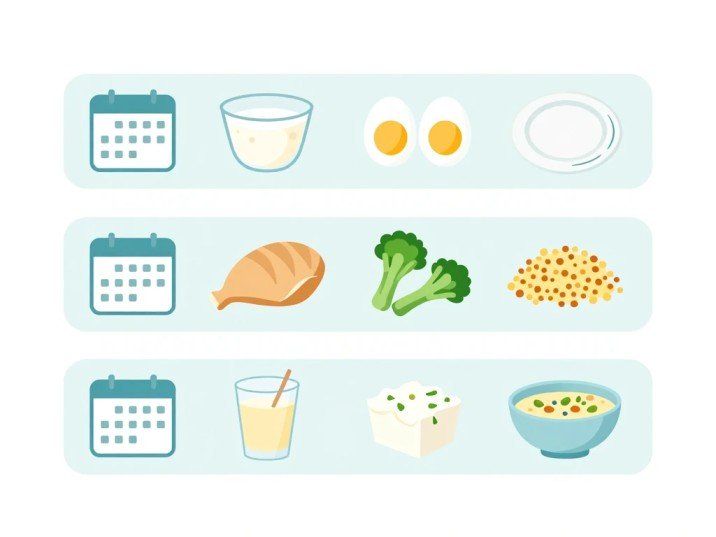
No other guide covers this section — and it is one of the most important parts of any zepbound diet plan pdf. Every user moves through dose phases, and your nutritional needs shift significantly with each escalation. Here is how to eat smarter at every stage of your treatment.
Weeks 1–4: Starting Dose (2.5 mg Weekly)
Side effects at this stage are typically mild for most people. This is your best window to establish your eating habits before appetite suppression intensifies. Focus on building your routine: protein at every meal, fiber from vegetables and legumes, and three structured eating occasions daily. Do not skip meals even when you are not hungry — use this phase to anchor your nutritional habits while eating feels relatively normal.
Weeks 5–8: Escalation to 5 mg
Appetite suppression becomes significantly more noticeable here. Many patients start missing meals unintentionally — they simply forget to eat. This is when muscle loss risk begins to rise. Protein-first eating becomes non-negotiable: always eat your protein before your vegetables and carbohydrates at each meal. If you can only finish a small plate, make sure the protein came first.
Weeks 9 and Beyond: Higher Doses (7.5 mg to 15 mg)
At the highest Zepbound doses, some patients find solid food genuinely difficult to manage in normal portions. Protein-rich, easy-to-digest options become your best tools: Greek yogurt, soft scrambled eggs, cottage cheese, protein smoothies with spinach and frozen fruit, and well-cooked lentil soups. Space your eating across three to five smaller occasions throughout the day. Never drop below 1,200 calories (women) or 1,500 calories (men) without direct supervision from a registered dietitian or obesity medicine physician.
Foods to Avoid on Zepbound (and Exactly Why)
There are no foods that are technically off-limits on Zepbound. What matters is that certain foods actively worsen side effects and slow your progress in ways that are entirely preventable. These are the categories to limit significantly during treatment.
Fried and greasy foods slow gastric emptying on top of what tirzepatide already does. A meal high in fried fat when your digestion is already slowed by the medication is a near-certain recipe for severe nausea. This includes fast food, heavy cream sauces, fried chicken, French fries, and full-fat fried anything.
Added sugars and sugary drinks cause blood sugar to spike and crash, trigger cravings, and offer no nutritional value when every calorie in your reduced appetite window counts. Avoid soda, juice, energy drinks, sweetened coffee drinks, baked goods, and sweetened cereals.
Highly processed and high-sodium foods are calorie-dense but nutrient-poor — the exact opposite of what Zepbound users need. When your appetite is reduced, filling it with processed foods means missing the protein, fiber, and micronutrients your body needs to function and preserve muscle.
Refined carbohydrates — white bread, white pasta, white rice, and pastries — digest quickly, spike blood sugar fast, and leave you hungry again within an hour. Swap every refined carb for a whole-grain version as your minimum standard.
Alcohol worsens nearly every Zepbound GI side effect. It adds empty calories, impairs judgment around food choices, can interact with blood sugar regulation on tirzepatide, and slows your weight loss progress. If you choose to drink, do so rarely and only in moderation — one drink at most with food, never on an empty stomach.
Spicy foods and acidic drinks — citrus juice, coffee on an empty stomach, and tomato sauce — worsen acid reflux and heartburn, which are common side effects as tirzepatide slows gastric emptying and keeps food in the stomach longer.
Side-Effect Meal Swap Table
Use this table to find practical food swaps based on the side effect you are currently experiencing. No other Zepbound guide compiles this as a structured clinical reference.
| Side Effect | Foods Making It Worse | Better Swaps |
|---|---|---|
| Nausea | Fried eggs, full-fat cheese, greasy meats, strong smells | Plain scrambled eggs, cold grilled chicken, low-fat yogurt, dry whole-grain crackers, ginger tea |
| Constipation | White bread, red meat–heavy days, low water intake | Oatmeal, prunes, chia pudding, steamed broccoli, 8–10 cups water daily |
| Heartburn / Reflux | Coffee on empty stomach, spicy food, citrus juice, chocolate, peppermint | Bananas, oatmeal, plain almond butter, non-acidic herbal tea, cold water, low-acid fruits |
| Bloating | Beans added too fast, carbonated drinks, raw cruciferous veg in large amounts | Cooked vegetables, well-cooked lentils, still water, fennel tea |
| Low Energy / Fatigue | Skipping meals, all-carb snacks, sugary drinks, very low calorie days | Hard-boiled eggs, cottage cheese, nuts and seeds, Greek yogurt, B-vitamin rich foods |
| Diarrhea | High-fat foods, artificial sweeteners, alcohol, spicy food | BRAT-adjacent foods (bananas, plain rice, applesauce, toast), lean baked protein, electrolyte water |
The Noise Eating Trap on Zepbound (Most Guides Miss This)
Before Zepbound, many people ate out of habit — reaching for a snack while watching television, eating lunch because the clock said noon, finishing a plate because it was in front of them. Tirzepatide removes the hormonal hunger signals behind those habits. The problem is the behavioral habits remain.
This is what clinicians sometimes call noise eating — consuming food out of routine or boredom rather than genuine physical hunger. On Zepbound, noise eating is especially damaging. You have a smaller appetite window, and filling it with habit-driven snacking instead of intentional nutrition is one of the primary reasons people plateau on tirzepatide despite the medication working correctly.
The solution is deliberate meal structure. Eat at the same times each day. Plate your food intentionally. Protein goes on the plate first. Then vegetables. Carbohydrates last. If you are not hungry when mealtime comes, eat a smaller portion — but do not skip the meal entirely. Your nutritional targets for the day depend on every eating occasion.
Journaling your meals alongside your energy levels and side effects is clinically recommended. That record becomes valuable data at your next provider visit.
Eating at Restaurants on Zepbound: A Practical Guide
Nobody covers this — and it is one of the most common real-world challenges Zepbound users face. Here is how to navigate eating out without derailing your progress.
Before you go: Check the menu online. Identify two or three protein-forward options before you arrive so you are not making decisions while hungry or under social pressure.
How to order: Ask for sauces and dressings on the side. Request grilled instead of fried. Choose vegetables or a side salad instead of fries. Ask for a half portion or plan to box half immediately when the plate arrives.
Best restaurant choices on Zepbound: Japanese food (sashimi, edamame, miso soup, steamed rice), Mediterranean (grilled fish, hummus, Greek salad, pita in moderation), Mexican (grilled chicken or fish bowl, black beans, guacamole, no fried chips), American casual (grilled protein with vegetable side, skip the bread basket).
Hardest restaurant choices on Zepbound: Deep-fried anything, heavy cream pasta dishes, buffets (overeating triggers severe nausea when gastric emptying is slowed), and bar food menus where almost nothing is unprocessed.
The key principle: one protein anchor, one vegetable, one small carbohydrate. That plate structure works in any restaurant in any cuisine.
The Complete 7-Day Zepbound Diet Plan PDF (Printable Meal Plan)
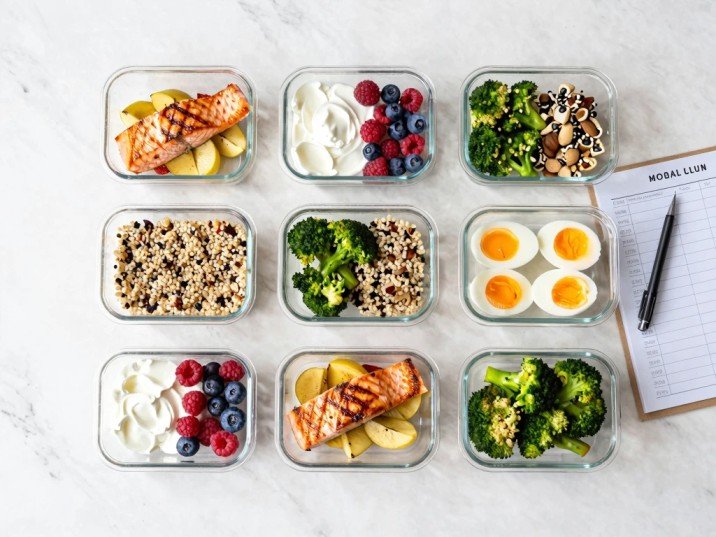
This plan targets approximately 1,400 to 1,600 calories daily with 100+ grams of protein and 25+ grams of fiber. Save this zepbound diet plan pdf to your phone, print it for your refrigerator, or share it with your registered dietitian at your next appointment. Adjust portions based on your size, current dose, and hunger levels.
Day 1 — Monday
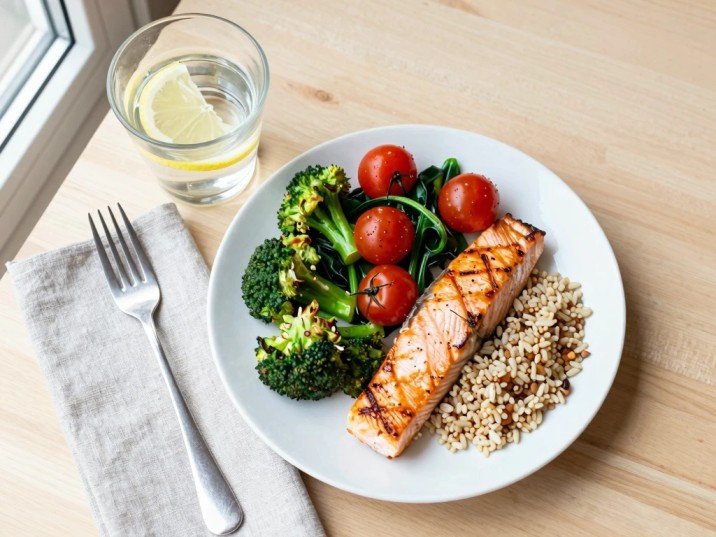
Breakfast: Plain Greek yogurt (200g) topped with mixed berries and one tablespoon chia seeds — approximately 30g protein, 8g fiber Snack: One hard-boiled egg with sliced cucumber Lunch: Grilled chicken breast over mixed greens with olive oil, lemon, and cherry tomatoes Snack: One medium apple with one tablespoon almond butter Dinner: Baked salmon (150g) with roasted broccoli and one half-cup brown rice Water target: 8–10 cups
Day 2 — Tuesday
Breakfast: Two scrambled eggs on whole-wheat toast with half an avocado Snack: Low-fat cottage cheese (half cup) with cherry tomatoes Lunch: Lentil soup (1.5 cups) with one small whole-grain pita Snack: Small handful of walnuts (about 14 halves) Dinner: Turkey meatballs (4–5) over zucchini noodles with low-sodium marinara Water target: 8–10 cups
Day 3 — Wednesday
Breakfast: Oatmeal (half cup dry) made with almond milk, topped with half a banana and one tablespoon flaxseed Snack: One piece of string cheese with bell pepper strips Lunch: Tuna in water (one can, drained) mixed with olive oil mayo on whole-grain crackers, side salad Snack: Half cup blueberries with a small handful of almonds Dinner: Baked tilapia (150g) with quinoa (half cup cooked) and steamed asparagus Water target: 8–10 cups
Day 4 — Thursday
Breakfast: Protein smoothie — one cup Greek yogurt, one large handful spinach, half cup frozen mango, one scoop protein powder, one cup water Snack: Celery sticks with two tablespoons peanut butter Lunch: Chicken and vegetable stir-fry over one cup cauliflower rice Snack: Half cup boiled edamame, lightly salted Dinner: Grilled shrimp tacos on two corn tortillas with avocado slices and shredded purple cabbage Water target: 8–10 cups
Day 5 — Friday
Breakfast: Two poached eggs with one cup sautéed spinach and one slice whole-grain toast Snack: Half cup low-fat cottage cheese with pineapple chunks Lunch: Black bean and roasted vegetable burrito bowl — no heavy sauces, lime juice dressing Snack: One rice cake with almond butter and four thin banana slices Dinner: Baked bone-in chicken thigh (skin removed) with roasted sweet potato and green beans Water target: 8–10 cups
Day 6 — Saturday
Breakfast: One whole-grain waffle topped with three tablespoons Greek yogurt and fresh strawberry slices Snack: Small trail mix — almonds, pumpkin seeds, unsweetened dried cranberries (quarter cup total) Lunch: Two sardine fillets over mixed greens with olive oil, capers, and lemon Snack: Sliced cucumber with four tablespoons hummus Dinner: Lean beef and vegetable barley soup (1.5 cups) — homemade or low-sodium store-bought Water target: 8–10 cups
Day 7 — Sunday
Breakfast: Three-egg veggie omelette with mushrooms, onion, and bell peppers — side of half cup mixed fruit Snack: One protein bar (check label: under 10g sugar, 15g+ protein, no artificial sweeteners) Lunch: Grilled salmon wrap in a whole-wheat tortilla with baby spinach and two tablespoons tzatziki Snack: Small handful of walnuts with one small orange Dinner: Baked cod (150g) with roasted Brussels sprouts and half cup wild rice Water target: 8–10 cups
Complete Zepbound Grocery List by Category
Everything in this zepbound diet plan pdf grocery list supports the 7-day meal plan above. Take this directly to the store or screenshot it before your next shopping trip.
Proteins: Chicken breast, salmon fillets, cod, tilapia, shrimp, sardines (in water or olive oil), tuna in water, eggs, Greek yogurt (plain, 2% or full-fat), cottage cheese (low-fat), tempeh, extra-firm tofu, lentils (dry or canned), black beans (canned, low-sodium), edamame (frozen)
Vegetables: Baby spinach, mixed greens, broccoli, zucchini, bell peppers (red, yellow, green), cucumber, asparagus, Brussels sprouts, sweet potato, mushrooms, white or purple onion, cherry tomatoes, celery, cauliflower, green beans, purple cabbage
Fruits: Blueberries, strawberries, raspberries, banana, apple, orange, mango (frozen), pineapple chunks, prunes (for constipation management)
Whole Grains: Rolled oats, brown rice, quinoa, wild rice, barley, whole-wheat bread, whole-wheat tortillas, corn tortillas, whole-grain pita, whole-grain crackers, rice cakes
Healthy Fats: Avocado, extra-virgin olive oil, natural almond butter, natural peanut butter, walnuts, almonds, chia seeds, ground flaxseed, pumpkin seeds
Pantry Staples: Hummus (low-sodium), low-sodium marinara sauce, olive oil mayonnaise, tzatziki, dried unsweetened cranberries, protein powder (whey or plant-based — 20g+ protein per serving), ginger tea bags, herbal teas, sparkling water (plain), low-sodium broth
Condiments and Flavor: Fresh lemon, limes, garlic, capers, apple cider vinegar, low-sodium soy sauce or coconut aminos, Dijon mustard, balsamic vinegar
Hydration on Zepbound: More Than Just Water
Hydration directly affects how severe your Zepbound side effects are. When tirzepatide causes nausea, vomiting, or diarrhea, fluid and electrolyte loss happens faster than most people expect. Dehydration then worsens constipation, fatigue, and headaches — creating a cycle that makes treatment harder than it needs to be.
Aim for 8 to 10 cups of water daily as your baseline. If you experience active vomiting or diarrhea, increase this and consider adding a low-sugar electrolyte drink with potassium and sodium and no artificial sweeteners.
Ginger tea is the most clinically supported home remedy for Zepbound-related nausea. Keep it stocked. Peppermint tea helps some people with bloating — though it can worsen reflux in others. Pay attention to your own response.
Avoid in your beverage choices: sugary sodas and juices, energy drinks, sweetened protein shakes with high sugar content, and alcohol. Each works against your progress in a different way.
Intermittent Fasting and Zepbound: What You Need to Know
Intermittent fasting can be compatible with Zepbound — but only under the right conditions. The core risk is this: tirzepatide already narrows your effective eating window through appetite suppression. Narrowing it further with a fasting protocol makes hitting 100+ grams of protein daily extremely difficult, especially at higher doses.
If you want to explore intermittent fasting on Zepbound, start by establishing consistent three-meal eating for the first 60 days of treatment. Once your side effects stabilize and your protein targets are routine, a mild 12:12 schedule — 12 hours eating, 12 hours fasting — is the most manageable starting point.
Do not start with 16:8 or more aggressive protocols on Zepbound. The combination of medication-reduced appetite and a compressed eating window creates too high a risk of inadequate protein and calorie intake, accelerating muscle loss rather than preventing it.
Supplements to Consider on Zepbound
Most Zepbound users benefit from targeted supplementation because reduced food volume increases the risk of micronutrient deficiencies over time. Discuss all of the following with your provider before starting any supplement.
Daily multivitamin: A baseline for anyone eating at reduced caloric intake. Choose one with 100% daily value of B12, folate, iron, and zinc.
Vitamin D3 with K2: Vitamin D deficiency is common in people with obesity. The combination with K2 ensures proper calcium metabolism. Many Zepbound users test deficient even before starting treatment.
Magnesium glycinate: Supports muscle function, sleep quality, and helps manage constipation — a practical choice for most tirzepatide users.
Omega-3 fatty acids (EPA and DHA): If fatty fish is not appearing in your diet at least three times per week, a fish oil supplement covers the gap. Omega-3s also support cardiovascular health, which matters when managing obesity-related comorbidities.
Protein powder: Essential on low-appetite days when food volume is limited. Whey protein is the most bioavailable. Plant-based blends (pea and rice protein) work well for those who do not tolerate dairy.
Protecting Muscle Mass: The Zepbound Muscle Preservation Protocol
Muscle loss on Zepbound is not inevitable — but it requires deliberate strategy. Every effective zepbound diet plan pdf should include this protocol clearly, not as a footnote, but as a core pillar of treatment nutrition.
Step 1 — Hit protein targets every single day. This is the foundation. Even on low-appetite days, prioritize protein above every other food group. If you can only eat one thing, make it protein. The target is 20 to 30 grams per meal, distributed across at least three eating occasions.
Step 2 — Add resistance training two to three times per week. Cardiovascular exercise burns calories. Resistance training — lifting weights, bodyweight exercises, resistance bands — signals your body to preserve and build muscle. Even two sessions of 30 to 40 minutes per week makes a measurable difference in lean mass retention during weight loss.
Step 3 — Do not drop below your minimum calorie floor. For most people this is 1,200 calories (women) or 1,500 calories (men). Below these thresholds, muscle loss accelerates regardless of protein intake and exercise. If you consistently fall below these without trying, speak to your provider about your current dose.
Step 4 — Time protein around your workouts. Consuming 20 to 30 grams of protein within two hours of resistance exercise maximizes muscle protein synthesis. This is when your muscles are most receptive to protein for repair and growth.
Save This Zepbound Diet Plan PDF and Start Today
Managing your nutrition on tirzepatide does not have to feel overwhelming. This zepbound diet plan pdf gives you the exact framework — what to eat at every dose phase, which foods to avoid, how to handle restaurants and side effects, and a full week of meals with a grocery list ready to go. Bookmark this page, print it, or share it with your care team. Then focus on one meal at a time.
zepbound diet plan pdf
FAQs: Zepbound Diet Plan PDF
What should I eat during the first week of Zepbound? Start simple. Focus on easy-to-digest, protein-rich foods: scrambled eggs, Greek yogurt, grilled chicken, cottage cheese, and cooked vegetables. Keep meals small and structured. Side effects are typically mildest in the first week, so use this time to establish your meal routine before appetite suppression intensifies.
How many calories should I eat on Zepbound? Clinical studies used a 500-calorie daily deficit alongside tirzepatide. In practice, this means most adults eating between 1,200 and 1,600 calories daily, depending on body size and activity level. Work with your provider or a registered dietitian to calculate your personal target — do not guess at this number.
Can I eat carbohydrates on Zepbound? Yes — and you should. Carbohydrates from whole-food sources like oats, quinoa, sweet potatoes, fruit, and legumes provide fiber, energy, and essential micronutrients. Eliminate refined carbohydrates, not carbohydrates as a category. Cutting carbs completely often worsens fatigue and makes it harder to hit fiber targets.
What foods make Zepbound nausea worse? Greasy and fried foods are the primary trigger. High-fat meals, spicy foods, strong food smells, and eating too much in one sitting all worsen nausea on tirzepatide. Cold foods and plain foods are generally better tolerated when nausea is active.
Can I drink coffee on Zepbound? Yes, but with caveats. Coffee on an empty stomach worsens acid reflux and heartburn, which are already common on Zepbound. Have your coffee with or after your breakfast. If nausea is significant, switch to ginger tea or herbal tea until symptoms stabilize.
How much protein do I need on Zepbound? The clinical standard recommended by obesity medicine physicians is 100 grams of protein daily as a baseline. Larger or more active individuals may need more — up to 1.6 grams per kilogram of body weight. Distribute protein across three to five meals rather than concentrating it in one sitting.
Does my diet affect how well Zepbound works? Directly. Eating high-calorie, low-nutrient processed foods reduces the medication’s effectiveness and undermines your caloric deficit. Diet quality also determines whether your weight loss preserves lean mass or strips it away. Following a structured zepbound diet plan pdf like this one ensures the medication and your nutrition work as a system rather than against each other.
Can I do intermittent fasting on Zepbound? It can work, but approach it carefully. Start with consistent three-meal eating for at least the first 60 days. Only consider a mild fasting schedule (12:12 at most) once your side effects have stabilized and your protein targets are routine. More aggressive fasting protocols conflict with the protein requirements for muscle preservation.
What supplements should I take on Zepbound? A daily multivitamin is a practical baseline given reduced food volume. Vitamin D3 with K2, magnesium glycinate, and omega-3 fatty acids are the most commonly beneficial additions. Protein powder is useful on low-appetite days. Discuss all supplements with your healthcare provider before starting.
How do I eat at restaurants on Zepbound? Check the menu in advance and choose a protein-forward option before you arrive. Order sauces on the side. Choose grilled over fried. Ask for vegetables instead of fries. Box half your meal immediately when it arrives — normal restaurant portions are designed for normal appetites, not Zepbound-reduced ones.