Table of Contents
- What Is the Traditional Japanese Diet Plan?
- Ichiju-Sansai: The Meal Structure Behind the Japanese Diet Plan
- Foods to Eat on a Japanese Diet Plan
- Foods to Limit or Avoid
- Hara Hachi Bu: The 80% Rule That Makes the Japanese Diet Plan Work
- 7-Day Japanese Diet Plan — Breakfast, Lunch, and Dinner
- Health Benefits of the Japanese Diet Plan
- The Okinawa Blue Zone Connection
- Japanese Diet Plan for Weight Loss — Does It Actually Work?
- How to Start a Japanese Diet Plan From Any Kitchen
- Sodium — The One Risk Inside the Japanese Diet Plan
- Conclusion
- Frequently Asked Questions
Introduction
You want to eat better, lose weight, and feel energized every single day. But every diet you have tried has either left you starving, bored, or right back where you started. The problem is not your willpower. The Japanese diet plan is one of the most researched, sustainable, and effective eating patterns on the planet — and it asks you to do none of the things other diets demand. No macro counting, no carb elimination, no expensive supplements. Here is exactly how it works and how to follow it starting today.
What Is the Traditional Japanese Diet Plan?
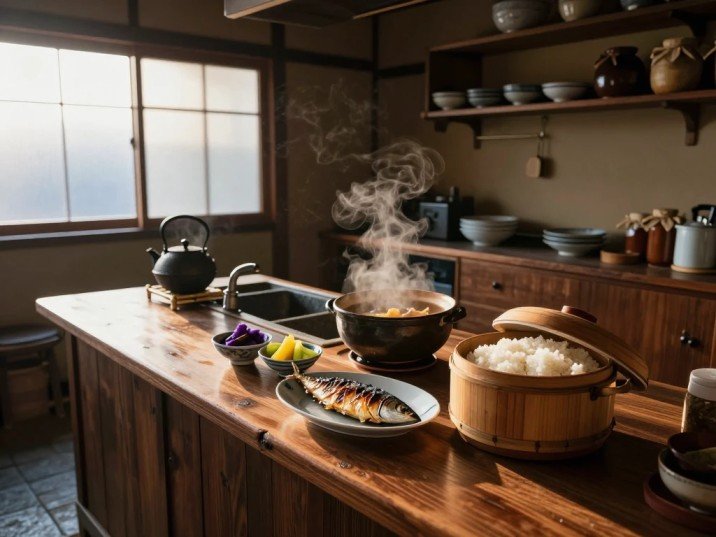
The Japanese diet plan is a whole-foods eating pattern rooted in a centuries-old food culture called Washoku. It is built around seasonal vegetables, fish and seafood, fermented soy foods, steamed rice, and seaweed. Every ingredient is chosen fresh, prepared simply, and served in a way that highlights its natural flavor rather than masking it.
This eating style is naturally low in added sugars, processed ingredients, and animal fat. At the same time it delivers high levels of dietary fiber, essential micronutrients, probiotics, and the deeply satisfying umami flavor that makes every meal feel complete. These qualities place the Japanese diet plan among the most nutrient-dense and satisfying eating patterns ever studied.
UNESCO officially recognized Washoku as an Intangible Cultural Heritage in 2013. The recognition honored not just the food itself but the nutritional philosophy woven into every meal — the respect for seasonality, simplicity, and balance. This is not a crash diet or a temporary fix. It is a food culture that aligns precisely with what modern nutrition science confirms promotes long-term health and longevity.
Best Healthy Eating Plans Compared: Which One Is Right for You?
Ichiju-Sansai: The Meal Structure Behind the Japanese Diet Plan
What Ichiju-Sansai Means
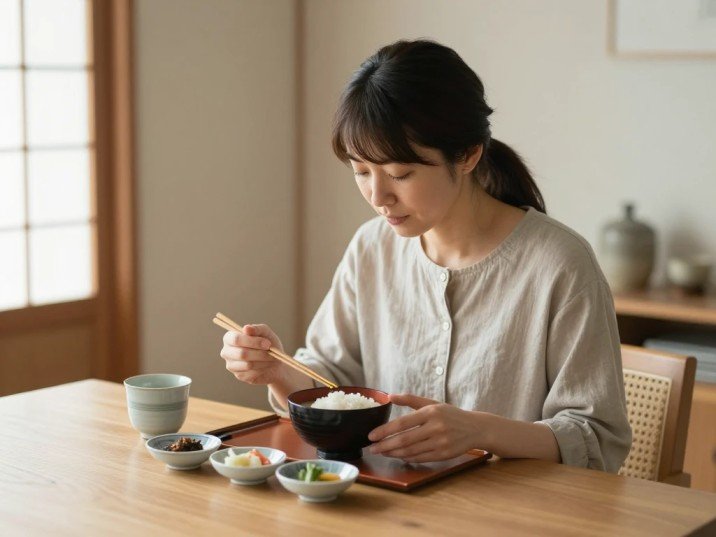
Every traditional Japanese diet plan meal follows a framework called ichiju-sansai. Translated literally it means one soup and three sides. A complete meal always includes steamed rice as the carbohydrate base, one bowl of miso or clear vegetable soup, one main protein dish most commonly fish, tofu, or natto, and two or three vegetable-based side dishes that may be raw, pickled, steamed, or simmered.
This structure is not random. It is a nutritional system that delivers a broad spectrum of macronutrients, micronutrients, probiotics, and antioxidants in a single sitting without any calorie counting or tracking required.
How to Apply Ichiju-Sansai in a Western Kitchen
For anyone cooking at home in a Western kitchen, the practical rule is simple. Always prepare a grain or starch, always add a warm soup or broth, and always pair your protein with at least two plant-based sides. Following this formula automatically aligns your meals with the Japanese diet plan structure without needing to memorize any rules.
Foods to Eat on a Japanese Diet Plan
Core Protein Sources
Fish and seafood are the primary proteins of the Japanese diet plan. Salmon, mackerel, tuna, sardines, shrimp, and squid are all regular staples, prepared by grilling, steaming, poaching, or eating raw as sashimi. Soy-based proteins appear at almost every meal — tofu in soups and stir-fries, miso paste in broths and marinades, natto as a breakfast topping, edamame as a snack, and tamari as a seasoning.
[Internal Link: Best Plant-Based Protein Sources for Everyday Meals]
Vegetables, Seaweed, and Grains
Seasonal vegetables form a large portion of every Japanese diet plan plate. Leafy greens, bamboo shoots, daikon radish, shiitake mushrooms, lotus root, burdock root, and fermented vegetables all appear regularly. Seaweed varieties including nori, wakame, and kombu are used in soups, salads, and rice dishes every day. Short-grain white rice serves as the foundational carbohydrate. Soba, udon, and somen noodles provide variety throughout the week.
Beverages
Green tea, either matcha or sencha, is the drink of choice throughout the day on the Japanese diet plan. It provides antioxidants, supports metabolism, and replaces the sugary drinks that drive excess calorie consumption in Western diets. Barley tea and plain water are also commonly consumed between meals.
Foods to Limit or Avoid
The Japanese diet plan does not demand the elimination of any food group. Instead it naturally crowds out lower-quality foods by filling your plate with better alternatives.
Red meat is not forbidden but is eaten sparingly in small portions and much less frequently than in Western eating patterns. Processed snack foods, packaged sweets, sugary drinks, and refined sugar are almost entirely absent from a traditional Japanese table. Dairy has historically played a minimal role in Japanese cuisine and is naturally kept moderate. Bread, pizza, and pastry-based foods simply do not fit the traditional Washoku framework because they were never part of it.
The guiding principle is not restriction but replacement. Every low-nutrient food gets replaced by a higher-quality whole-food alternative that is more satisfying on fewer calories.
Hara Hachi Bu: The 80% Rule That Makes the Japanese Diet Plan Work
What Hara Hachi Bu Means
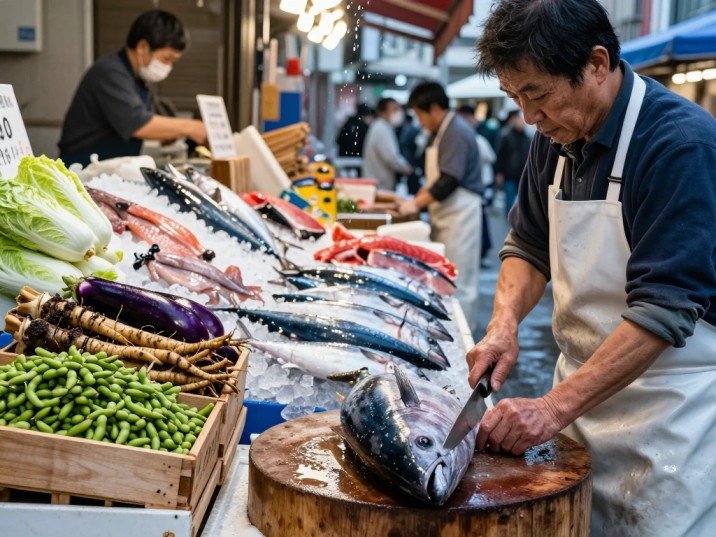
Of all the principles inside the Japanese diet plan, Hara Hachi Bu delivers the single most powerful shift in eating behavior for anyone raised on Western habits. The phrase comes from ancient Confucian teaching and means eat until you are 80 percent full. It has been practiced continuously for centuries in Okinawa, one of the world’s most documented Blue Zones, where a remarkable concentration of people live past the age of 100 in excellent health.
The Science Behind Eating to 80 Percent Full
The brain takes approximately 15 to 20 minutes to register fullness signals sent from the stomach. When you eat quickly and continue until you feel completely full, you have almost certainly already consumed more than your body needed. Stopping at 80 percent — a point that feels comfortable and satisfied rather than stuffed — closes this timing gap and eliminates habitual overeating before it happens.
Research on mindful eating consistently confirms that slowing down and stopping before complete fullness reduces total daily calorie intake by 200 to 300 calories without any conscious restriction, calorie counting, or feelings of deprivation.
How to Practice Hara Hachi Bu Daily
This habit requires no measuring, no apps, and no tracking. Eat every meal without screens competing for your attention. Set down your chopsticks or fork completely between bites. Pause at the halfway point of every meal and honestly assess whether you are still genuinely hungry. Stop eating at the moment you feel satisfied rather than waiting for fullness to arrive. With consistent practice over two to three weeks this response becomes automatic.
Hara Hachi Bu: The 80% Rule That Makes the Japanese Diet Plan Work
This Japanese diet plan follows ichiju-sansai principles and targets approximately 1,400 to 1,600 calories per day for a typical adult. Adjust rice portions upward or downward based on your activity level, body size, and energy needs throughout the day.
Day 1 — Getting Started Simply
Breakfast: Miso soup with silken tofu and wakame seaweed, steamed white rice, soft-boiled egg Lunch: Soba noodles in warm dashi broth, sliced scallions, toasted nori Dinner: Grilled salmon fillet, steamed broccoli, pickled daikon radish, steamed rice Snack: Edamame, hot green tea
Day 2 — Fermented Foods Focus
Breakfast: Natto over steamed rice, miso soup, umeboshi pickled plum Lunch: Tofu and shiitake mushroom stir-fry, steamed rice, green tea Dinner: Teriyaki chicken in a small portion, stir-fried bok choy, miso soup Snack: Roasted nori sheets, barley tea
Day 3 — Classic Japanese Bento Day
Breakfast: Tamagoyaki Japanese rolled omelet, steamed rice, miso soup Lunch: Bento-style box with grilled mackerel, mixed pickled vegetables, steamed rice Dinner: Shrimp and vegetable tempura with light batter, soba noodles, clear dashi soup Snack: Fresh mandarin orange or any seasonal fruit
Day 4 — Light and Restorative
Breakfast: Rice porridge called okayu topped with umeboshi plum and sesame seeds Lunch: Wakame seaweed salad, steamed rice, chilled tofu with low-sodium soy sauce Dinner: Sashimi platter with tuna and salmon, steamed seasonal greens, miso soup Snack: Small handful of edamame
Day 5 — Nourishing Midweek Meals
Breakfast: Grilled salted mackerel, steamed white rice, miso soup Lunch: Japanese-style light curry with multigrain rice, simple green salad Dinner: Grilled mackerel, steamed spinach with sesame dressing, steamed rice, miso soup Snack: Unsalted rice crackers, green tea
Day 6 — Variety and Comfort
Breakfast: Umeboshi onigiri rice ball wrapped in nori, miso soup Lunch: Cold zaru soba noodles with dipping sauce, cucumber and wakame salad Dinner: Sukiyaki-style hot pot with a small beef portion, tofu, napa cabbage, mushrooms Snack: Any seasonal fresh fruit
Day 7 — Full Traditional Spread
Breakfast: Natto, steamed rice, miso soup with sliced green onion Lunch: Chirashi bowl with seasoned sushi rice topped with assorted sashimi and pickled ginger Dinner: Miso-glazed grilled tofu, steamed rice, simmered root vegetables Snack: Matcha tea, small piece of yokan sweet red bean confection
Japanese Diet Plan Meal Prep Tips
Cook a full pot of rice at the start of each week and refrigerate it in individual portions. Prepare a batch of dashi stock using kombu seaweed and dried bonito flakes on Sunday. It keeps in the refrigerator for five full days and serves as the ready-made base for every soup and simmered dish you make during the week. Wash and pre-cut vegetables on the weekend so that bento assembly takes five minutes or less on busy weekday mornings.
Health Benefits of the Japanese Diet Plan
The Japanese diet plan has been studied across very large populations over extended periods of time. Its health outcomes are among the most consistently documented of any eating pattern in nutritional science.
Longevity and Reduced Mortality Risk
A 15-year study involving more than 75,000 adults produced one of the clearest findings in dietary research. Those who closely followed the traditional Japanese dietary pattern had up to a 15 percent lower risk of premature death compared to those eating a Westernized diet. Researchers attributed this outcome to the combined protective effect of omega-3-rich fish, a high volume of plant foods, and regular consumption of fermented soy products at every meal. (Source: NIH / Healthline)
Heart Health and Stroke Prevention
A separate large-scale meta-analysis found that adherence to the Japanese diet plan is associated with a 17 percent lower risk of death from cardiovascular disease and a 20 percent lower risk of stroke. The primary protective mechanisms identified were the high intake of omega-3 fatty acids from fish, anti-inflammatory compounds from vegetables and seaweed, and the low consumption of saturated fat from red meat and processed foods. (Source: Tua Saude, NIH)
Mental Health and Depression Risk
A major study of more than 12,000 Japanese workers found that individuals following traditional Japanese dietary patterns had a 17 to 20 percent lower risk of developing clinical depressive symptoms compared to those whose diets resembled Western eating patterns most closely. Researchers connected these outcomes to the consistent intake of omega-3 fatty acids from fish, fermented proteins from natto and miso, and folate from leafy green vegetables, all of which directly support neurotransmitter synthesis and brain function.
Gut Health and Digestion
The fermented foods at the center of the Japanese diet plan supply beneficial bacteria to the digestive system consistently throughout every day. Miso, natto, and pickled vegetables improve gut microbiome diversity, enhance digestive function, reduce bloating and irregularity, and may significantly reduce chronic low-grade inflammation that drives many common health conditions.
The Okinawa Blue Zone Connection
Why Okinawa Matters
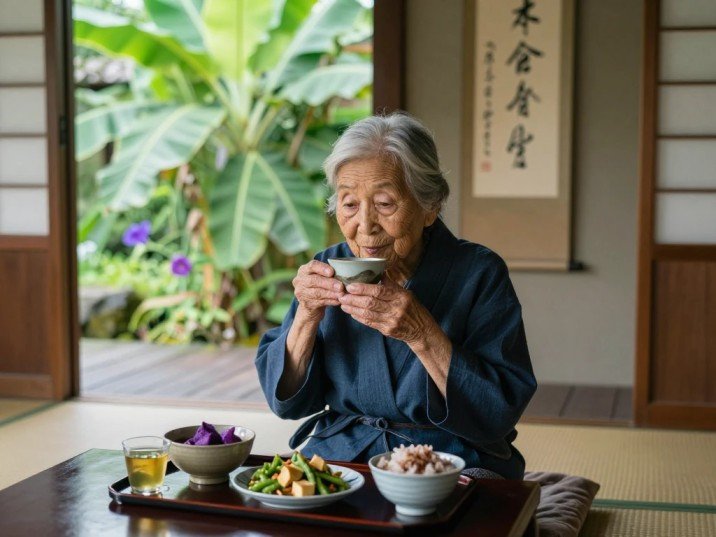
Okinawa is a group of islands in southern Japan and one of the world’s most extensively studied Blue Zones. These are regions where people routinely live past 100 in active good health. Okinawan elders historically showed lower rates of heart disease, certain cancers, and dementia than almost any other comparable population ever measured.
How the Okinawa Diet Differs From the Japanese Diet Plan
The Okinawan version of the Japanese diet plan places greater emphasis on purple sweet potatoes and includes slightly less rice and fish than the mainland Japanese pattern. But the foundational principles are completely identical: plant-forward meals, consistently small and satisfying portions, complete absence of ultra-processed foods, daily fermented foods, and the unwavering practice of Hara Hachi Bu at every meal.
What makes the Okinawa example uniquely powerful as evidence is that it is not a controlled laboratory study. It is a living, breathing food culture that has maintained these habits across multiple generations of real people. The health outcomes have been observed and documented across many decades of real life rather than a controlled trial period.
Japanese Diet Plan for Weight Loss — Does It Actually Work?
Japan consistently records one of the lowest obesity rates among all developed nations, remaining below 4 percent in most current measurements. Diet is widely recognized as one of the primary reasons for this outcome alongside regular daily movement and deeply ingrained cultural attitudes toward food and eating.
Why the Japanese Diet Plan Supports Weight Loss
The Japanese diet plan creates the conditions for natural weight loss through several overlapping mechanisms that reinforce each other rather than working in isolation.
The foods themselves are naturally low in calorie density. A complete meal of miso soup, a grilled fish portion, steamed vegetables, and moderate rice delivers genuine satiety while containing significantly fewer calories than any typical Western equivalent. The Hara Hachi Bu practice builds a reliable stopping point before overeating occurs, reducing daily calorie intake by an estimated 200 to 300 calories every single day without any conscious effort or restriction.
Research specifically on soup consumption shows a clear pattern. People who eat soup regularly as part of their meals tend to have lower body mass index, smaller waist circumference, and better waist-to-hip ratios. Researchers believe this is because the liquid volume of soup increases satiety signals to the brain without contributing significant calories. Studies on soy foods show similar results — regular consumption of tofu, natto, and edamame is associated with measurable reductions in body mass index and waist circumference.
This Japanese diet plan is not designed for dramatic rapid weight loss over a short period. It is an eating pattern built to support a healthy sustainable weight permanently without restriction, hunger, or deprivation at any point.
How to Start a Japanese Diet Plan From Any Kitchen
Build Your Japanese Diet Plan Pantry
You do not need to visit specialty stores or purchase unusual equipment to begin a Japanese diet plan. Start with these foundational staples, most of which are available in the international foods aisle of a regular supermarket or at any Asian grocery store near you.
Your core pantry items should include short-grain Japanese white rice, white or red miso paste, low-sodium soy sauce or tamari, instant dashi stock granules which perform just as well as homemade, dried nori seaweed, dried wakame seaweed, rice vinegar, sesame oil, and white sesame seeds. Stock your freezer with frozen shelled edamame and two or three varieties of frozen seafood for fast weeknight protein sources.
Simple Substitutions for Hard-to-Find Ingredients
If natto is unavailable where you live, firm tofu delivers comparable plant-based protein and works in every recipe that calls for natto. Soba noodles can replace steamed rice on any day when you want variety in your Japanese diet plan without changing the nutritional balance. Cod, tilapia, or sea bass work well as direct substitutes for traditional Japanese fish varieties in any preparation method.
Your First Week Action Plan
For the first week focus exclusively on building the ichiju-sansai meal structure at dinner each night. Begin every evening meal with a bowl of miso soup made from your instant dashi stock and miso paste. Then add steamed rice, one protein portion, and at least two vegetable sides. Once this structure feels natural and automatic after approximately one week, introduce Hara Hachi Bu at your own comfortable pace, starting with a single meal per day.
Sodium — The One Risk Inside the Japanese Diet Plan
No honest and complete guide to the Japanese diet plan can skip this section. Miso paste, soy sauce, tamari, and pickled vegetables are daily staples of this eating pattern, and all of them carry significant sodium content. The World Health Organization officially recommends that adults keep daily sodium intake below 2,000 milligrams. Consistently exceeding this level raises the risk of hypertension, stroke, and other cardiovascular complications. (Source: WHO official guidelines, who.int)
These foods do not need to be removed from your Japanese diet plan. They need to be used in thoughtful and appropriate amounts rather than freely.
Four Practical Adjustments That Make a Difference
First, always choose low-sodium soy sauce or tamari rather than regular versions as your default. Second, measure your miso paste per serving — dropping from one tablespoon to one teaspoon cuts sodium content dramatically while maintaining full flavor. Third, choose fresh vegetables over pickled versions more frequently throughout the week rather than at every single meal. Fourth, after any high-sodium meal drink an extra glass of water and include potassium-rich foods such as edamame, sweet potato, or fresh spinach to balance your electrolyte levels naturally.
If you currently manage high blood pressure, kidney disease, or any condition that requires sodium monitoring, consult your physician or a registered dietitian before significantly increasing your consumption of miso, soy sauce, or fermented pickled vegetables.
Sodium — The One Risk Inside the Japanese Diet Plan
The Japanese diet plan does not require expensive ingredients, complicated meal prep, or the elimination of foods you love. It requires three things practiced consistently over time. Build your meals around the ichiju-sansai structure of one soup and three sides. Practice Hara Hachi Bu by stopping when you feel comfortably satisfied rather than waiting for complete fullness. Choose whole seasonal minimally processed ingredients over packaged and refined alternatives as often as possible.
These three habits applied together are what have made the Japanese diet plan the foundation of one of the longest-living and healthiest populations ever documented. Your next meal is the right time to start.
Frequently Asked Questions
Can I lose weight following a Japanese diet plan?
Yes. The Japanese diet plan naturally creates a calorie deficit through low-calorie-density foods, high dietary fiber intake, regular soup consumption, and the Hara Hachi Bu practice — all without requiring calorie tracking or portion measuring. Individual results vary based on starting weight, activity level, and total daily calorie needs.
Is white rice healthy to eat on the Japanese diet plan?
Yes. White rice is the cornerstone of the Japanese diet plan, and Japan’s documented population health outcomes confirm it is completely compatible with long-term health and healthy weight management. Eaten in moderate portions alongside protein, vegetables, and soup at each meal, white rice does not produce the blood sugar spikes commonly associated with refined carbohydrates when consumed in isolation.
Is the Japanese diet plan suitable for vegetarians and vegans?
Yes. Tofu, natto, edamame, miso, seaweed, and fermented vegetables together provide comprehensive plant-based protein across every meal. Many traditional Japanese diet plan meals are naturally vegetarian or require only minor adjustments to make them completely plant-based.
How long do I need to follow the Japanese diet plan to see results?
The Japanese diet plan is designed as a permanent lifelong eating pattern rather than a temporary intervention with a defined end date. Most people begin noticing improvements in energy, digestion, and appetite regulation within the first two to three weeks. Sustainable weight changes typically become visible within four to eight weeks of consistent practice.
Can I follow the Japanese diet plan on a limited budget?
Yes. Rice, tofu, canned sardines and mackerel, miso paste, frozen edamame, dried seaweed, and seasonal vegetables are among the most affordable whole foods available in most countries. The Japanese diet plan’s built-in emphasis on small portions and minimal food waste also naturally reduces overall weekly grocery spending compared to typical Western eating patterns.
What is the main difference between the Japanese diet plan and the Okinawa diet?
The Japanese diet plan, formally known as Washoku, is the broader national eating pattern centered on rice, fish, miso, fermented soy, and seasonal vegetables across all of Japan. The Okinawa diet is a regional variation of this pattern that emphasizes purple sweet potato as its primary carbohydrate and includes less rice and fish than the mainland Japanese style. Both eating patterns share the same core principles of whole foods, small satisfying portions, daily fermented foods, and the Hara Hachi Bu mindset.
Do I have to give up bread and dairy completely on the Japanese diet plan?
No. The Japanese diet plan does not require complete elimination of any food group. Bread and dairy products appear minimally in traditional Washoku not because they are harmful but simply because they were not part of Japanese food culture historically. Including them occasionally in reasonable portions is entirely consistent with a flexible and sustainable approach to the Japanese diet plan over the long term.