Why Most Women Struggle With Weight Loss in the Beginning
You have tried cutting back on food. You have searched “how to lose weight” more times than you can count. And yet nothing seems to stick — because most diet advice online was not built for how a woman’s body actually works. This guide fixes that. You will get a real, practical, 7-day beginner diet plan for weight loss for female bodies, with meals you can actually cook, portion sizes that make sense, and the honest reasoning behind every choice.
Table of Contents
- Why Most Women Struggle With Weight Loss in the Beginning
- The One Thing That Makes or Breaks Any Diet: Calorie Deficit
- What a Beginner Diet Plan for Women Should Always Include
- The Complete 7-Day Beginner Diet Plan for Weight Loss for Female
- Foods to Eat More of and Foods to Cut Back On
- The Unique Factor Most Diet Guides Ignore: Your Menstrual Cycle and Food Cravings
- How to Manage Cravings Without Blowing Your Progress
- Meal Prep Tips for Beginners Who Do Not Have Hours to Spend in the Kitchen
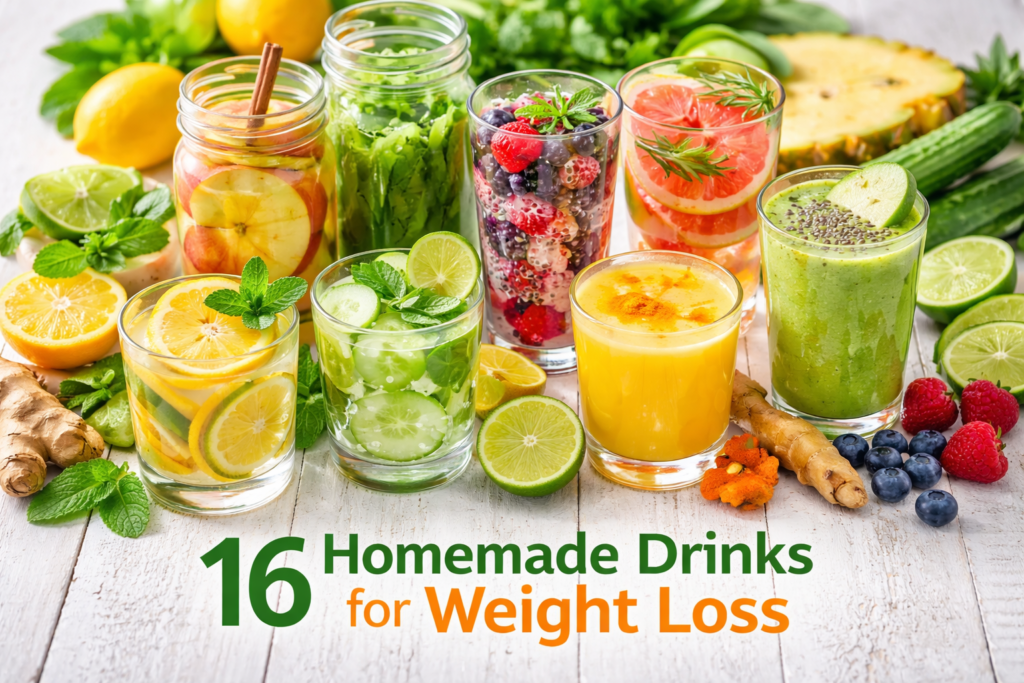
- What to Drink on a Weight Loss Diet
- How Much Should You Exercise Alongside This Diet Plan
- Common Mistakes Beginners Make and How to Avoid Them
- Frequently Asked Questions
- Final Word: The Only Diet That Works Is One You Can Keep
Why Most Women Struggle With Weight Loss in the Beginning
The problem is rarely willpower. Most beginner diet plans treat women’s bodies like smaller versions of men’s — and that is where they fall apart immediately.
Women’s hormones, particularly estrogen and progesterone, shift throughout the month and directly affect hunger levels, fat storage, and how the body responds to a calorie deficit. What works for a man on day one of a diet may leave a woman exhausted, craving everything in sight, and feeling like she has already failed.
A diet plan built for female beginners needs to account for blood sugar stability, adequate iron and calcium intake, hormone-friendly foods, and a calorie range that supports metabolism without crashing it. That is exactly what this guide does.
The One Thing That Makes or Breaks Any Diet: Calorie Deficit
Before any meal plan matters, you need to understand one principle. Weight loss happens when you consistently eat fewer calories than your body burns. This is called a calorie deficit.
For most women, a daily deficit of 300 to 500 calories produces steady, sustainable fat loss without the energy crashes, muscle loss, or hormonal disruption that comes from cutting too aggressively. Eating too little — below 1,200 calories daily for most women — often slows the metabolism and increases stress hormones, which makes fat loss harder, not easier.
A healthy starting range for most beginner women aiming to lose weight is 1,400 to 1,600 calories per day, adjusted based on height, starting weight, and activity level. Always speak with a registered dietitian or your GP before making significant changes to how you eat, especially if you have any underlying health conditions.
What a Beginner Diet Plan for Women Should Always Include
Every effective beginner diet plan for weight loss for female bodies shares the same foundation. The specific foods can change, but these building blocks must be present every single day.
Lean Protein at Every Meal
Protein is the most important macronutrient for women trying to lose weight. It keeps you full for longer, protects muscle tissue while you lose fat, and takes more energy for your body to digest — meaning it naturally boosts your calorie burn. Aim for 25 to 35 grams of protein at each main meal.
Good protein sources include chicken breast, eggs, Greek yoghurt, canned tuna, salmon, cottage cheese, lentils, chickpeas, and tofu. These options are affordable, easy to prepare, and work across dozens of meal combinations.
Fibre-Rich Carbohydrates — Not Zero Carbs
Carbohydrates are not your enemy. Highly processed, refined carbohydrates such as white bread, biscuits, and sugary cereals cause blood sugar spikes and rapid hunger. Whole, fibre-rich carbohydrates such as oats, sweet potato, brown rice, quinoa, and legumes do the opposite — they slow digestion, keep blood sugar stable, and feed the good bacteria in your gut that support weight management.
Healthy Fats for Hormone Support
Women who cut fat too aggressively often experience hormonal disruption — irregular cycles, fatigue, and persistent cravings. Healthy fats from avocado, olive oil, nuts, seeds, and oily fish are essential for producing the hormones that regulate hunger and reproductive health. Include one or two servings of healthy fats at every main meal.
Vegetables at Every Opportunity
Non-starchy vegetables — leafy greens, broccoli, courgette, cucumber, tomatoes, capsicum, cauliflower — are the most powerful tool in any weight loss plan. They are extremely low in calories, high in fibre, rich in micronutrients, and genuinely filling when eaten in adequate amounts. Half your plate at every main meal should be vegetables.
Adequate Hydration
Thirst is frequently mistaken for hunger. Drinking enough water — roughly 2 to 2.5 litres daily, more if you exercise — reduces unnecessary snacking, supports metabolism, and helps the body flush waste products generated during fat loss. Start each morning with a large glass of water before anything else.
The Complete 7-Day Beginner Diet Plan for Weight Loss for Female
This plan runs at approximately 1,400 to 1,550 calories per day and is designed to be simple, filling, and realistic for someone starting from scratch. Every day includes breakfast, a mid-morning snack, lunch, an afternoon snack, and dinner.
Day 1 — Monday: Build Your Foundation
Breakfast — Two scrambled eggs with a large handful of spinach cooked in a teaspoon of olive oil, served with one slice of wholegrain toast. One cup of black coffee or herbal tea.
Mid-Morning Snack — One medium apple with one tablespoon of almond butter.
Lunch — Large salad bowl with mixed greens, half a tin of chickpeas, sliced cucumber, cherry tomatoes, half an avocado, and a drizzle of olive oil and lemon juice. One slice of wholegrain bread on the side.
Afternoon Snack — One small pot of plain Greek yoghurt (150g) with a handful of blueberries.
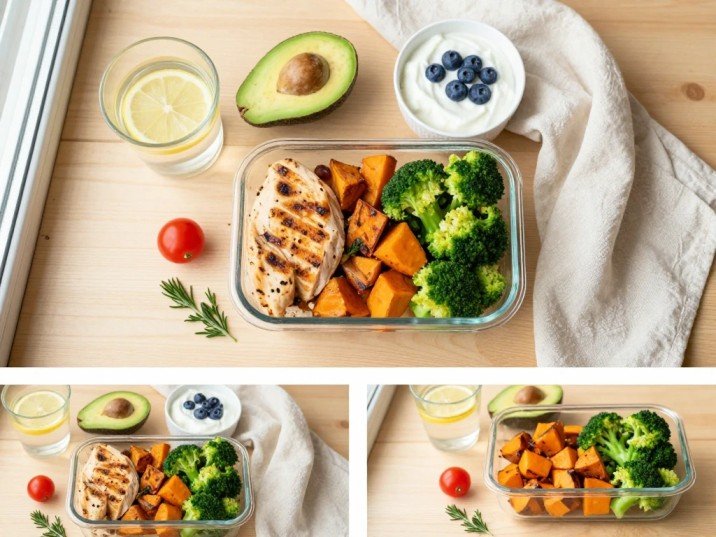
Dinner — One grilled chicken breast (150g), one cup of roasted sweet potato cubes, and two cups of steamed broccoli. Season with garlic, paprika, and olive oil.
Day 2 — Tuesday: Prioritise Protein
Breakfast — Overnight oats made with half a cup of rolled oats, one cup of unsweetened almond milk, one tablespoon of chia seeds, and topped with sliced banana and a teaspoon of honey.
Mid-Morning Snack — A small handful of mixed nuts (about 20 grams).
Lunch — One medium wholegrain wrap filled with canned tuna (drained), mixed salad leaves, sliced red onion, cucumber, and a teaspoon of low-fat mayo.
Afternoon Snack — Two rice cakes with two tablespoons of low-fat cottage cheese.
Dinner — Baked salmon fillet (150g) served with half a cup of cooked quinoa and a large portion of roasted vegetables including courgette, red pepper, and red onion.
Day 3 — Wednesday: Gut Health Day
Breakfast — Smoothie made with one cup of frozen mixed berries, one scoop of plain protein powder or 150g Greek yoghurt, one tablespoon of ground flaxseed, and one cup of unsweetened oat milk. Blend until smooth.
Mid-Morning Snack — One medium orange and five walnut halves.
Lunch — Homemade lentil soup — one cup of cooked red lentils, diced onion, garlic, tomato, and vegetable stock, seasoned with cumin and turmeric. Served with one slice of rye bread.
Afternoon Snack — Eight cherry tomatoes and two tablespoons of hummus.
Dinner — Stir-fried tofu (150g firm tofu, pressed and cubed) with broccoli, snap peas, and bell pepper in a light soy sauce and ginger dressing, served over half a cup of brown rice.
Day 4 — Thursday: Midweek Reset
Breakfast — Two poached eggs served on one slice of wholegrain toast with a quarter avocado mashed on top. Side of sliced tomato.
Mid-Morning Snack — One small banana and one teaspoon of peanut butter.
Lunch — Grilled chicken and brown rice bowl — 120g cooked chicken breast, half a cup of brown rice, a large handful of roasted broccoli and cauliflower, and a drizzle of low-sodium soy sauce.
Afternoon Snack — One small pot of plain Greek yoghurt with a tablespoon of pumpkin seeds.
Dinner — Turkey mince (150g) cooked with canned tomatoes, garlic, onion, and Italian herbs, served over two cups of courgetti (spiralised courgette) or wholegrain pasta.
Day 5 — Friday: Keep Momentum
Breakfast — Porridge made with half a cup of oats, one cup of water or low-fat milk, topped with half a sliced pear, one tablespoon of chia seeds, and a sprinkle of cinnamon.
Mid-Morning Snack — A small handful of edamame beans (fresh or frozen, steamed).
Lunch — Nicoise-style salad with mixed leaves, two boiled eggs, a small can of tuna, green beans, cherry tomatoes, and a mustard vinaigrette dressing.
Afternoon Snack — One medium apple with one tablespoon of almond butter.
Dinner — Baked cod fillet (150g) seasoned with lemon, garlic, and herbs, served with a large portion of roasted root vegetables and a small green salad.
Day 6 — Saturday: Flexible Day
Breakfast — Two-egg omelette with diced red pepper, mushrooms, and a sprinkle of low-fat feta cheese. One slice of wholegrain toast.
Mid-Morning Snack — A small pot of plain Greek yoghurt with a drizzle of honey and a tablespoon of mixed seeds.
Lunch — Homemade bean and vegetable soup — cannellini beans, diced carrot, celery, onion, garlic, and vegetable stock. One slice of wholegrain bread.
Afternoon Snack — A small handful of raw almonds and one small orange.
Dinner — Grilled lean beef or lamb fillet (120g), served with a large portion of roasted sweet potato, steamed green beans, and a simple cucumber and tomato salad dressed with lemon juice.
Day 7 — Sunday: Rest and Refuel
Breakfast — Two wholegrain pancakes made with oat flour and egg, topped with a large portion of mixed berries and a tablespoon of natural Greek yoghurt.
Mid-Morning Snack — One medium banana.
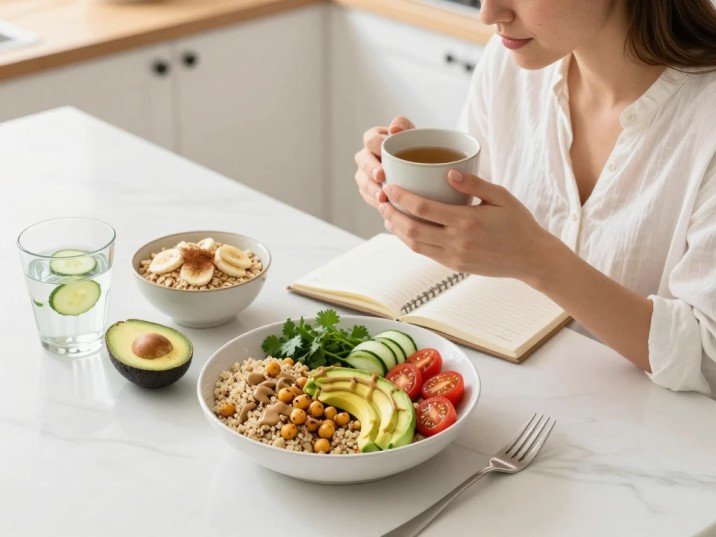
Lunch — Large grain bowl — half a cup of cooked farro or quinoa, roasted chickpeas, sliced avocado, cucumber, roasted red pepper, and a tahini lemon dressing.
Afternoon Snack — Two oat crackers with low-fat cottage cheese and sliced cucumber.
Dinner — Slow-roasted chicken thigh (skin removed, 150g) with roasted Mediterranean vegetables — courgette, aubergine, tomato, and red onion — and a small portion of couscous or brown rice.
Foods to Eat More of and Foods to Cut Back On
Rather than banning entire food groups, the most effective beginner diet plans work by making gradual, smart substitutions. Here is a simple reference table.
Eat More Of:
Eggs, chicken breast, turkey, canned fish, salmon, Greek yoghurt, cottage cheese, lentils, chickpeas, black beans, oats, sweet potato, brown rice, quinoa, broccoli, spinach, kale, courgette, cucumber, tomatoes, berries, apples, avocado, olive oil, nuts, seeds, and plenty of water.
Eat Less Of:
Sugary breakfast cereals, white bread and pasta, biscuits, cakes, crisps, fried takeaway food, full-sugar soft drinks, fruit juice, heavily processed meat such as bacon and sausages in large quantities, flavoured yoghurts with added sugar, and alcohol.
The Unique Factor Most Diet Guides Ignore: Your Menstrual Cycle and Food Cravings
Most beginner diet guides give you a flat plan for every day of the month. But a woman’s body does not work in a flat line. Your hormone levels shift meaningfully across a typical 28-day cycle, and those shifts directly affect your hunger, your energy, and your ability to stick to a plan.
During the follicular phase (roughly days one to fourteen), oestrogen rises and most women feel naturally more energetic, less hungry, and more motivated. This is the ideal time to establish new habits, try new recipes, and push a little harder with movement.
During the luteal phase (roughly days fifteen to twenty-eight), progesterone rises, metabolism speeds up slightly, and cravings — particularly for sweet, salty, and carbohydrate-heavy foods — often intensify. Rather than fighting these cravings with restriction, lean into slightly higher calorie days during this phase. Adding one extra portion of complex carbohydrates, such as a medium sweet potato or a larger bowl of oats, can stabilise blood sugar and reduce the likelihood of bingeing. This blood sugar connection becomes even more critical for women living with hormonal conditions — if you have been diagnosed with polycystic ovary syndrome, our guide on the best diet plan for PCOS weight loss walks you through exactly how to adjust your carbohydrate timing and food choices to work with your insulin response rather than against it.
This cycle-aware approach is one of the most underutilised tools in female weight loss, and it is completely absent from the majority of generic diet plans available online.
How to Manage Cravings Without Blowing Your Progress
Cravings are not a character flaw. They are physiological signals, and understanding what is driving them makes them far easier to manage.
Sweet cravings most commonly signal a drop in blood sugar — usually caused by going too long between meals or eating a previous meal that was too low in protein and fibre. Fix it by eating regular meals spaced three to four hours apart, and always include protein and fibre together.
Salt and savoury cravings are often linked to stress, dehydration, or mineral deficiencies, particularly magnesium. Drinking more water and including magnesium-rich foods such as dark leafy greens, nuts, seeds, and dark chocolate in small amounts can reduce the frequency and intensity of salt cravings.
Chocolate and carbohydrate cravings before a period are strongly linked to the progesterone surge of the luteal phase. Rather than resisting entirely, choose satisfying alternatives — a small piece of quality dark chocolate (70 percent cacao or higher), a banana with peanut butter, or a warm bowl of oats with cinnamon.

Meal Prep Tips for Beginners Who Do Not Have Hours to Spend in the Kitchen
The single most common reason women abandon their diet plan in week two is that cooking every day feels overwhelming on top of everything else in life. Meal prep is the answer, but it does not have to consume your entire Sunday.
Choose one protein to cook in bulk each week. A tray of baked chicken thighs, a batch of hard-boiled eggs, or a pot of cooked lentils covers three to four lunches or dinners without repeating the same meal every day.
Cook grains in large batches. Brown rice, quinoa, and farro all keep well in the refrigerator for up to five days. Having a base ready removes the biggest barrier to putting together a quick meal on a busy evening.
Pre-chop vegetables at the start of the week. Washed and chopped broccoli, peppers, cucumber, and carrots stored in containers make salads and stir-fries genuinely fast to prepare when you come home tired.
What to Drink on a Weight Loss Diet
Hydration is consistently overlooked in beginner diet advice, and it makes a real difference to how hungry you feel, how clearly you think, and how well your body processes food.
Water should be your primary drink. Aim for at least two litres daily and increase this on any day you exercise.
Black coffee, without sugar or flavoured syrups, is appropriate in moderate amounts and may slightly boost metabolic rate. Limit yourself to two to three cups daily and avoid caffeine after 2pm to protect sleep quality.
Herbal teas such as peppermint, ginger, chamomile, and green tea are excellent choices throughout the day. Green tea contains antioxidants that support metabolism and have been studied for their role in weight management.
Avoid fruit juice, even 100 percent juice varieties. The natural sugars are concentrated and absorbed rapidly without the fibre that would come from eating whole fruit. A glass of orange juice contains almost as much sugar as a small can of fizzy drink.
How Much Should You Exercise Alongside This Diet Plan
Diet contributes roughly 70 to 80 percent of weight loss results. Exercise contributes the remainder, but its real value goes beyond calorie burning — it preserves muscle mass, improves insulin sensitivity, reduces stress hormones, and dramatically improves how you feel every single day.
For absolute beginners, aim for 20 to 30 minutes of brisk walking daily. This is genuinely enough to begin creating a meaningful calorie deficit when paired with the diet above, without putting your joints, hormones, or energy levels under excessive stress.
As your fitness improves over weeks two and three, consider adding two sessions of light resistance training per week. Building even a small amount of muscle increases your resting metabolic rate, which means your body burns more calories even when you are not exercising.
Common Mistakes Beginners Make and How to Avoid Them
Skipping breakfast. Women who skip breakfast tend to eat more overall across the day, experience more intense afternoon cravings, and make poorer food choices by dinnertime. A protein-rich breakfast is one of the most reliable habits you can build.
Eating too little. Dropping below 1,200 calories daily often triggers the body’s survival response — slowing metabolism and increasing hunger hormones. Eat enough to feel satisfied while staying in a modest deficit.
Treating weekends as off days. Two days of unrestricted eating can undo an entire week of careful choices for many beginners. It is far more effective to follow the 90 percent rule — eating to plan roughly nine meals out of ten — while allowing genuine flexibility for social occasions.
Drinking their calories. Lattes, smoothies, fruit juices, and flavoured waters can silently add 300 to 500 extra calories to a day. Switch to water, black coffee, or herbal teas for almost all of your daily fluid intake.
Comparing your progress to someone else’s. Women lose weight at different rates depending on hormonal health, sleep quality, stress levels, gut health, and genetics. Focus on your own consistency rather than the scale’s reaction week to week.
Final Word: The Only Diet That Works Is One You Can Keep
The best beginner diet plan for weight loss for female bodies is not the most restrictive one or the most complex one. It is the one you can actually follow — not just for seven days, but for seven weeks, seven months, and beyond.
Build the habits in this guide one at a time. Start with protein at breakfast. Then add more vegetables to lunch. Then address your evening snacking. Stack these small changes and your body will respond.
Weight loss for women is not a sprint. It is a series of consistent, sustainable decisions made again and again. This plan gives you the foundation to make those decisions with confidence.
Frequently Asked Questions
How many calories should a beginner woman eat to lose weight? Most women see steady weight loss at 1,400 to 1,600 calories per day, which creates a moderate deficit without crashing metabolism. Your exact needs depend on your height, current weight, and how active you are. Speak with a dietitian for a personalised number.
Is it safe to follow a diet plan without seeing a doctor first? For healthy adults with no underlying medical conditions, a balanced diet like the one in this guide is generally safe. However, if you have diabetes, thyroid conditions, a history of disordered eating, or any other health concerns, always consult your GP or a registered dietitian before making significant dietary changes.
How quickly can a woman expect to lose weight on this plan? A realistic and medically appropriate rate of weight loss is 0.5 to 1 kilogram per week. This pace preserves muscle, keeps hormones stable, and is far more likely to produce lasting results than rapid weight loss approaches.
Do I need to count calories every day? Not necessarily. Many women find that building meals around the framework in this guide — protein, vegetables, fibre-rich carbs, and healthy fats — naturally keeps them within an appropriate calorie range without needing to log every gram. If progress stalls after two to three weeks, tracking for a short period can help identify where adjustments are needed.
What if I have a day where I eat off-plan? One off-plan meal does not undo your progress. Return to your normal eating pattern at the very next meal. The habit of returning quickly rather than waiting until “Monday” is one of the most important skills you can build as a beginner.
Can I follow this plan if I am vegetarian or do not eat fish? Absolutely. Substitute fish with tofu, tempeh, eggs, legumes, or a good-quality plant protein supplement. The overall structure of the plan — plenty of vegetables, whole grains, healthy fats, and adequate protein — works equally well with entirely plant-based protein sources.
Will I feel hungry on this plan? You may feel slightly less full than usual in the first three to five days as your body adjusts from higher-calorie eating patterns. This typically resolves once blood sugar stabilises and your body adapts to the new intake. If hunger feels genuinely intense, increase your vegetable portions at meals — they add volume and fibre without significantly increasing calories.